Top, Professional and Reliable Manufacturer of Concrete Machinery – YG Machinery
IPhone/WeChat/WhatsApp: +86 13837159132
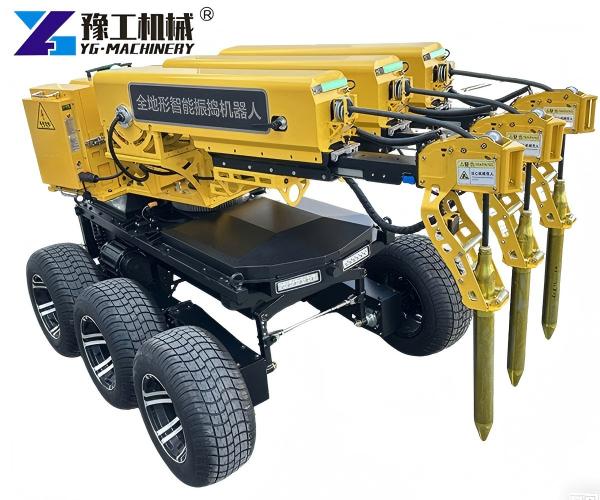
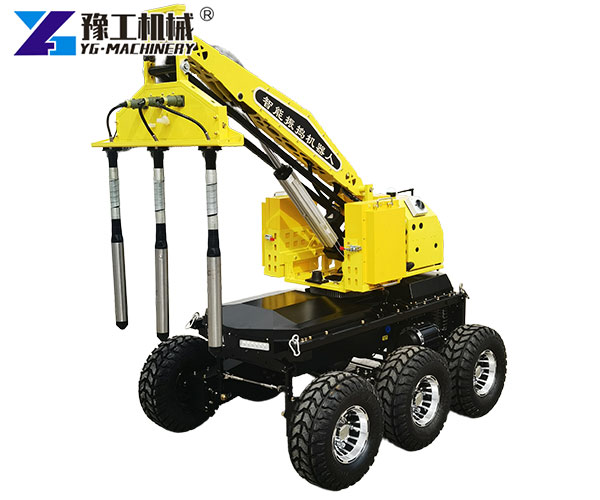
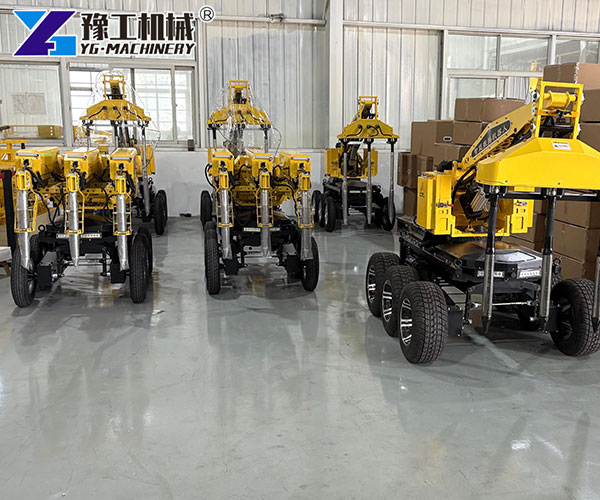
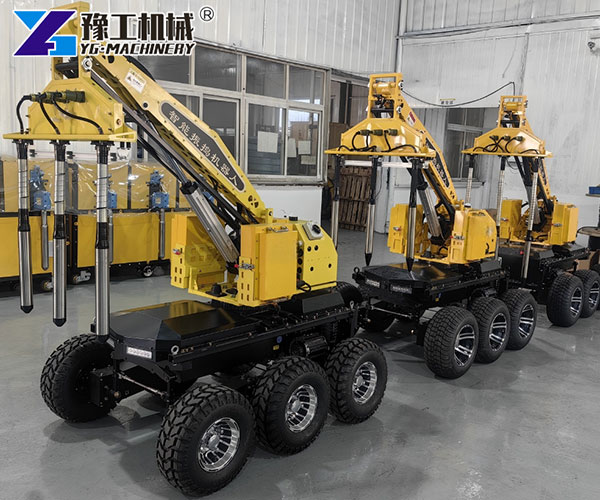
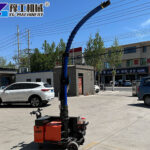
All-Terrain Concrete Vibration Robot
Automated all-terrain concrete vibration robot
Smart concrete slab vibration robot
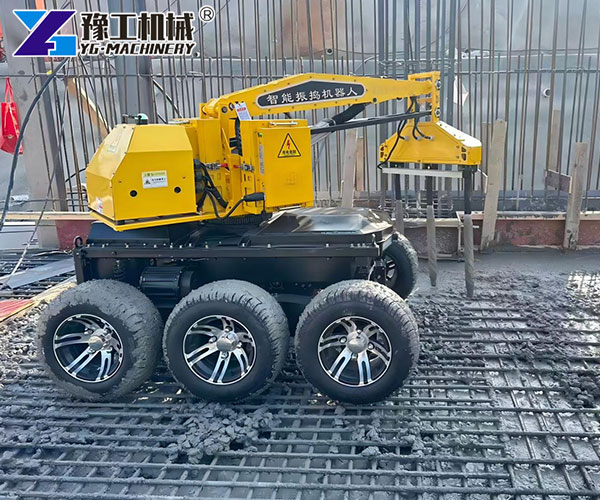
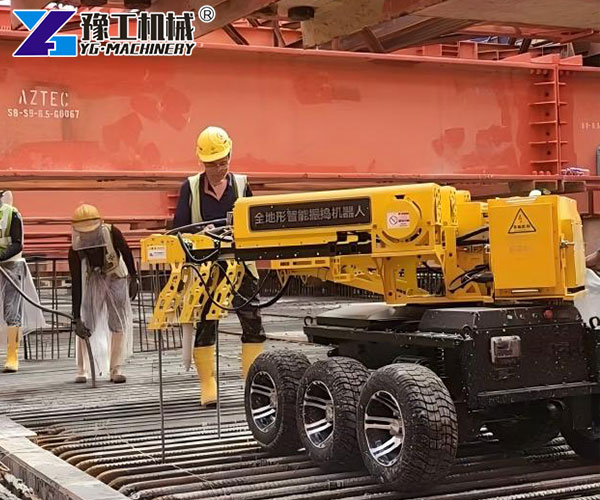
Concrete slab vibration work can be hard to control, and manual tools often give uneven results. The All-Terrain Concrete Vibration Robot brings a new way to compact large concrete floors with better density and less labor demand. It helps contractors finish wide slab areas faster with stable results, even on uneven surfaces.
WhatsApp/WeChat/Phone: 86 138 3715 9132
What Is an All-Terrain Concrete Vibration Robot?
The All-Terrain Concrete Vibration Robot is a smart compaction machine made for shallow and wide concrete slabs such as floor slabs, raft foundations, and flat plates. It works in two modes:
Manual point vibration
Fully automated spacing vibration
These modes help raise concrete density consistency, lower labor intensity, and improve compaction quality across long slab sections.
Core Components Of A Concrete Vibration Robot
The machine includes many systems that make slab vibration easier to control:
A walking system that moves smoothly over uneven slab surfaces
A lifting and 360° rotation system for vibration rods
A 360° vision system and HMI screen for real-time control
A smart frequency vibration system for even slab density
A remote monitoring app to set spacing, time, and depth
A lithium battery power system with up to 10 hours of runtime
These systems help contractors work with steady quality and fewer mistakes, making the concrete vibration robot a reliable tool for larger construction tasks.
The automated concrete vibration robot follows a simple six-step vibration cycle that repeats across wide slab areas:
The vibration rod rotates into position
The vibration rod lowers to the chosen depth
High-frequency vibration starts
Vibration rod lifts
Rotation resets
Chassis advances to the next point
This loop gives repeatable performance and reduces human variation. It keeps each slab section compacted the same way, helping finished concrete stay strong over time.
Robotic Concrete Vibrator Power And Runtime Features
The robotic concrete vibrator uses an 8.5kW CATL lithium battery pack to power movement, rotation, and lifting.
Up to 10 hours of runtime, around 6 hours to full charge
Three 50-type vibration rods work as one vibration unit
Each rod has a 3.5kW battery pack with around 10 hours of power