Top, Professional and Reliable Manufacturer of Concrete Machinery – YG Machinery
IPhone/WeChat/WhatsApp: +86 13837159132
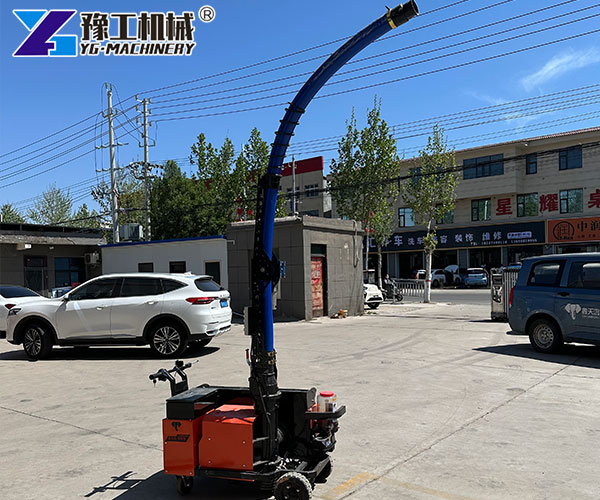
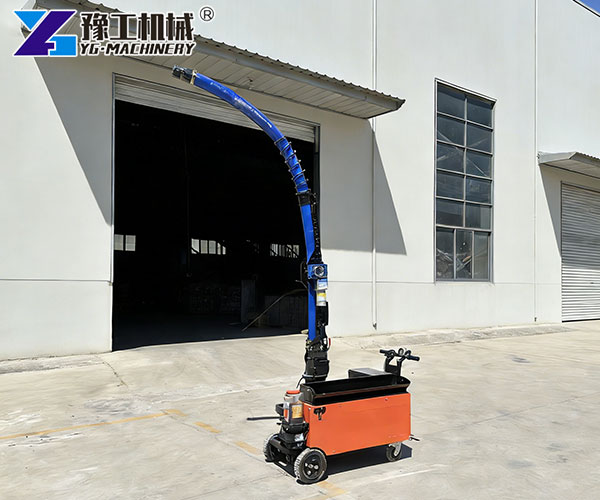
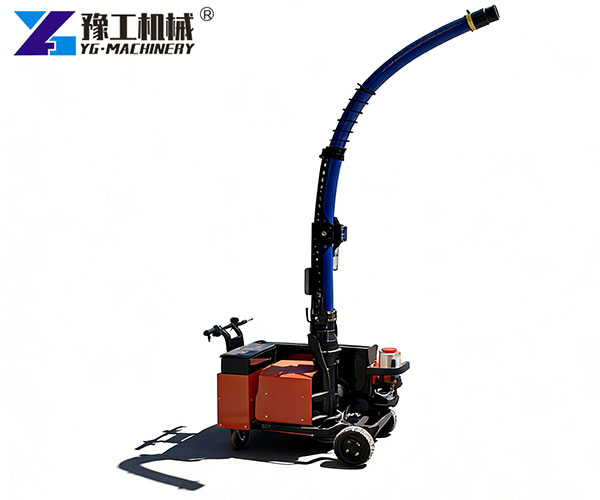
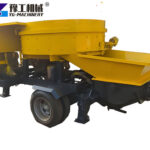
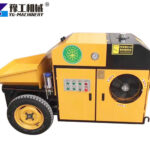
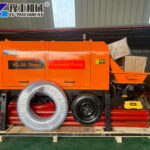
Cantilever Secondary Structure Concrete Pump
Cantilever column pouring concrete pump
Secondary structure concrete pump machine
What Is A Cantilever Secondary Structure Concrete Pump?
The Cantilever Secondary Structure Concrete Pump is designed for column and beam pouring during secondary construction stages. It delivers ready concrete to narrow indoor spaces where normal pumps cannot reach. The cantilever design lifts and positions the pipe closer to column openings, making vertical pouring easy and controlled.
In high-rise buildings, many columns must be poured on upper floors with small openings and limited space. The cantilever arm helps contractors place concrete directly into these points without dragging long hoses by hand. Compared with traditional methods such as buckets, manual labor, or tower cranes, a cantilever column pouring pump reduces work intensity and speeds up project time. It also lowers the risk of spills, uneven pouring, and wasted concrete when working at heights.
WhatsApp/WeChat/Phone: 86 138 3715 9132
Key Working Principles Of The Cantilever Structure Pump
The Cantilever Secondary Structure Concrete Pump works by sending concrete through a pressurized pumping cylinder and then lifting it to the target height with the help of a cantilever arm. Pressure is controlled by a hydraulic system that keeps flow stable even during long vertical pumping. This reduces blocking and helps concrete fill narrow column forms smoothly.
Concrete feeding and pressurization push material into vertical pipes
The hydraulic drive adjusts the flow and pressure for different heights
Automatic pressure balance keeps output steady in high-rise delivery
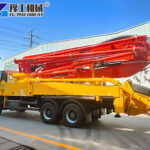
The telescopic cantilever arm rotates to reach narrow spots and column edges
When the arm extends or rotates, operators can place the pipe close to the opening, reducing rebound and improving surface bonding after formwork removal.
Core Components And Functional Systems Of The Cantilever Arm Pump
The reliability of a building’s secondary structure pump depends on each system working together. The main parts support long-running hours and precise concrete placement.
High-pressure pumping cylinder & wear-resistant S-valve for smooth flow and reduced clogging
Cantilever rotating arm with extension pipe to position the pipe exactly at column openings
Remote-control module to protect workers in narrow or high-risk areas
Lubrication, filtration, and cooling systems that reduce downtime and extend pump lifespan
These systems make concrete placement more accurate and give operators better control when columns and beams are located inside complex building layouts.
When choosing a Cantilever Secondary Structure Concrete Pump, contractors often compare technical values that affect real productivity and pumping stability. The following factors help match the right model to project needs:
Max theoretical output: e.g., 20–40 m³/h for secondary structure projects
Max vertical pumping height: enough to reach upper floors without extra extensions
Engine power options: diesel for mobility, electric for indoor work with low noise
Rotation angle & cantilever reach: to cover multiple columns in one setup
These values help ensure the pump performs well in tall buildings and tight corners while keeping maintenance easy.
Advantages Of Using A Cantilever Secondary Structure Concrete Pump
Choosing a Cantilever Secondary Structure Concrete Pump brings practical benefits to contractors and building owners. It improves quality and reduces labor cost during column and beam work.
Main user-focused advantages:
High precision when pouring beams, columns, and floor edges
Flexible pumping in narrow floors, corridors, stairs, and scaffold areas
Less manual handling of hoses improves pouring speed
Safer operation due to remote control and stable working platform
Lower rebound after removing the formwork increases bonding strength
Strong replacement for manual pipe dragging in high-rise structures
These improvements help contractors finish secondary structure tasks faster while controlling labor cost and material waste.
The cantilever column pouring pump supports many building environments where traditional pumps cannot enter. Its compact body and adjustable arm make it useful in confined indoor spaces.
Common applications include:
Residential and commercial high-rise buildings
Structural column reinforcement and floor beam casting
Narrow indoor construction areas and small rooms
Precast structure installation and onsite column pouring
Urban renovation work and building elevation projects
In all these scenes, the pump helps workers reach pouring points without moving heavy hoses or using multiple machines.
How To Choose The Right Model For Your Project
To select the best Cantilever Secondary Structure Concrete Pump, match its ability to your job site needs. Performance values and mobility features affect productivity and final surface quality.
Select the pumping height and output based on building size
Choose a cantilever arm length that fits the indoor clearance and room layout
Pick diesel for outdoor mobility or electric for indoor sites
Check pipe wear resistance and valve service life
Ensure strong after-sales support and spare parts supply
This ensures the pump works smoothly throughout the full construction cycle, from early floors to project handover.