Top, Professional and Reliable Manufacturer of Concrete Machinery – YG Machinery
IPhone/WeChat/WhatsApp: +86 13837159132
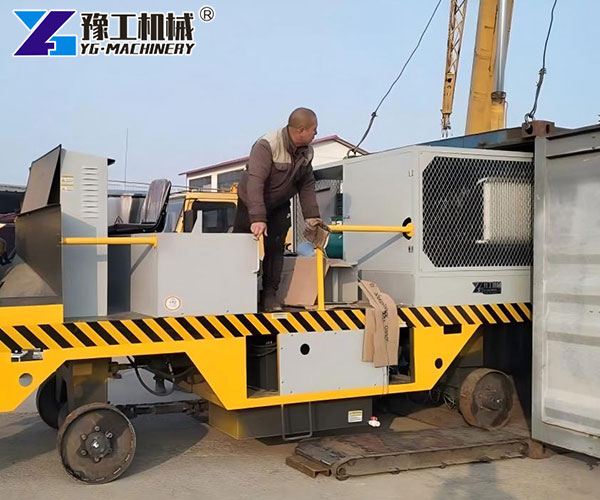
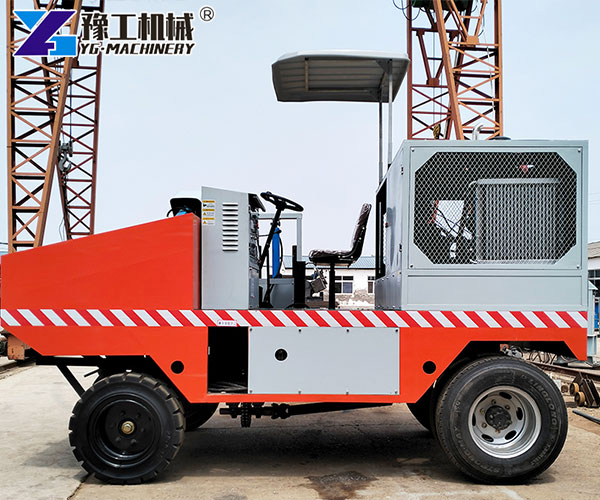
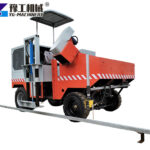
Concrete Slip Form Paver
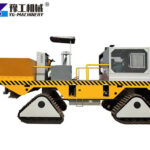
Slipform curb machine
Concrete slipform paver machine
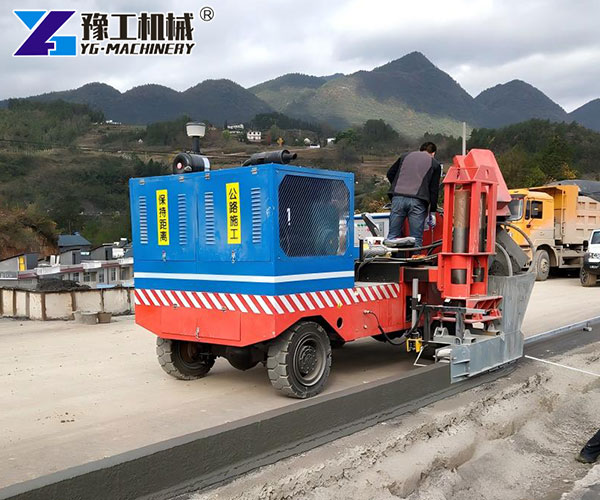
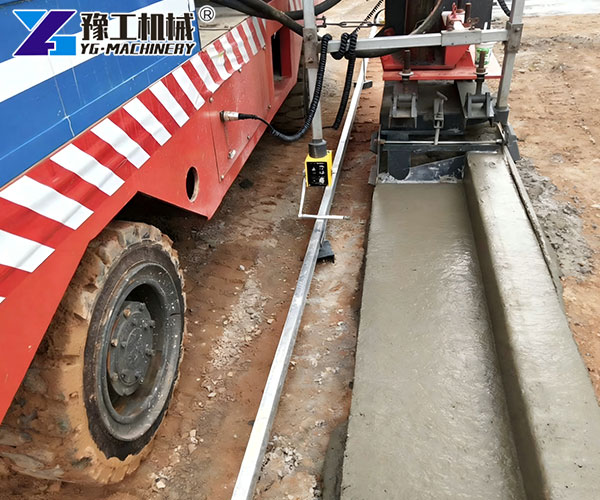
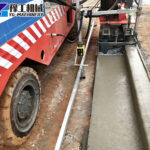
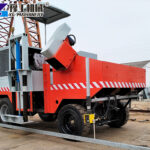
A Concrete Slip Form Paver is a construction machine that shapes fresh concrete while moving forward. It forms curbs, gutters, barriers, and edges without fixed side forms. The machine pours, vibrates, molds, and smooths concrete in one pass.
This method is faster than traditional formwork paving. Traditional work needs workers to build molds, wait for curing, and then remove the forms. Slipform paving skips these steps. The result is faster progress and lower labor costs.
Main uses include:
Roadside curbs
Drainage channels
Concrete barriers
Pavement edges
Because the machine moves continuously, it keeps shape accuracy and surface consistency.
A slipform paving machine works through coordinated mechanical and hydraulic systems. Each system supports stable movement and accurate forming.
Core Systems
Walking system for steady travel
Vibration system for compact concrete
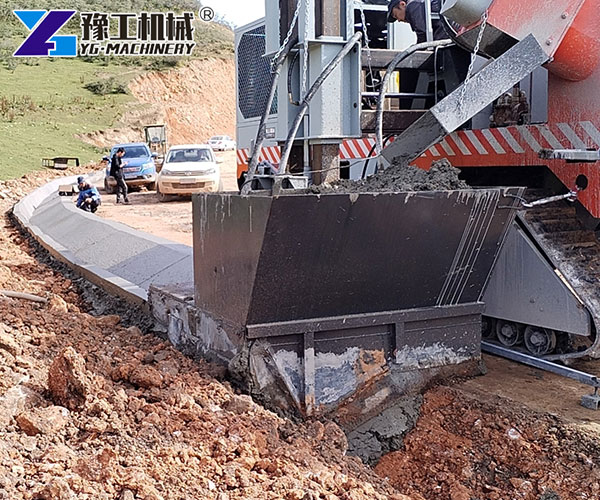
Mold system for shaping
Control system for direction and level
Step-By-Step Process
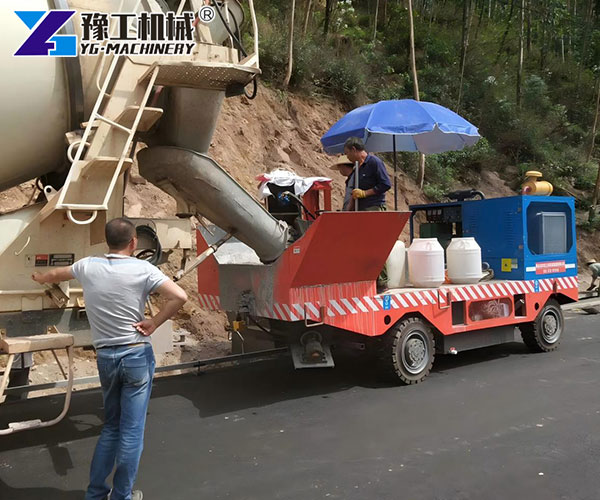
Concrete enters the hopper
Auger spreads material evenly
Vibrators remove air pockets
Mold shapes structure
The machine advances forward
Sensors monitor height and alignment. If the ground changes, the system adjusts automatically. This keeps the finished structure straight. In long projects, this continuous method saves many hours compared with stop-start construction.
A concrete curb slipform paver is designed for efficiency and quality. Contractors use it when they need fast output and clean edges.
Key benefits:
Continuous forming without stopping
High forming speed
Smooth surface finish
Fewer workers needed
Low material waste
Compared with manual curb forming:
Labor cost is much lower
Speed is much faster
Measurement errors are reduced
Repair work is minimized
Because the mold shapes concrete instantly, the finished curb stays uniform along the whole length.
Road Slipform Paver Technical Parameters
A road slipform paver can be configured for different construction sizes. Choosing the right parameters is important for performance.
Model
YG-20
YG-30
Type
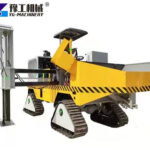
Portable wheel type
Crawler portable
Steering system
Automatic steering system
Automatic steering system
Engine
65kw, AC380V four-cylinder turbo diesel engine
65kw
Rated speed
1500rpm
Curb size
Height≤600mm,width≤2000mm
Height≤1100mm,width≤2000mm
Forming method
high-frequency vibrator. Attached vibration motor
Minimum turning radius
6800mm
6800mm
Paving speed
1—7m/min adjustable
1—10m/min
Hopper volume
1m³
1m³
Machine size
5000*2400*2800mm
5200*2400*2800mm
Weight
6000kg
7000kg
Different projects need different setups. A highway project may need a wide mold. A drainage channel may need a narrow mold. Matching the configuration to the project prevents power waste and improves efficiency.
Slipform Curb Machine Application Scenarios
A slipform curb machine performs best on projects that require long, continuous concrete sections. It is widely used in infrastructure work.
Typical Applications
Highway construction
City road edging
Irrigation channels
Airport pavement edges
Ground Conditions
Flat ground
Slight slopes
Long straight routes
In these environments, the machine can run for long periods without stopping. This improves productivity and keeps the structure shape consistent.
Routine maintenance keeps the machine reliable and reduces repair costs. Daily inspection takes only minutes but prevents major problems.
Daily Checks
Hydraulic system condition
Vibrator operation
Track lubrication
Electrical connections
Factors Affecting Lifespan
Operator skill
Concrete quality
Maintenance schedule
If maintenance is regular, the machine can work for many years with stable performance.
Slipform Paver Manufacturer: YG Machinery
Choosing a professional slipform paver manufacturer is as important as choosing the machine model. Reliable suppliers provide not only equipment but also support.
A strong manufacturer should offer:
Production experience
Real project cases
Technical support team
Spare parts stock
Custom design service
YG Machinery supplies different paving models for global contractors. Their equipment is built with strong frames, precise control systems, and durable components. With stable parts supply and fast service response, users can keep projects running without long delays.
Product Frequently Asked Questions
1. What Concrete Mix Works Best? Medium slump concrete with stable consistency works best for shaping.
2. Can The Mold Be Changed For Different Shapes? Yes. Replaceable molds allow one machine to produce different profiles.
3. How Many Workers Are Needed? Usually, three to five workers can operate and supply material.
4. Does It Require Skilled Operators? Basic training is enough. Controls are simple and clear.
5. How Long Can It Run Continuously? As long as fuel and concrete are supplied, it can run for many hours.
6. What Affects Forming Accuracy Most? Stable ground, steady speed, and correct vibration settings.