Top, Professional and Reliable Manufacturer of Concrete Machinery – YG Machinery
IPhone/WeChat/WhatsApp: +86 13837159132
Crawler Concrete Pump
crawler concrete pump
tracked concrete pump
Construction projects today face increasing challenges, such as limited site access, uneven ground, and strict safety requirements. To meet these demands, contractors need equipment that combines mobility, stability, and reliable pumping performance. The Crawler Concrete Pump is designed to work efficiently in difficult environments where traditional concrete pumps cannot operate smoothly.
This type of concrete pumping equipment focuses on real job-site needs, including safe operation, flexible movement, and continuous concrete delivery. It is especially valued in projects that require both precise placement and strong terrain adaptability.
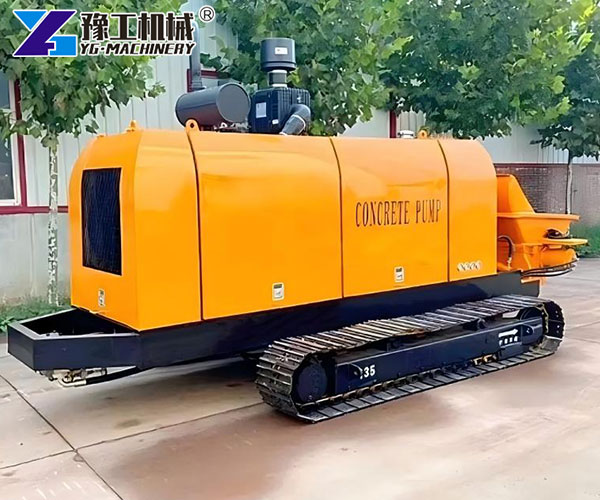
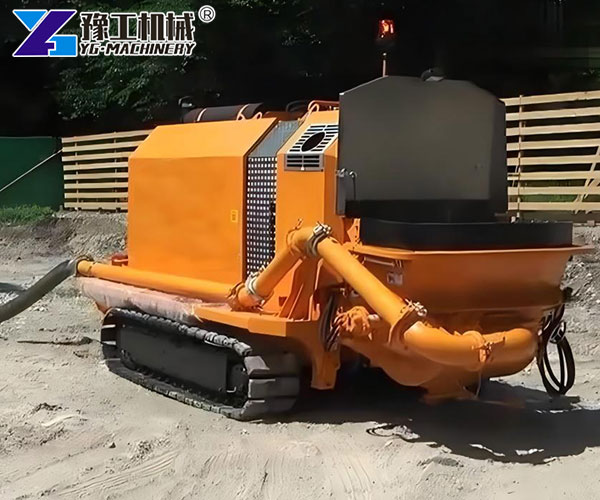
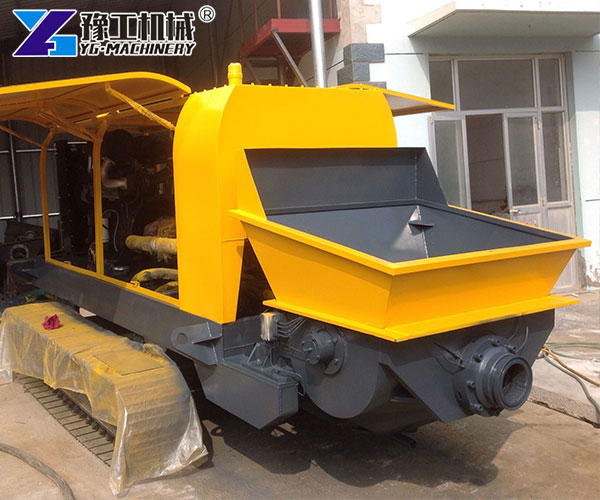
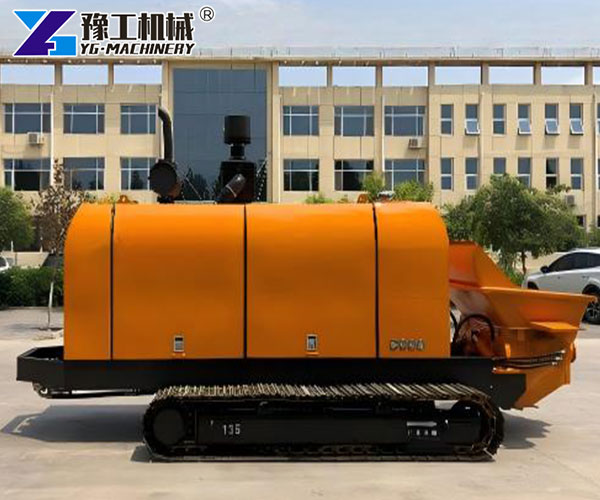
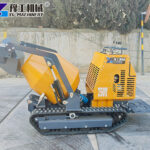
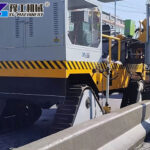
A Crawler Concrete Pump is a concrete pumping machine installed on a crawler chassis instead of wheels. This design allows the machine to move steadily across rough, soft, or uneven ground while maintaining stable pumping performance.
Basic Definition
Unlike standard concrete pumps, this machine uses steel tracks to distribute weight evenly. This helps reduce ground pressure and improve traction during operation.
Core Differences From Traditional Concrete Pumps
Compared with wheeled or trailer-mounted pumps, a crawler-mounted design offers:
Better grip on muddy or sloped ground
Lower risk of slipping or sinking
On-site movement without extra towing equipment
Suitable Construction Environments
A crawler concrete pump is suitable for:
Mountain and hillside construction
Narrow or temporary job sites
Areas without paved roads
These features make it a practical solution for complex construction conditions.
A crawler concrete pump is designed to deliver reliable concrete pumping performance in environments where conventional wheeled pumps struggle to operate.
All-terrain Mobility
The crawler chassis enables stable movement and operation on uneven, muddy, sloped, or soft ground. Compared with traditional wheeled concrete pumps, crawler concrete pumps perform significantly better in mountainous areas, tunnel construction, and rural job sites. Equipped with high-torque drive motors and reinforced steel crawler tracks, the machine can climb slopes of up to 35° and achieve flexible 360° on-site turning, ensuring smooth positioning even in confined or rugged terrain.
Efficient Pumping Performance
Integrated high-pressure hydraulic systems, with working pressure up to 80 bar, combined with large-diameter delivery cylinders, allow pumping capacities ranging from 30 to 100 m³/h. The optimized S-valve pumping system ensures stable concrete flow, precise placement, and reduced material waste. It is suitable for various concrete mixes, including those containing aggregates up to 35 mm.
Safety and Intelligent Control
Modern crawler concrete pumps are equipped with wireless remote control systems, allowing operators to control pumping and movement from a safe distance. This significantly reduces risks in complex or hazardous construction environments. Real-time monitoring systems continuously track hydraulic pressure, oil temperature, and equipment status, providing early warnings to prevent unexpected downtime.
Durability for Heavy-Duty Operation
With robust steel structures, sealed hydraulic components, and efficient cooling systems, crawler concrete pumps are built for long-term, high-intensity use. They can support demanding tasks such as 24-hour continuous pumping in large foundation projects. Key components, including hydraulic pumps and valves, are sourced from well-known international brands to extend service life and ensure consistent performance.
Understanding how the Crawler Concrete Pump works helps buyers make better purchasing decisions.
Concrete Delivery Process
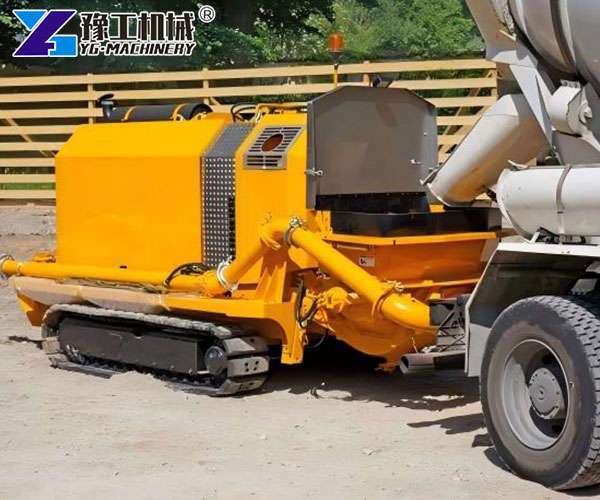
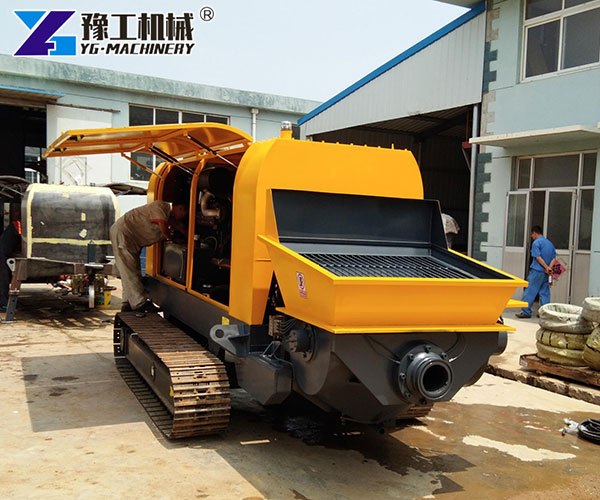
Concrete is fed into the hopper and pushed through delivery pipes by the pumping system. The process ensures smooth and controlled material flow.
Hydraulic And Pumping System Design
The hydraulic system powers both pumping and crawler movement. This design:
Provides stable pressure during pumping
Supports steady movement on-site
Reduces vibration during operation
Stability And Safety Features
Safety-focused designs include:
Balanced chassis structure
Controlled pumping speed
Reliable braking and movement control
These features help maintain safe and stable operation on demanding job sites.
Applications of Crawler Concrete Pump
Thanks to its mobility and pumping stability, the crawler concrete pump is widely used across multiple construction scenarios.
Tunnel and Underground Projects Its compact structure and strong passability make it ideal for subway stations, mine tunnels, underground garages, and other confined spaces. The pump enables accurate concrete pouring for tunnel linings, base slabs, and structural reinforcement.
Infrastructure Construction Crawler concrete pumps are commonly used for bridge piers, slope stabilization, secant pile walls, and jet grouting columns. They are also applied in complex geotechnical projects such as offshore wind farm foundations and seismic retrofitting works, where stable pumping on uneven ground is critical.
Rural and Residential Construction Small and medium crawler concrete pumps with boom lengths of 15–35 meters can easily access narrow rural roads and compact job sites. The “walk-and-pour” operation mode improves efficiency for house construction, village infrastructure upgrades, and local road renovation projects.
Precast Component Production In precast concrete factories, stable pumping pressure and precise discharge control meet the strict quality requirements for beams, columns, slabs, and other prefabricated components, helping optimize production workflows.
Why Choose A Crawler Concrete Pump Instead Of Other Pumps
Choosing the right concrete pump depends on project needs and working conditions.
Although a crawler concrete pump offers strong adaptability, it is not always the most cost-effective choice.
Projects Requiring Frequent Long-distance Relocation Crawler concrete pumps travel at relatively low speeds and usually require flatbed trucks for transportation between job sites. For urban projects that involve frequent movement across scattered locations, truck-mounted concrete pumps are more efficient.
Flat and Large-scale Urban Construction Sites On spacious sites with smooth, paved ground—such as high-rise residential or commercial developments—wheeled concrete pumps or pump trucks provide faster setup, easier relocation, and lower operating costs.
Low-demand or Short-term Small Projects For small renovation works or short-duration concrete pouring tasks with limited budgets, trailer concrete pumps may be more economical, as crawler concrete pumps involve higher initial investment.
How To Select The Right Crawler Concrete Pump
Key Technical Parameters
Buyers should review:
Pumping capacity
Maximum delivery distance
Engine power and hydraulic performance
Project Matching Logic
Choosing the right model depends on:
Site terrain conditions
Concrete pouring volume
Available working space
For small job sites, a small crawler concrete pump can provide enough capacity while remaining easy to operate.
After-Sales Service And Supplier Support
Reliable suppliers should offer:
Clear technical documentation
Spare parts availability
Timely maintenance support
Strong after-sales service is essential for long-term equipment reliability. Maintenance Tips to Extend Service Life
Proper maintenance ensures the long-term performance of a crawler concrete pump.
Daily Inspection: Check crawler track tension, hydraulic oil levels, and seal conditions before operation. Clean the hopper and delivery pipes after use to prevent concrete buildup.
Regular Lubrication: Lubricate key moving parts such as boom joints and crawler connections. Replace hydraulic oil and filters every 500 operating hours.
Seasonal Maintenance: Use antifreeze hydraulic oil in cold climates. In high-temperature environments, ensure the cooling system operates efficiently to prevent overheating.
FAQs About Crawler Concrete Pump
Q: How can stability be improved on soft ground? A: Using crawler mats increases ground contact area and distributes machine weight more evenly, reducing the risk of sinking. Adjusting the crawler width according to terrain conditions also improves stability.
Q: Can crawler concrete pumps be customized for specific projects? A: Yes. Manufacturers can customize boom length, pumping capacity, and power systems, including oil-electric dual-fuel configurations, to meet tunnel, bridge, or rural construction requirements.
Q: What is the main difference between a crawler concrete pump and a truck-mounted boom pump? A: Crawler concrete pumps are better suited for rough terrain and confined spaces, while truck-mounted boom pumps are more efficient for rapid relocation on urban roads. Crawler models typically offer shorter setup time once on site.