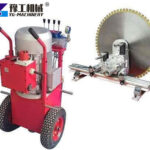
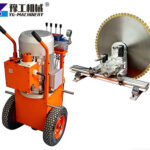
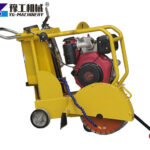
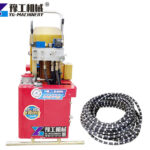
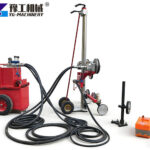
The High Frequency Wall Saw is a smart and powerful tool for safe and clean concrete cutting. It offers strong cutting strength, remote control operation, and flexible setup for demanding construction and renovation work. It is popular among contractors who need stable cutting performance in reinforced concrete while keeping workers safe and productive.
What is a high-frequency wall saw?
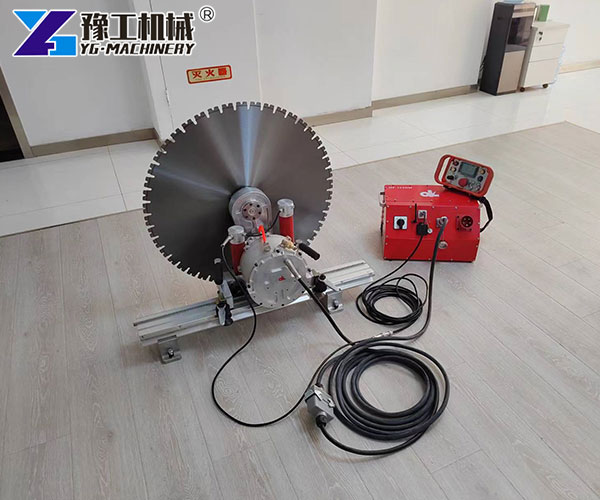
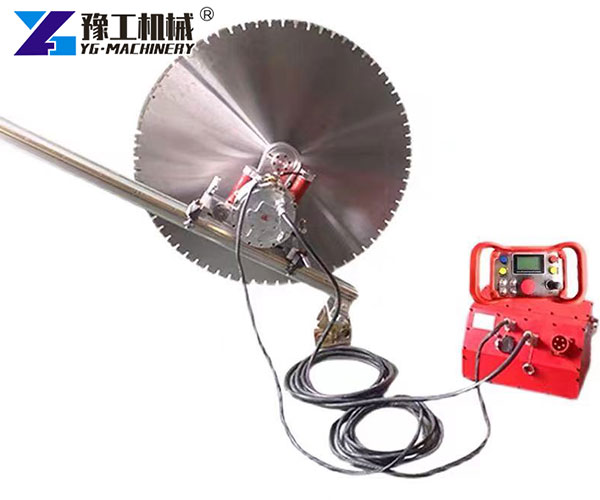
A High Frequency Wall Saw is a wall cutting equipment that uses a high-power electric motor connected to a control box and a remote controller. It sits between a hydraulic wall saw and a small electric wall saw, offering a balance of cutting depth, power, and portability.
It works by converting electrical power into high-frequency signals. These signals drive the blade with stable torque and high speed. This design gives a strong cutting force with less vibration and smoother blade movement.
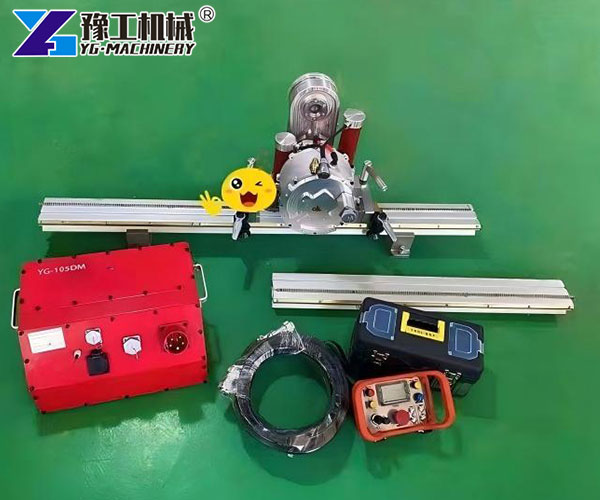
Main components:
- Electric motor
- Control box
- Remote controller
- Saw blade and guide rail
- Signal cable and power cable
Position in cutting tools:
- More power and cutting depth than a handheld electric wall saw
- Lighter and easier to move than hydraulic wall saw systems
- Better safety thanks to remote controller operation
WhatsApp/WeChat/Phone: 86 138 3715 9132
Main Features And Competitive Advantages
Why choose a High Frequency Wall Saw?
- Small size and low weight for fast movement on any floor
- Strong cutting power with reduced force on the operator
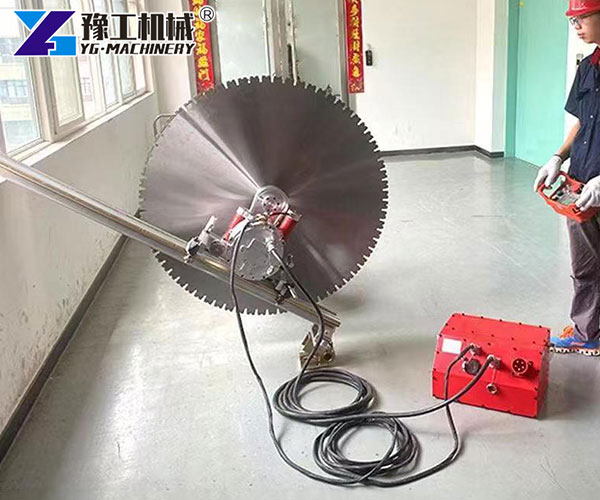
- The remote controller allows a safe distance during cutting
- Split design helps one worker finish the installation quickly
- Works on 380V / 220V, single-phase or three-phase sites
These features make the machine ideal for contractors who often cut reinforced concrete in buildings with limited space or limited time.

Technical Specifications of High Frequency Wall Saw
How a concrete wall cutting machine delivers stable and deep cutting.
| Saw Blade | |
| Max. cutting depth | 510mm |
| Max. saw blade | φ1200mm |
| Saw blade fixing(flush cuts) | 6 countersunk head screws,110mm graduated circle. |
| Electric motor(water cooling & high frequency) | |
| Max. Output Power | 16kw |
| IP Classification | IP 67 |
| Weight | |
| Wall Saw 105DM Incl. Feed Electric Motor | 27kg |
| Electric Main Motor 16kw | 18kg |
| Control Unit | |
| Voltage | 380-460V(single phase available) |
| Frequency | 50Hz/60Hz |
| Weight | 19kg |
| Wireless Control | 2kg |
Benefits of the design:
- Better balance while climbing walls
- Stable cutting motion for cleaner lines
- The operator stays away from dust and flying debris
Standard Setup — Wall Saw For Reinforced Concrete
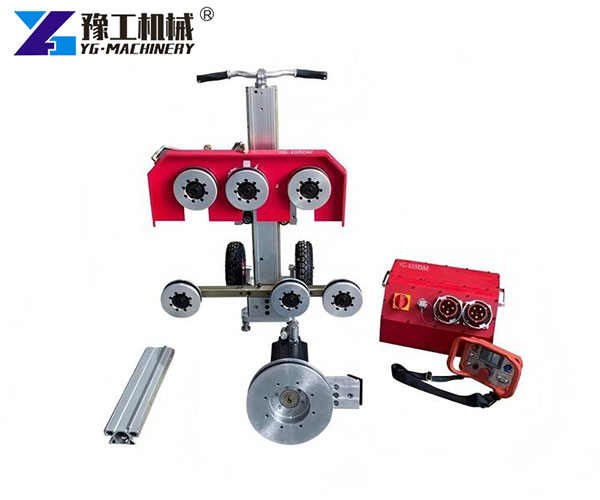
A wall saw for reinforced concrete includes everything needed to start cutting right away:
- Motor unit and mounting bracket
- Control box with cables
- Remote controller
- Guide rails, blades, and signal lines
Why a full kit helps:
- No need to buy extra parts before the first job
- Less time wasted waiting for missing components
- Faster setup means faster project delivery
Simply connect the guide rail, install the blade, and link the signal line; the machine is now ready to work.


Electric Wall Saw Blade Selection Guide
Choosing the right blade size for an electric wall saw helps you cut safely and efficiently.
Relationship between blade diameter and cutting depth:
- 800 mm blade → around 320 mm cutting depth
- 1200 mm blade → around 500 mm cutting depth
- 1600 mm blade → around 730 mm cutting depth
Example matches:
- Door or window opening → medium-sized blade
- Basement modification → larger blade for thicker walls
- Industrial reinforced concrete → diamond blades with strong segments
Tips for reinforced concrete:
- Check the rebar layout before cutting
- Reduce feed speed when passing steel bars
- Maintain water cooling to protect blade life
Core Benefits For Construction And Renovation
The High Frequency Wall Saw brings real advantages to building and remodeling work:
- Remote cutting keeps workers away from the blade and dust
- Fast installation reduces labor hours and project delays
- Strong power helps in small rooms or crowded spaces
- Low vibration gives cleaner cutting lines and less cracking
These benefits support higher job quality and safer workplaces.
Applications In Modern Concrete Cutting
Where the High Frequency Wall Saw is used most:
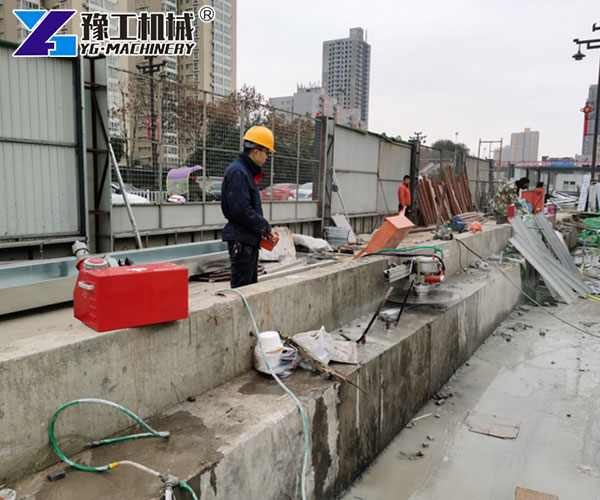
- Door and window openings in concrete walls
- Basement wall modification and space expansion
- Bridge and tunnel repair where access is tight
- Controlled demolition in limited spaces
- Elevator shaft enlargement in old buildings
These tasks need accurate cutting, low vibration, and strong depth—perfect matches for high-frequency systems.
How To Choose The Right High Frequency Wall Saw
Key points before buying:
- Cutting depth needs: match blade size with project needs
- Site voltage: check if the job site offers 220V or 380V
- Working area: small rooms need compact machines
- Material hardness: reinforced concrete needs stronger blades
- Power system choice: choose high-frequency systems instead of hydraulic when mobility and flexibility matter
Wall Saw Price Factors And Quote Guide
What changes the wall saw price:
- Blade diameter and cutting depth range
- Motor power and remote control functions
- Guide rail length and accessories
- Long-life diamond blades and extra segments
Cost considerations:
- Blade life affects long-term expenses
- Spare parts and shipping rules differ by country
- Export orders may include tax options and customs fees
To get a fast quote:
- Tell your cutting depth
- Share voltage requirements
- Mention working space limits
A clear request helps you receive accurate pricing quickly.
High Frequency Wall Saw FAQ
How long does installation take?
Usually 10–20 minutes with one or two workers.
Do I need water cooling?
Yes, water cooling protects blades and reduces dust.
How do I replace a blade?
Stop power, remove the cover, take off the old blade, and tighten the new one.
Can it cut reinforced concrete?
Yes, use diamond blades and lower speed when cutting steel bars.
Basic maintenance?
Clean cables, check bearings, and inspect cooling lines before each job.