Top, Professional and Reliable Manufacturer of Concrete Machinery – YG Machinery
IPhone/WeChat/WhatsApp: +86 13837159132
How Does A Concrete Pump Work?
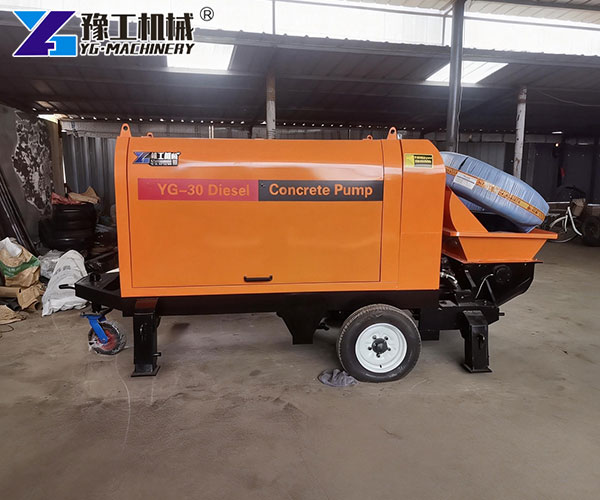
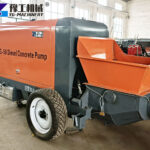
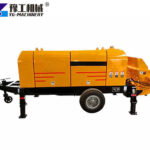
Concrete trailer pump
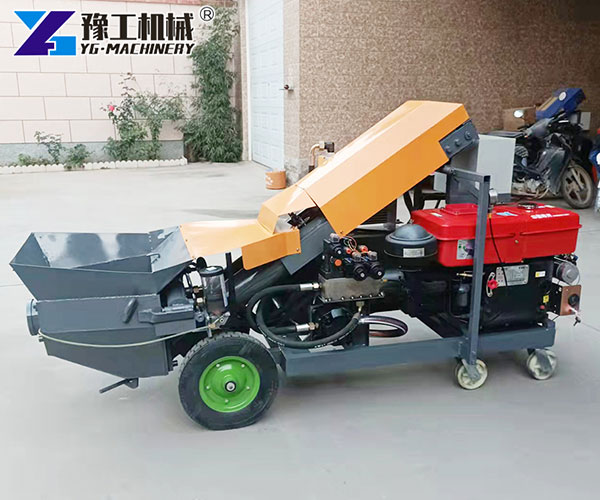
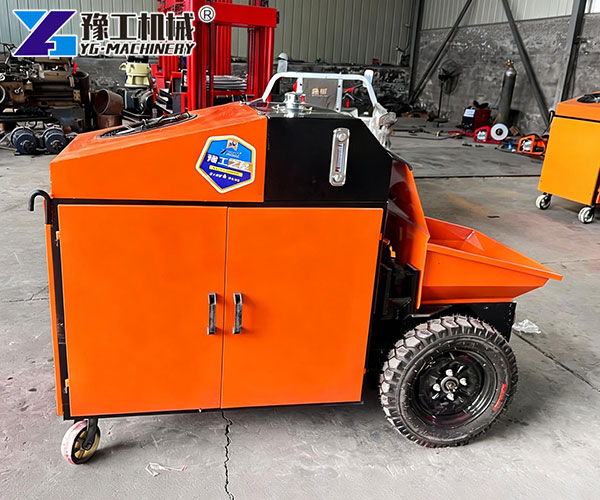
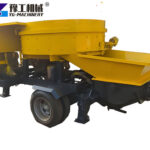
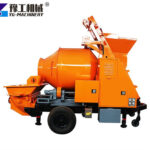
small concrete pump
Concrete is one of the most widely used building materials in modern construction, and the efficiency of placing concrete directly affects the speed and cost of every project. Instead of relying on slow manual labor or cranes and buckets, more contractors choose concrete pumps to transport fresh concrete quickly and safely to high, far, or narrow areas. But many users still ask a simple question: how does a concrete pump work?
A concrete pump is a machine used to transport fresh concrete from the mixer to the placement point through steel pipes or flexible hoses. Instead of lifting concrete manually or using wheelbarrows, the pump pushes concrete under high pressure, allowing the material to reach places that are difficult to access.
Concrete pumps are useful for:
High-rise building construction
Foundation pouring
Tunnel and bridge work
Residential housing construction
Road, slope, and tunnel maintenance
Confined area construction or places far from mixer trucks
Wherever concrete cannot be placed directly, a pump becomes an essential tool.
How Does A Concrete Pump Work?
A typical concrete pump works using hydraulic pressure. Concrete enters the hopper, passes through a valve system, and is pushed forward by two alternating cylinders that move back and forth like a piston pump. Here is the basic flow:
Concrete Mix Enters the Hopper The concrete truck pours freshly mixed concrete into the pump hopper. A mixing blade inside the hopper keeps the concrete moving, preventing it from hardening or separating.
Hydraulic Cylinders Create Pushing Power Inside the pump, there are two large cylinders. One cylinder pulls concrete in while the other pushes concrete out into the pipeline. As they move in opposite directions, a smooth pumping cycle is created.
Valve System Directs Concrete Flow A valve (usually an S-valve) switches positions between each cylinder stroke. This valve controls the direction of flow and ensures concrete continues to move forward under pressure.
Concrete Travels Through Pipelines Once pressurized, the concrete is transported through steel pipes or rubber hoses to the exact pouring location. The length can reach more than 100 meters horizontally and dozens of meters vertically, depending on power and pipeline layout.
Concrete Is Discharged at the Pouring Point Workers guide the hose to fill forms, foundations, floors, or columns. Because the pump provides a steady flow, the final surface becomes more level and consistent.
In short, a concrete pump turns hydraulic power into concrete delivery power, pushing concrete continuously with efficiency that no manual method can match.
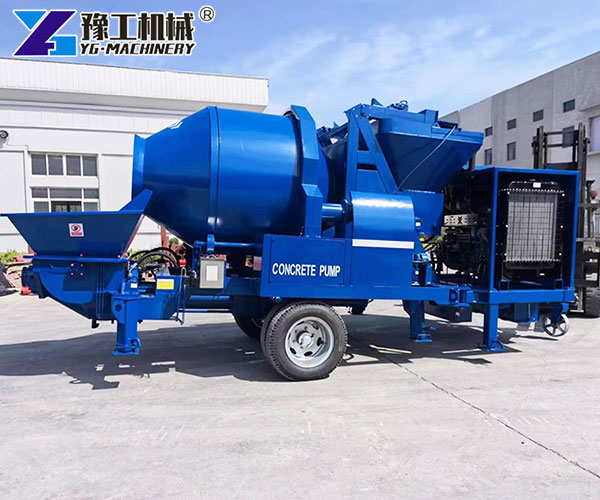
Our company mainly focuses on concrete conveying pumps, suitable for small, medium, and large-scale construction. We provide two practical types to match different project budgets and requirements.
Concrete pumps have become essential for modern construction due to clear benefits:
Higher efficiency than manual work
Accurate placement reduces rework
Less labor needed, lowering cost
Better safety, fewer lifting operations
Continuous output, faster project completion
Clean and organized concrete flow
These advantages help contractors complete more projects within the same time frame, improving reputation and business growth.
WhatsApp/WeChat/Phone: 86 138 3715 9132
How To Clean And Maintain A Concrete Pump
A concrete pump works best when cleaned after every job. Basic maintenance steps include:
Rinse the hopper and pipes before the concrete hardens
Check seals, wear parts, and cutting rings regularly
Add grease to the lubrication system
Inspect hydraulic oil and replace when needed
Store hoses properly to prevent cracks or bending damage
A well-maintained pump provides long service life and stable working performance, even in continuous daily use.
Who Should Consider A Concrete Pump?
A concrete pump is valuable for:
Contractors seeking faster production
Companies building houses in remote locations
Construction teams needing long-distance pumping
Small developers investing in the rental business
Municipal or engineering projects requiring steady output
If your project demands speed, accuracy, and reduced manpower, a pump is the most reasonable investment.
Concrete pumps have changed the construction industry by improving the speed and quality of concrete placement. Understanding how a concrete pump works allows new buyers to select models that match their projects. With diesel and electric options, mixing and pumping machines, our pumps support different budgets and working environments.
If you want guidance in selecting the right model, feel free to reach out. We are always ready to help customers find the most practical concrete pumping solution for real job-site needs.