Top, Professional and Reliable Manufacturer of Concrete Machinery – YG Machinery
IPhone/WeChat/WhatsApp: +86 13837159132
How To Choose the Right Concrete Pumps for Sale
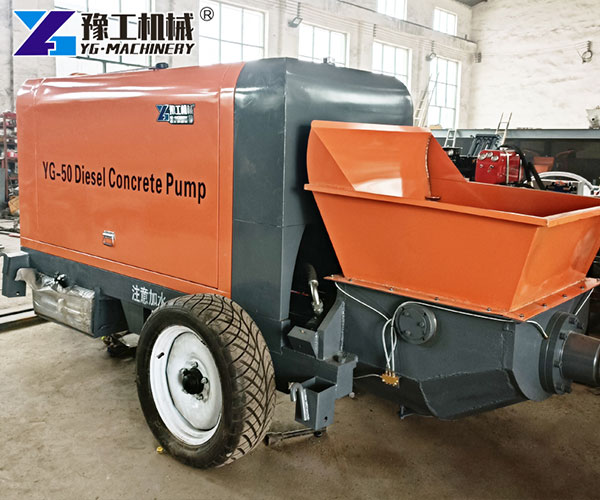
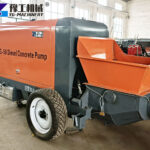
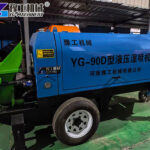
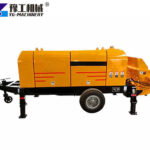
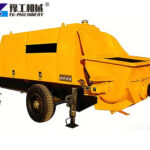
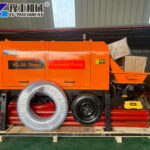
YG50 diesel concrete trailer pump
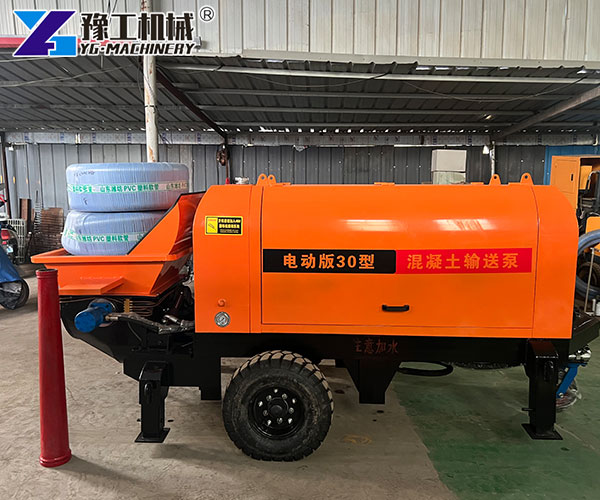
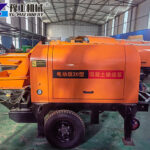
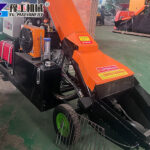
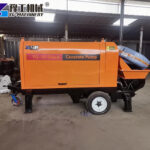
Electric concrete pump for tunnel engineering
When buyers search for Concrete Pumps for Sale, one of the most common questions is whether to choose a diesel concrete pump or an electric concrete pump. Both types are widely used in construction projects, but they are designed for very different job site conditions.
Choosing the right concrete pump is not only about pumping capacity or price. Power supply, site environment, mobility, and long-term operation cost all play an important role. This article explains the real differences between diesel and electric concrete pumps to help buyers make a practical decision.
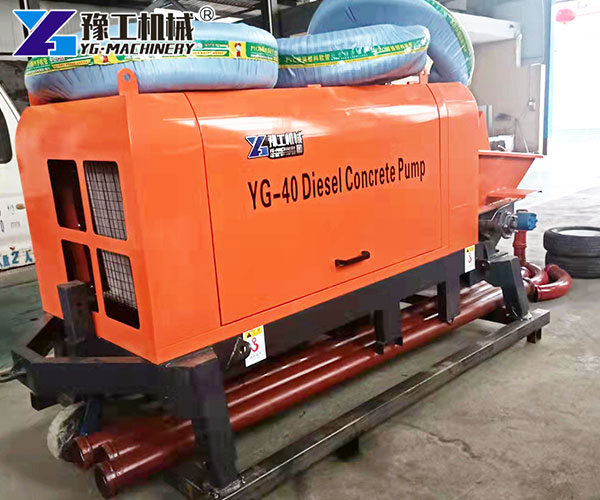
A diesel concrete pump runs on a diesel engine and does not need external electricity. This makes it suitable for:
Remote construction sites
Rural or off-grid areas
Temporary or changing job locations
As long as diesel fuel is available, the pump can work continuously. This is why diesel models are common in infrastructure and rural housing projects.
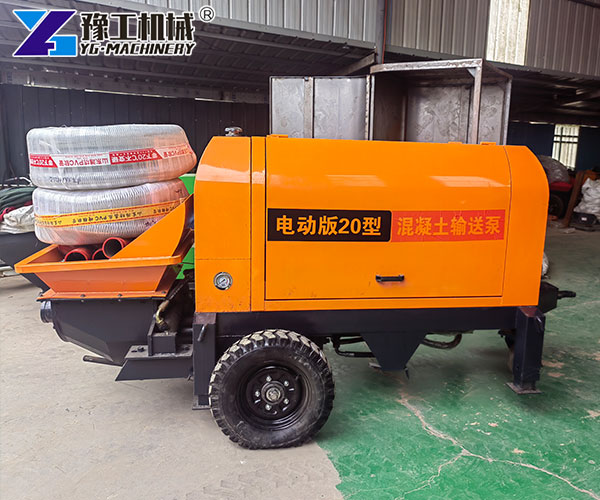
An electric concrete pump depends on a stable power source. It is commonly used in:
Urban construction sites
Industrial zones
Indoor or fixed working locations
If the power supply is unstable, work may stop or slow down.
Key point for buyers: When comparing Concrete Pumps for Sale, always check whether your job site has stable electricity.
WhatsApp/WeChat/Phone: 86 138 3715 9132
Mobility and Flexibility on Job Sites
Diesel Concrete Pump
Diesel concrete pumps offer strong flexibility.
Easy to move between different job sites
No need for long power cables
Fast setup for short-term projects
This makes diesel pumps a good choice for contractors who handle multiple projects at the same time.
Electric Concrete Pump
Electric concrete pumps are more suitable for fixed locations.
Limited by cable length
Less flexible for frequent relocation
Better for long-term projects in one place
Difference in use: Diesel pumps are mobile and flexible, while electric pumps focus on stability. However, both diesel and electric concrete pumps can be equipped with wheels and towing frames, allowing them to be used as concrete trailer pumps when job site relocation is required.
Fuel cost depends on local diesel prices, but diesel pumps can work long hours without power interruptions.
Electric Concrete Pump
Electric pumps usually have:
Lower energy cost
Lower daily running expenses
Less mechanical wear
However, buyers should also consider:
Electrical installation cost
Generator backup if power is unstable
When evaluating Concrete Pumps for Sale, buyers should look at total operating cost, not just purchase price.
Noise and Environmental Considerations
Diesel Concrete Pump
Diesel pumps usually produce:
Higher noise levels
Exhaust emissions
Because of this, some cities limit their use in residential or noise-sensitive areas.
Electric Concrete Pump
Electric pumps are known for:
Low noise operation
No exhaust gas during use
They are often preferred for:
Residential construction
Indoor projects
Night-time work
Environmental difference: Electric pumps are cleaner and quieter, making them more suitable for city projects.
Maintenance and Technical Support
Diesel Concrete Pump
Diesel pumps require routine maintenance, such as:
Engine inspection
Fuel system checks
Oil replacement
The advantage is that diesel engines are familiar to most local mechanics, making repairs easier in many regions.
Electric Concrete Pump
Electric pumps require attention to:
Electrical systems
Motors and control units
Professional technical support
When buying Concrete Pumps for Sale, choosing a reliable supplier with clear after-sales support is important for both types.
Typical Applications Compared
Project Type
Diesel Concrete Pump
Electric Concrete Pump
Remote areas
Suitable
Not suitable
Urban projects
Limited
Suitable
Mobile contractors
Suitable
Limited
Noise-sensitive sites
Not ideal
Suitable
Stable power available
Optional
Best choice
This table helps buyers quickly match pump type to project conditions.
How to Choose Concrete Pumps for Sale Based on Your Project
Choose a diesel concrete pump if:
Your job site has no stable electricity
You work in rural or remote areas
You need strong mobility between sites
Choose an electric concrete pump if:
Your project has a stable power supply
Noise and emissions are a concern
You work mainly in urban environments
There is no single best option for all users. The right choice depends on how and where the pump will be used.
Buyer Advice Before Making a Decision
Many buyers focus only on pumping capacity or price when searching for Concrete Pumps for Sale. In real construction work, site conditions often matter more.
Before contacting suppliers, ask yourself:
Does my site have stable electricity?
Will the pump be moved often?
Are noise and emissions restricted?
What is my long-term operating budget?
Clear answers to these questions will help reduce risk and improve work efficiency.
Practical Insight for Construction Buyers
Both diesel and electric concrete pumps have clear advantages and limits. Understanding these differences helps buyers avoid wrong purchases and unnecessary costs.
When choosing Concrete Pumps for Sale, the best decision is the one that matches real job site conditions, not the one with the most features on paper.