Top, Professional and Reliable Manufacturer of Concrete Machinery – YG Machinery
IPhone/WeChat/WhatsApp: +86 13837159132
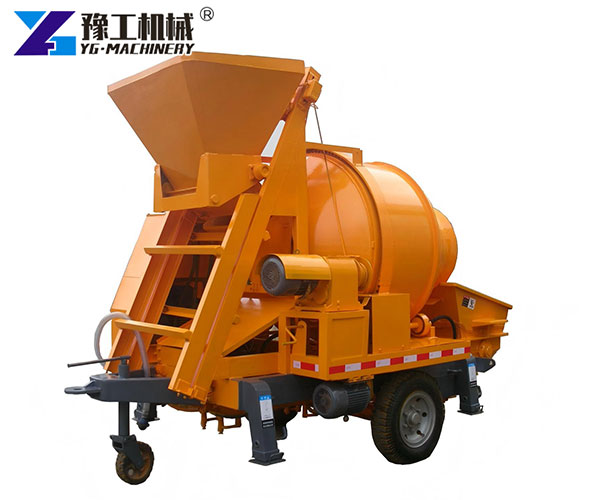
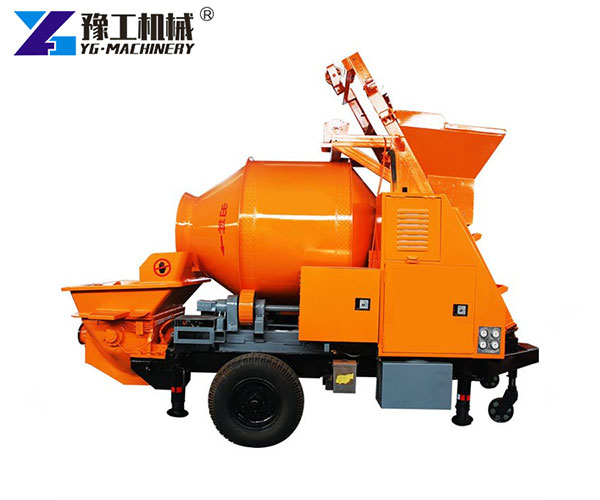
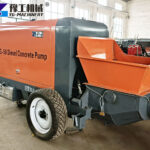
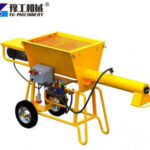
Mobile Concrete Mixer With Pump
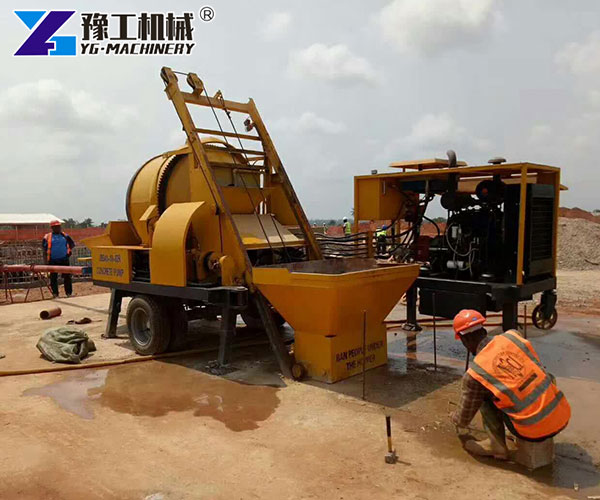
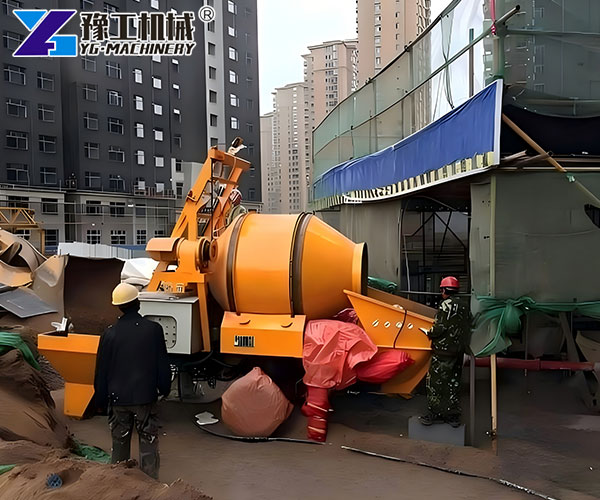
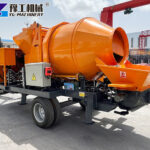
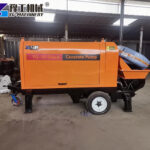
Mobile concrete mixer with pump on site
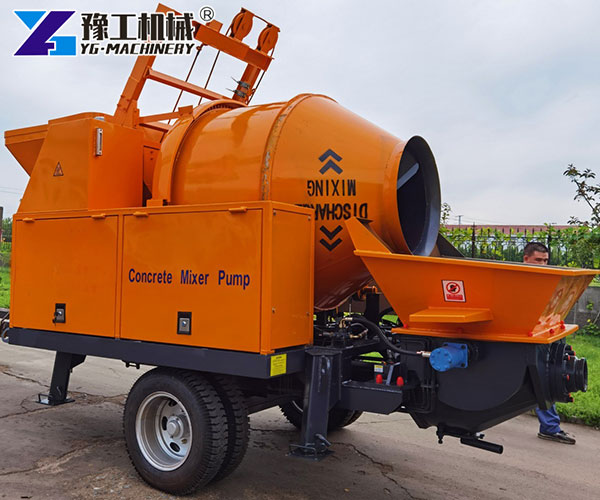
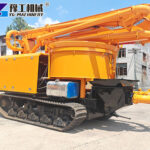
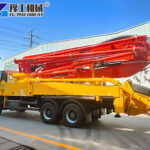
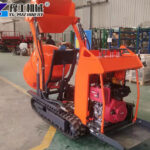
Concrete mixer pump machine for construction
On many construction sites, concrete supply is not always stable. Ready-mix trucks may arrive late, or the distance from the batching plant may be too long. This often leads to waiting time, wasted material, and higher labor costs.
For small and scattered projects, flexibility matters more than high output. Contractors need equipment that can move easily, work independently, and adapt to changing job conditions. This is where a Mobile Concrete Mixer With Pump becomes valuable.
By mixing and pumping concrete directly on site, this solution helps contractors:
Reduce dependence on external concrete supply
Control concrete freshness and timing
Lower coordination costs between workers and machines
On-site mixing and pumping is not about scale. It is about control and efficiency in real working conditions.
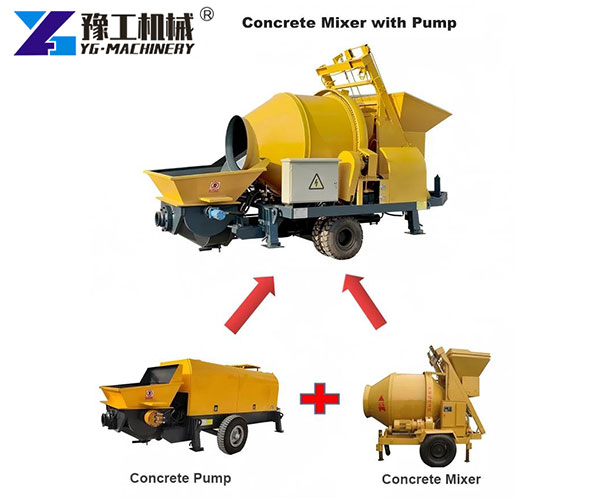
A Mobile Concrete Mixer With Pump is a compact machine that combines concrete mixing and pumping into one unit. It allows raw materials to be mixed on site and pumped directly to the pouring area without using separate machines.
Compared with the traditional setup of a standalone concrete mixer plus a concrete pump, this integrated design offers clear differences:
One machine instead of two
Less space needed on site
Faster setup and simpler operation
This type of equipment is especially suitable for small and medium projects. It helps contractors finish jobs with fewer workers and less logistical pressure, while still keeping good concrete quality.
The working process starts with on-site feeding. Cement, sand, aggregate, and water are loaded into the mixer according to the required ratio. The mixing system produces fresh concrete continuously.
Once mixed, the concrete flows directly into the pumping system. From there, it is delivered through pipelines to the target area. Mixing and pumping happen in one continuous process, without waiting or transferring material.
Several factors influence pumping performance:
Concrete mix consistency
Pump design and pressure
Pipeline length and vertical height
Because the process is continuous, the concrete stays fresh and workable during placement.
Mobile concrete mixer with pump structure
Key Working Systems Inside The Machine
A reliable concrete mixer pump machine depends on several core systems working together. These systems are designed to be simple, stable, and easy to maintain.
Mixing System
Ensures even mixing of materials
Stable rotation improves concrete consistency
Designed for common construction mixes
Pumping System
Uses a piston-based pumping structure
Provides steady concrete flow
Suitable for medium-distance pumping
Power System
Diesel or electric options are available
Diesel power is common for remote sites
Electric versions fit indoor or fixed locations
Control And Safety System
Simple control panel for operators
Emergency stop and overload protection
Reduces operator error and improves safety
Applications Of Mobile Concrete Mixer With Pump
This equipment is widely used across different construction scenarios. Its mobility and flexibility make it suitable for projects where fixed plants or large pumps are not practical.
Common applications include:
Residential construction and housing projects
Rural construction and basic infrastructure
Foundations, columns, slabs, and beams
Repair and renovation projects
In these scenarios, a mobile concrete pump mixer allows crews to work efficiently without waiting for an external supply or moving heavy equipment multiple times.