Top, Professional and Reliable Manufacturer of Concrete Machinery – YG Machinery
IPhone/WeChat/WhatsApp: +86 13837159132
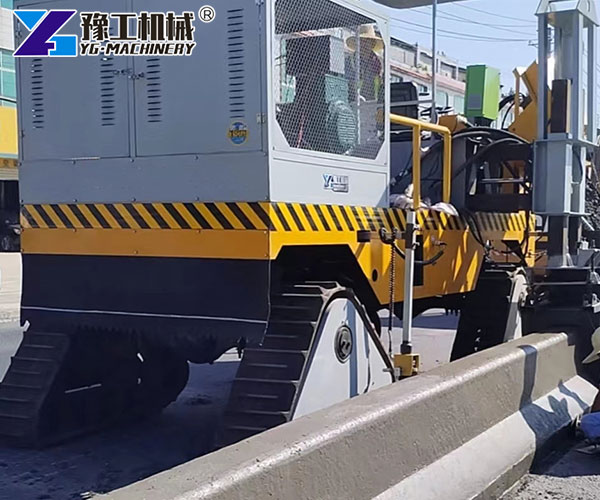
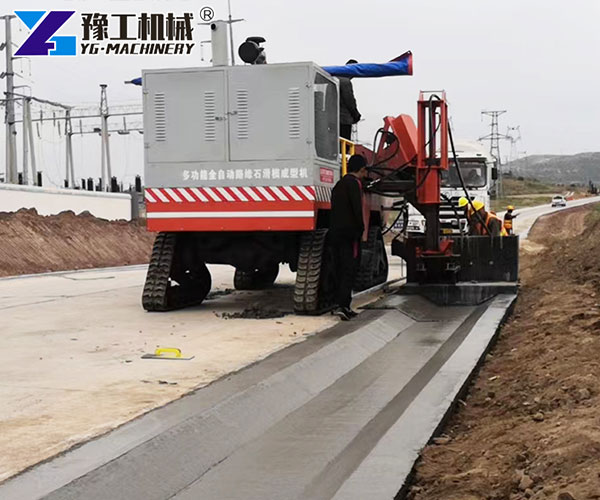
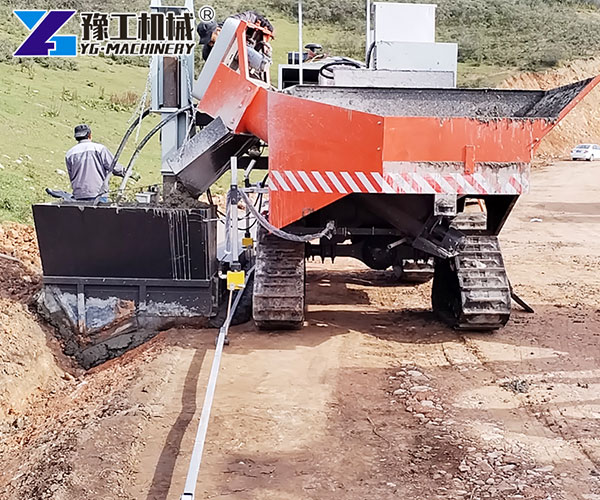
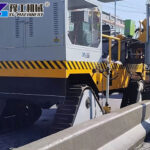
Slipform Kerb Machine for Sale to Brazil
Professional concrete barrier machine
Slipform gutter machine for urban streets
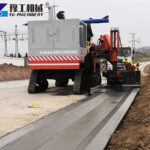
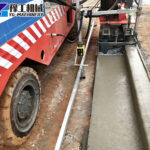
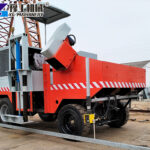
A Slipform Kerb Machine for Sale was recently exported by YG to a road construction contractor in Brazil, supporting a municipal road upgrade project in mountainous and plateau areas. This case is shared for buyers who are comparing different curb forming solutions and want to understand how a machine performs under real site conditions, not just flat test grounds.
The project was located in southern Brazil, mainly in inland plateau areas connected by mountain roads. The contractor was responsible for upgrading municipal roads that link residential zones, industrial parks, and logistics routes.
These roads shared several challenging conditions:
Mountain and plateau terrain exist in the same project area
Frequent changes in longitudinal slope
Many curves with a tight turning radius
Sections at higher altitude where engine power drops
Continuous kerb forming is required for drainage and traffic guidance
Unlike flat urban roads, these conditions place high demands on machine traction, steering accuracy, and slope safety. The kerbs had to be formed continuously with a stable width and a smooth surface, as uneven kerbs would affect drainage performance and later asphalt paving.
The Brazilian contractor was facing complex terrain, including steep slopes, frequent curves, and high-altitude sections where standard diesel equipment often loses power. Manual kerb construction was slow and inconsistent, while existing machines struggled with stability and curve accuracy. The goal was to achieve continuous kerb forming with stable speed, consistent width, and reduced safety risks on slopes.
WhatsApp/WeChat/Phone: 86 138 3715 9132
How The Brazilian Contractor Evaluated Different Options
Before choosing YG, the Brazilian contractor did not immediately settle on one supplier. Instead, they compared several common solutions available in the market. This comparison process played a key role in the final decision.
Options Initially Considered
Wheeled Curb Machines
Lower initial cost
Easy to transport
However, poor climbing ability
Stability issues on slopes and uneven ground
Standard Tracked Slipform Machines With Single Auto Steering
Better traction than wheeled machines
Limited curve accuracy
Kerb deviation increased on small-radius curves
High-End International Brands
Stable performance
Long delivery time
High purchase and maintenance cost
Slow local service response
Key Evaluation Criteria
During evaluation, the contractor focused on practical questions rather than brand names:
Can the machine control kerb deviation on mountain curves?
Is there any risk of sliding when working uphill or downhill?
Can the engine maintain power at a higher altitude while pushing a concrete truck?
Can one machine cover multiple kerb sizes to reduce mold cost?
This process shows that the contractor did not choose YG by default. The final decision was made only after technical matching proved suitable for the terrain and project goals. Ultimately, the customer selected the YG 30 Slipform Kerb Machine.
Why The YG-30 Slipform Kerb Machine Matched Brazil’s Terrain
Mountain & Plateau Traction Problem
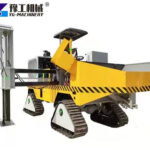
Crawler Slipform Kerb Machine
Mountain roads require a strong grip to avoid slipping and uneven movement.
Four-track crawler chassis
Each track width: 400 mm
Large ground contact area
This crawler slipform kerb machine design provided strong traction and stable movement, helping maintain smooth slipforming even on uneven and sloped ground.
Tight Radius Curves In Mountain Roads
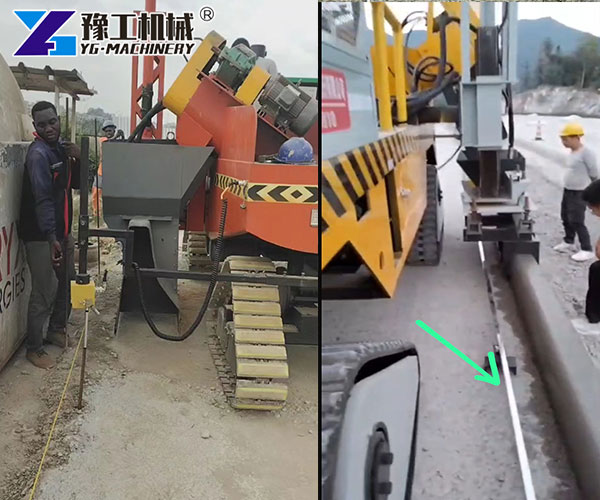
Slipform Curb Machine With Dual Auto Steering
Many curves had a small turning radius, where standard machines often show kerb width deviation.
YG patented a dual automatic steering system
Compared with single auto steering machines
Kerb position deviation reduced by over 95%
This slipform curb machine solution allowed the kerb width to stay consistent through curves, reducing later correction work.
Slope Safety & Quality Risk
Hydraulic Slipform Curb Machine With Anti-Slip System
Slope work is not only about quality but also about safety.
Anti-slip and self-locking system as standard
No need to press brakes on slopes
The machine keeps the preset walking speed automatically
This hydraulic slipform curb machine setup eliminated sliding risk and improved kerb consistency on both uphill and downhill sections.
Multiple Kerb Sizes In One Project
Kerb Slipform Machine With Adjustable Mold System
The project included different kerb sizes across sections.
Lateral mold movement frame
Three reinforced guide rails
1200 mm adjustment travel
This kerb slipform machine configuration allowed one machine to cover a wider kerb size range, reducing mold investment.
Delivery, Commissioning & On-Site Performance In Brazil
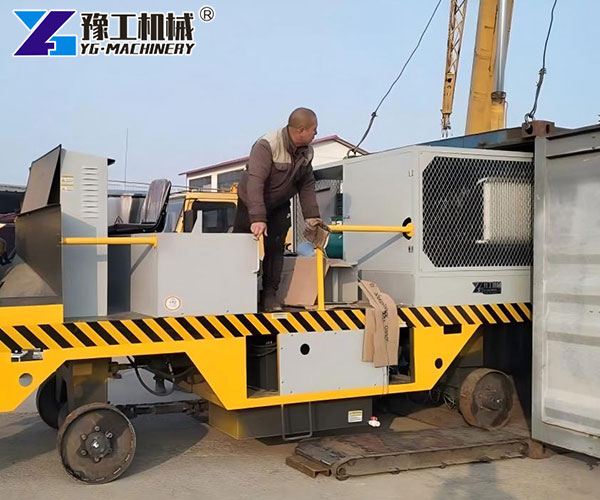
The Slipform Kerb Machine for Sale was delivered according to the project schedule, helping the contractor avoid delays. Before shipment, the machine was tested and preset based on the kerb dimensions provided by the client.
On-Site Commissioning
Setup and adjustment were completed in a short time
Local operators learned basic operations quickly
The control system was simple and intuitive
Actual Construction Performance
During on-site operation, several results stood out:
High one-time forming rate on curved sections
Smooth kerb surface with stable width
Continuous operation on slopes without sliding
Stable engine performance at higher altitude
One feedback from the site team was:
“The machine maintained stable speed on both uphill and downhill sections without manual braking, which significantly improved safety and curb consistency.”
This type of feedback is especially valuable for buyers who care about real working results rather than brochure descriptions.