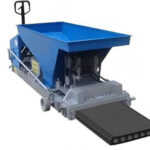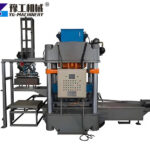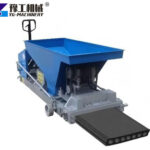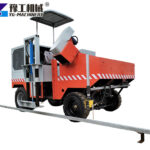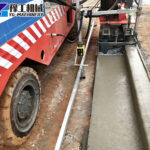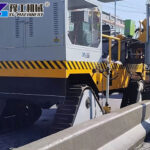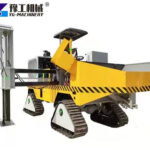
What Is A Stay-in-Place Concrete Formwork Machine
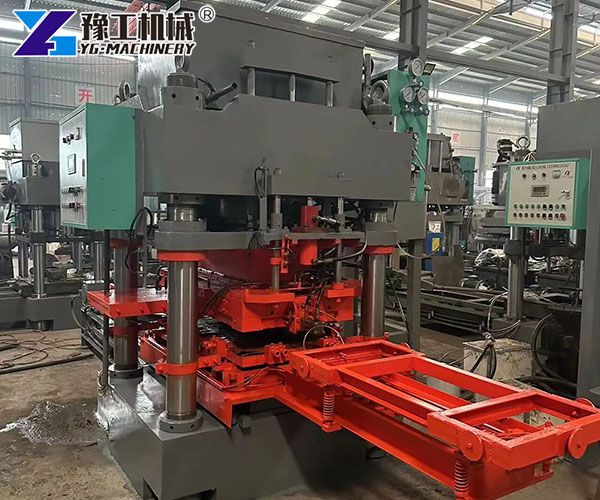
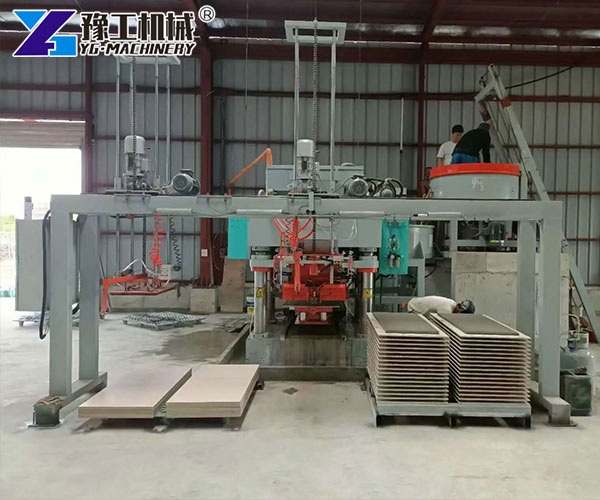
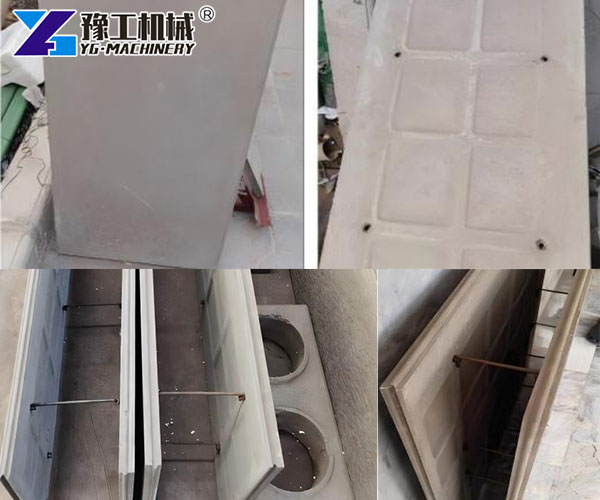
A Stay-in-Place Concrete Formwork Machine is specialized equipment used to produce permanent concrete formwork panels. These panels are installed before concrete pouring and remain as part of the structure after casting. Unlike traditional formwork, they are not removed after the concrete hardens.
This type of machine supports the production of panels that act as both a mold and a structural layer. In many projects, the panels help reduce on-site labor and improve construction efficiency. The system is often called a permanent concrete formwork machine because the formwork becomes a fixed element of the building.
Difference From Traditional Removable Formwork
Traditional formwork is installed, used once, and then removed. This process requires:
- Skilled workers for assembly and removal
- Extra time for dismantling
- Material handling and cleaning
A Stay-in-Place Concrete Formwork Machine eliminates these steps by producing panels that stay inside the structure.
Engineering Meaning Of Stay-in-Place / Permanent Formwork
In engineering terms, stay-in-place formwork provides:
- Structural support during casting
- Protection for fresh concrete
- A finished surface after pouring
Typical Structural Applications
These panels are commonly used in:
- Load-bearing walls
- Shear walls
- Structural outer formwork for buildings
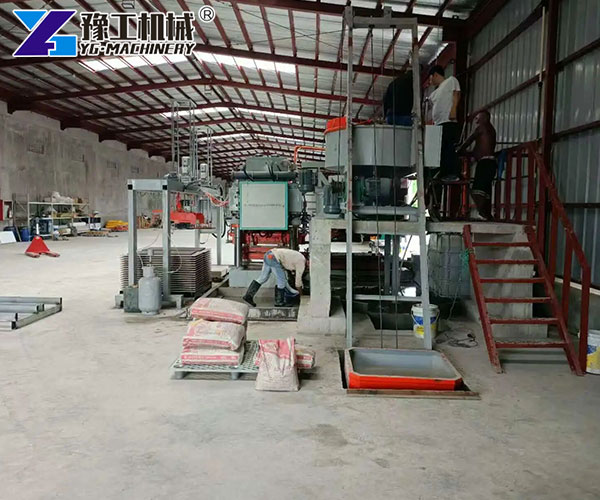
How The Stay-in-Place Concrete Formwork Machine Works
The production process focuses on stable quality and repeatable results. The Stay-in-Place Concrete Formwork Machine uses controlled pressure and molds to create strong, uniform panels.
Raw Materials Used
The panels are usually made from:
- Cement-based mix
- Lightweight aggregates
- Steel or fiber reinforcement
These materials help balance strength, weight, and durability.
Hydraulic Press Forming Process
The core forming method uses a hydraulic press for concrete formwork. The press applies even pressure across the mold to:
- Remove air gaps
- Increase density
- Improve panel strength
Hydraulic pressing also ensures consistent thickness and smooth surfaces.
Panel Thickness And Strength Control
Panel thickness and strength depend on:
- Mold design
- Pressing force
- Material ratio
These factors are adjusted based on project requirements.
How Panels Become Part Of The Structure
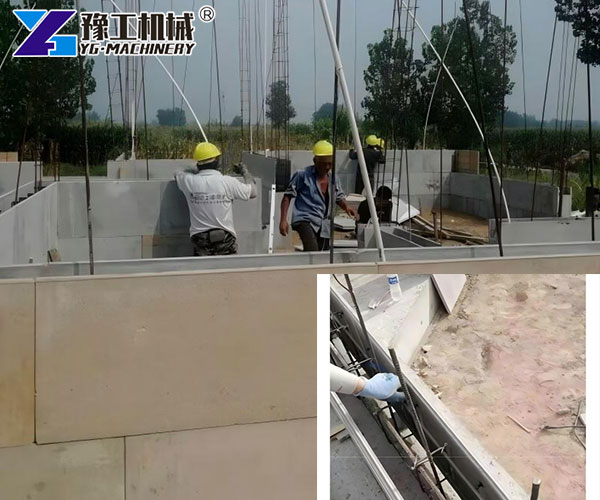
After installation, concrete is poured behind the panels. Once cured:
- The panels bond with the cast concrete
- The formwork becomes a structural layer
- No removal is required
This process defines a true non-removable concrete formwork system.
WhatsApp/WeChat/Phone: 86 138 3715 9132
Key Advantages Of Stay-in-Place Concrete Formwork Systems
Stay-in-place formwork systems are used because they solve common construction problems.
Major Benefits
- Elimination of formwork removal labor
- Reduced construction time on site
- Lower risk of surface damage
- Improved structural consistency
Cost And Management Benefits
Over multiple projects, companies see:
- Lower labor dependency
- Fewer construction delays
- More predictable scheduling
These advantages make SIP concrete formwork equipment suitable for repeated or standardized construction work.
Typical Applications Of Stay-in-Place Concrete Formwork Equipment
A Stay-in-Place Concrete Formwork Machine is best used in projects where speed, labor efficiency, and consistency matter.
Common Project Types
- Industrial and warehouse buildings
- Residential structural walls
- Infrastructure and utility structures
Project Conditions Where It Performs Best
- High labor cost regions
- Tight construction schedules
- Modular or repeatable designs
In these cases, concrete stay-in-place formwork panels help keep projects on track.
When A Stay-in-Place Concrete Formwork Machine Is NOT Recommended
This equipment is not suitable for every situation. Clear boundaries help buyers make better decisions.
Less Suitable Scenarios
- Projects requiring frequent design changes
- Temporary or short-life structures
- Low-volume or one-off construction projects
In such cases, traditional removable formwork may be more flexible.
Stay-in-Place Formwork Vs Traditional Removable Formwork
| Comparison Item | Stay-in-Place Formwork | Traditional Removable Formwork |
| Labor Requirements | Fewer workers needed | Skilled labor is required for removal |
| Construction Speed | Faster project flow | Longer construction timelines |
| Cost Structure | Higher initial setup, lower long-term cost | Lower upfront cost, higher labor expense |
| Sustainability | Less material waste | More formwork disposal |
| Project Scale Suitability | Medium to large, repeated projects | Small or custom projects |
Key Technical Parameters To Consider Before Purchasing
Choosing the right Stay-in-Place Concrete Formwork Machine depends on technical needs.
Key Factors
- Panel size range and customization capability
- Pressing force and density control
- Mold system flexibility
Production And Compliance
- Automation level
- Daily output capacity
- Compatibility with local concrete standards
These parameters affect production stability and long-term performance.
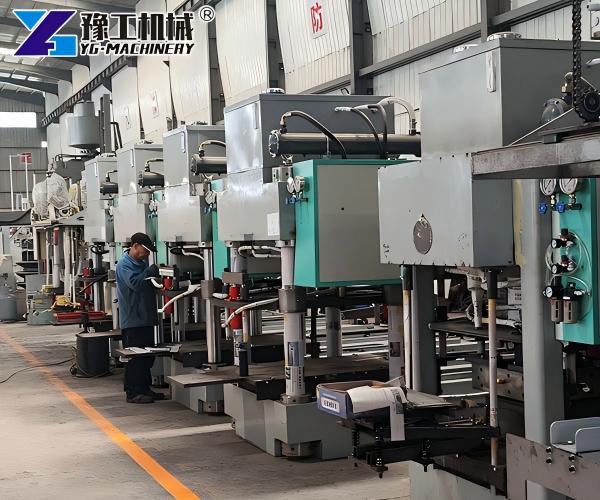
Production Line Configuration Options
Different factories require different setups.
Common Configurations
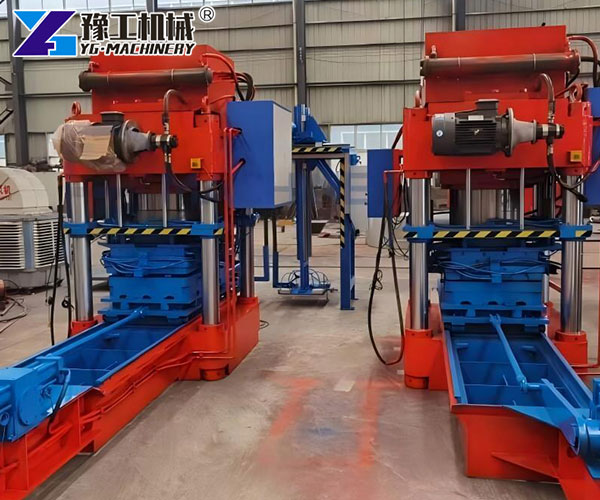
- Single hydraulic press setup
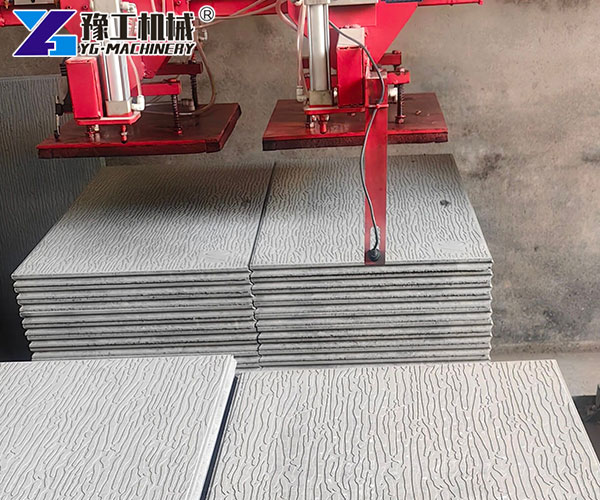
- Semi-automatic panel production line
- Integrated production line with curing and stacking
Mold System Selection Strategy
Mold selection should match:
- Panel dimensions
- Structural design
- Production volume
A flexible mold system supports future expansion.
Who Should Invest In A Stay-in-Place Concrete Formwork Machine
This equipment is best suited for companies with long-term construction plans.
Ideal Buyers
- Precast concrete manufacturers
- Construction companies with in-house production
- Modular building system suppliers
- Infrastructure contractors with repetitive projects
For these users, SIP concrete formwork equipment improves control and efficiency.
Long-Term Value And ROI For Construction Businesses
The value of a Stay-in-Place Concrete Formwork Machine grows over time.
Long-Term Benefits
- Reduced labor cost across multiple projects
- More stable construction schedules
- Less reliance on skilled formwork workers
Business Scalability
- Easier expansion to new projects
- Better cost forecasting
- Higher consistency in structural quality
This makes permanent formwork systems a strategic investment.
Frequently Asked Questions
Can Stay-in-Place Formwork Panels Replace Structural Walls?
They act as formwork and part of the structure, but final strength depends on design and reinforcement.
Is Special Training Required?
Basic operator training is enough. The system reduces reliance on skilled site labor.
Are Panel Sizes Customizable?
Yes. Most systems support custom mold sizes.
Does It Meet International Standards?
Panels can be produced to meet local and international concrete standards.