Top, Professional and Reliable Manufacturer of Concrete Machinery – YG Machinery
IPhone/WeChat/WhatsApp: +86 13837159132
What Are The Concrete Pump Components
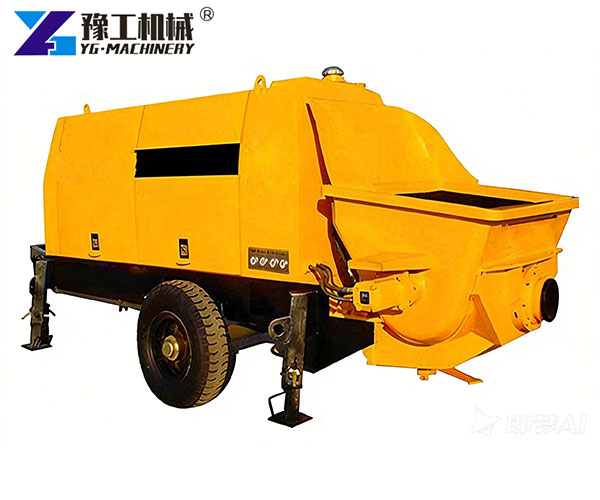
Modern construction projects depend on powerful machinery that ensures speed, precision, and reliability—and few machines are as essential as concrete pumps. Understanding concrete pump components helps contractors, engineers, and equipment buyers choose the right machine, reduce downtime, and maximize productivity on site.
The pumping system is the heart of the machine, responsible for transporting concrete smoothly and consistently.
Concrete Pumping System
Key Elements
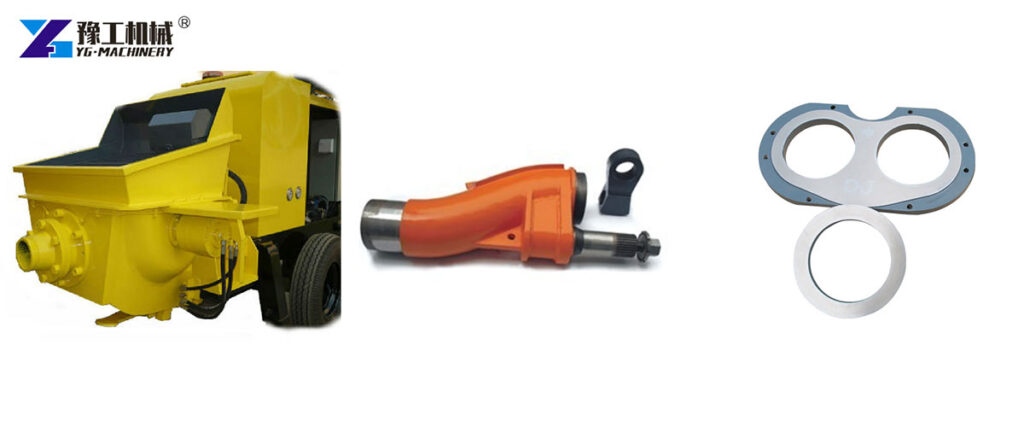
Large Inclination Hopper – Designed to improve suction efficiency and reduce material buildup, ensuring continuous flow even with thick mixes.
High-Efficiency S-Valve – Features gradual diameter transitions that reduce pressure loss and wear while maintaining steady output.
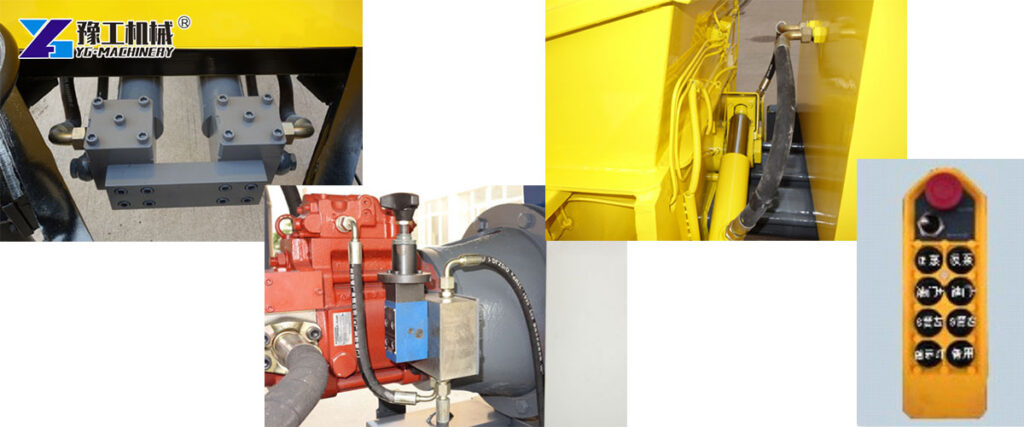
High Outlet Pressure – Allows concrete delivery over long horizontal distances and tall vertical heights—ideal for high-rise or infrastructure projects.
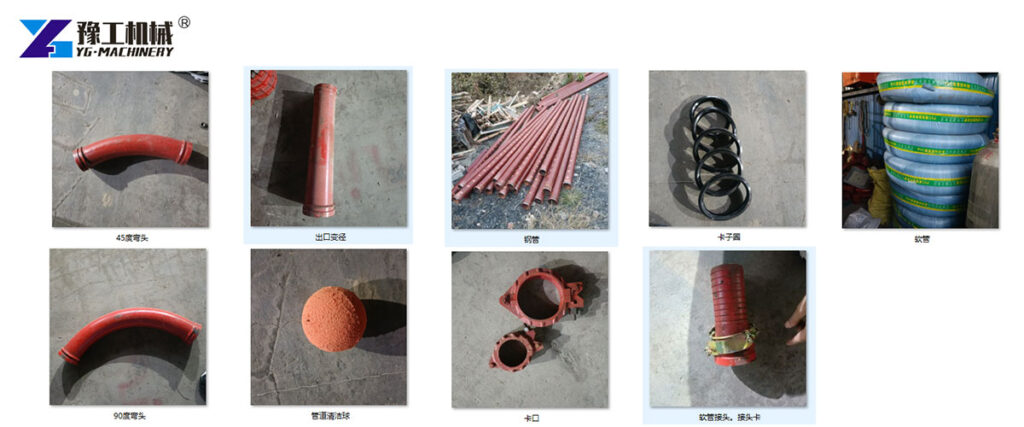
Wear-Resistant Components – Parts like spectacle plates and cutting rings use high-hardness alloys for up to 3× longer service life.
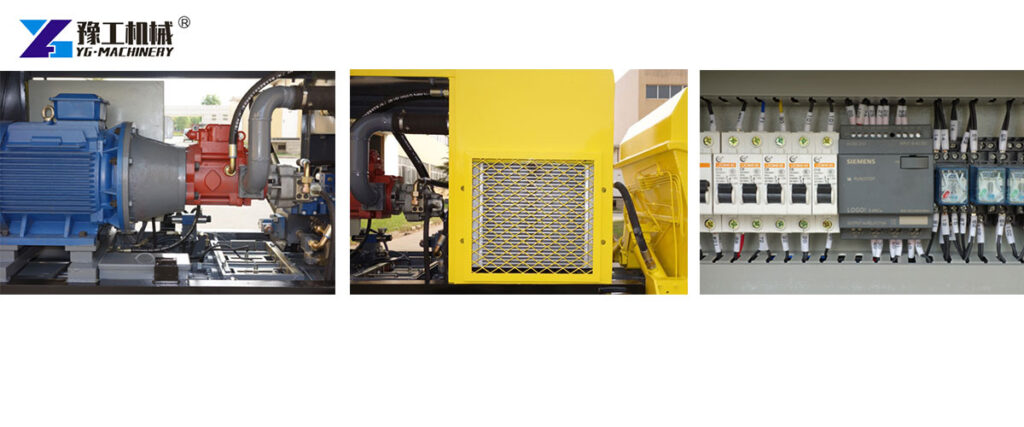
Premium Global Parts – Many pumps integrate components from trusted manufacturers such as Kawasaki, Parker, Siemens, and Schneider Electric to ensure reliability.
Knowing how each system works together allows you to:
Choose the right pump model for your project
Predict maintenance needs
Extend equipment lifespan
Improve jobsite efficiency
Reduce operating costs
In short, understanding the internal structure of your machine helps you unlock its full performance potential.
✔ Pro Tip for Buyers: When comparing pumps, always evaluate component quality—not just price. Machines built with high-grade materials and branded hydraulic and electrical parts typically deliver better long-term value. Choosing equipment from trusted manufacturers like YG Machinery ensures reliable performance, durable components, and professional technical support—helping your projects run smoothly from start to finish.