Top, Professional and Reliable Manufacturer of Concrete Machinery – YG Machinery
IPhone/WeChat/WhatsApp: +86 13837159132
Self-Loading Concrete Mixer Price
self-loading concrete mixer price guide
self-loading concrete mixer truck working
The Self-Loading Concrete Mixer Price is one of the first things contractors search for before buying equipment. Price is closely related to project planning and equipment investment. Understanding the cost structure helps buyers make better decisions.
Most users search for price information because they want to:
Plan construction equipment investment
Compare different mixer models
Evaluate return on investment
Estimate project equipment budget
A self-loading concrete mixer is different from traditional mixers. It combines several functions into one machine, including:
loading raw materials
mixing concrete
transporting materials
discharging finished concrete
Because one machine can complete multiple tasks, the purchase price is usually higher than that of a standard mixer. However, the overall operating cost is often lower.
For many contractors, knowing the Self-Loading Concrete Mixer Price helps them estimate project efficiency and long-term cost savings.
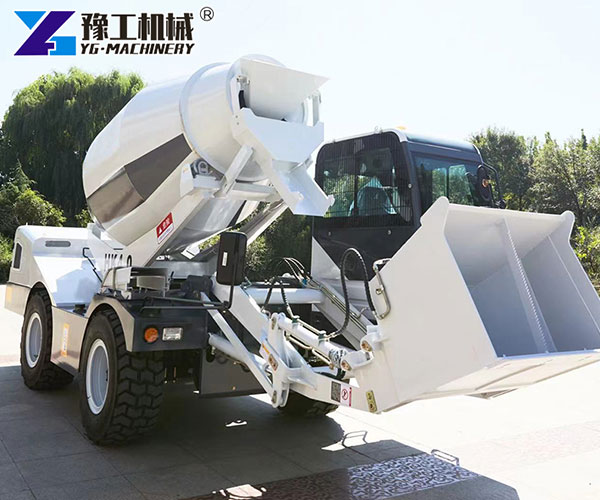
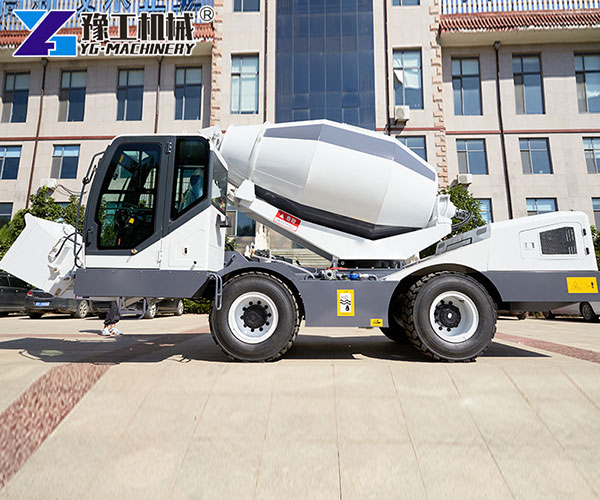
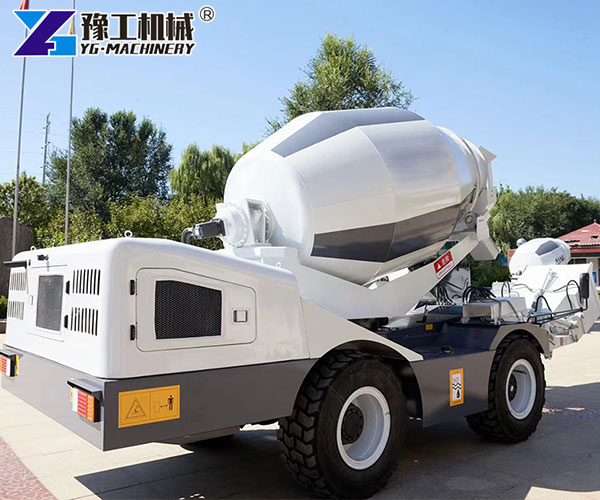
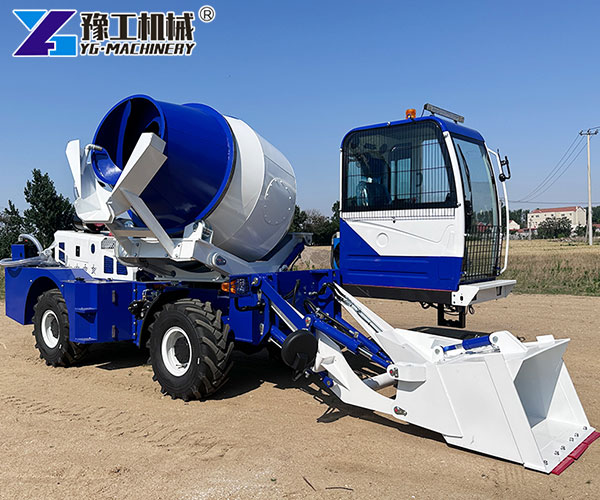
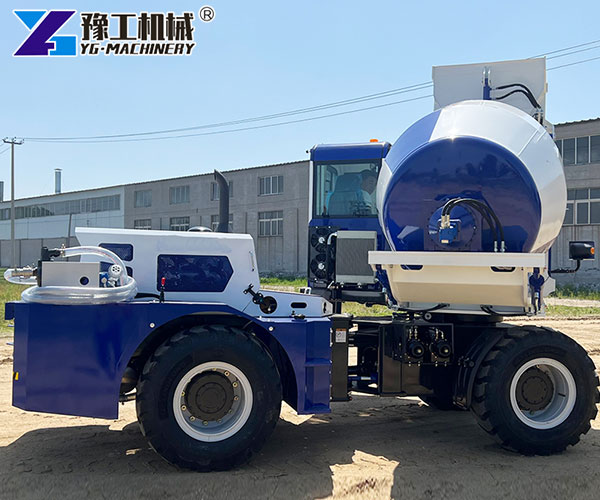
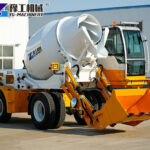
A self-loading concrete mixer truck is a compact construction machine designed to produce and transport concrete directly on the job site. It integrates several systems in one vehicle.
The main functions include:
automatic material loading with a front bucket
mixing drum for concrete production
built-in water system
transportation to the construction location
controlled concrete discharge
This design allows the machine to produce fresh concrete at any time without relying on a batching plant.
Another advantage is reduced labor requirements. A single operator can control most of the functions, including loading and mixing.
Many construction companies use this type of equipment because it:
reduces labor costs
improves construction efficiency
works well for small and medium projects
In many regions, the self-loading concrete mixer machine is considered a practical solution for construction sites that need flexible concrete production.
WhatsApp/WeChat/Phone: 86 138 3715 9132
Main Specifications Of A Self Loading Concrete Mixer
Understanding machine specifications is important when evaluating the Self-Loading Concrete Mixer Price. Larger machines or stronger engines usually increase the total cost.
Model
YG1.8
YG2.6 C
YG3.5 C
YG4.0 C
Output per Lot
1.6 m³
2.6 m³
3.5 m³
4.0 m³
Production Capacity
8 m³/h
11 m³/h
15.5 m³/h
18 m³/h
Engine Power
78 KW
78 KW
85 KW
91 KW
Climbing Capacity
30°
30°
40°
40°
Weight
6300KG
7000KG
8250KG
9000KG
Length/width/height
6700*2340*2700mm
6650*2700*3200mm
7300*2750*3350mm
7700*2950*3400mm
Wheelbase
2500mm
2770mm
2750mm
2950mm
Different capacities require different engines, stronger frames, and larger drums. These changes directly affect the Self-Loading Concrete Mixer Price.
Core Configuration Of Self Loading Concrete Mixer Machine
The standard configuration of a self-loading concrete mixer machine determines the base price of the equipment. Higher quality components often increase durability and long-term performance.
Typical standard configurations include:
Engine
Brake axle system
Torque converter
Heavy-duty tires
Hydraulic motor
Mixing drum
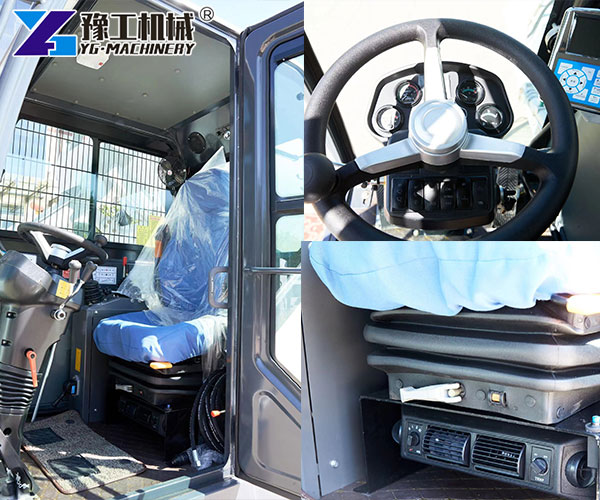
Operator cabin
Driving camera system
Water suction pump
Automatic water metering system
Bucket discharge vibrator
Cooling and heating air conditioning
Cement hopper
The quality of these components affects several key factors:
durability of the equipment
mixing performance
long-term maintenance cost
Machines built with stronger components often last longer and operate more smoothly. Because of this, configuration quality has a clear impact on self loading concrete mixer cost.
Optional Features That Affect Self-Loading Concrete Mixer Price
Many manufacturers offer optional features that improve automation and operator comfort. These features increase productivity but also affect the Self-Loading Concrete Mixer Price.
Common optional configurations include:
Electronic weighing system
Hydraulic material chute
Pneumatic climbing legs
Excavator control operating system
Automatic lubrication system
These upgrades provide several benefits.
1. Electronic weighing systems improve mixing accuracy. The machine can measure materials more precisely.
2. Automatic lubrication systems reduce maintenance work and extend machine life.
3. Hydraulic chutes and improved controls make operation easier for the driver.
Although optional features increase equipment cost, they often improve efficiency and reduce long-term maintenance expenses.
Main Factors That Affect Self-Loading Concrete Mixer Price
Several technical and manufacturing factors influence the final Self-Loading Concrete Mixer Price. Understanding these factors helps buyers compare machines more effectively.
Machine Capacity
Machine capacity is the most important factor affecting price.
Common models include:
1.8 m³
2.6 m³
3.5 m³
4.0 m³
As capacity increases:
engine power increases
chassis strength increases
drum size increases
Larger machines require more materials and stronger components, so the price becomes higher.
Engine Brand And Power
The engine is the machine’s main power source.
Common engine brands include:
Cummins
Yuchai
Weichai
Different engines influence:
fuel efficiency
machine power
equipment durability
Machines with stronger or international brand engines often cost more, which affects the Self-Loading Concrete Mixer Price.
Hydraulic System Quality
The hydraulic system controls many functions of the machine.
It affects:
bucket loading efficiency
drum rotation stability
overall operation smoothness
High-quality hydraulic components usually mean:
higher manufacturing cost
longer service life
A reliable hydraulic system also reduces maintenance issues.
Manufacturing Materials
The materials used in the machine structure also influence the price.
Examples include:
drum steel thickness
frame structure strength
anti-corrosion coating
Machines built with stronger materials can:
increase equipment durability
reduce long-term maintenance cost
These upgrades add to manufacturing cost and therefore affect price.
Automation Level
Automation features increase convenience and productivity.
Examples include:
electronic weighing systems
automatic water control
automatic lubrication systems
These technologies help:
improve mixing accuracy
reduce operator workload
Higher automation levels usually lead to a higher Self-Loading Concrete Mixer Price.
Supplier And Manufacturing Quality
Different manufacturers have different production standards.
Important factors include:
production technology
quality control systems
after-sales service
spare parts availability
Choosing a reliable supplier ensures better machine reliability and long-term support.
Situations Where Self-Loading Concrete Mixers May Not Be Ideal
Although these machines are versatile, they are not suitable for every construction situation.
Large Concrete Batching Plants
Large commercial projects often use centralized batching plants and concrete pump trucks. These systems can produce very large volumes of concrete continuously.
High-Rise Urban Construction
High-rise buildings usually require specialized equipment, such as:
tower cranes
high-pressure concrete pumps
These machines are better suited for vertical construction.
Extremely Narrow Construction Sites
In very narrow urban areas, maneuvering a self-loading concrete mixer truck may be difficult. Limited access roads or parking space can restrict machine movement.
Understanding these limitations helps buyers choose the right equipment.
How To Choose The Right Self-Loading Concrete Mixer
Choosing the right machine requires careful evaluation of project needs.
Project Size
Different project sizes require different mixer capacities.
Small projects:
1.8m³
2.6m³
Medium projects:
3.5m³
4.0m³
Selecting the correct capacity helps balance productivity and budget.
Terrain Conditions
Construction environments vary widely.
Examples include:
mountain areas
rural roads
rough construction sites
Some machines are designed with stronger chassis or better off-road capability.
Budget Planning
Construction companies must consider several cost factors:
equipment purchase price
long-term operating cost
maintenance and spare parts cost
Proper planning helps ensure a good return on investment.
Why Construction Companies Invest In Self-Loading Concrete Mixers
The machine can complete the entire concrete process:
loading raw materials
mixing concrete
transporting the mixture
discharging finished concrete
This integrated design saves time and reduces the number of workers required on site. For many construction companies, the productivity benefits make the Self-Loading Concrete Mixer Price a worthwhile investment.