Traditional rock-breaking methods are often difficult and risky. Many projects still rely on blasting, jackhammers, or cutting machines. These methods can produce loud noise, strong vibration, and flying debris. They may also create safety risks for workers and nearby structures. In urban construction areas, blasting is often restricted because of environmental and safety regulations. A Hydraulic Rock Splitter provides a modern solution to these problems. It uses hydraulic pressure to split rock and concrete in a controlled way. The process does not require explosives and produces very little vibration. Cracks can be guided along the drilling direction, making the work precise and efficient. Because of these advantages, this equipment is widely used in city construction, mining, tunnel excavation, and building demolition.
What Is A Hydraulic Rock Splitter?
A Hydraulic Rock Splitter is a powerful mechanical tool that splits rock, concrete, and stone using hydraulic pressure. It is widely used when controlled rock breaking is required.
This machine is also called:
- rock splitting machine
- hydraulic stone splitter
- concrete splitter machine
The basic working process is simple:
- Drill holes in the rock or concrete.
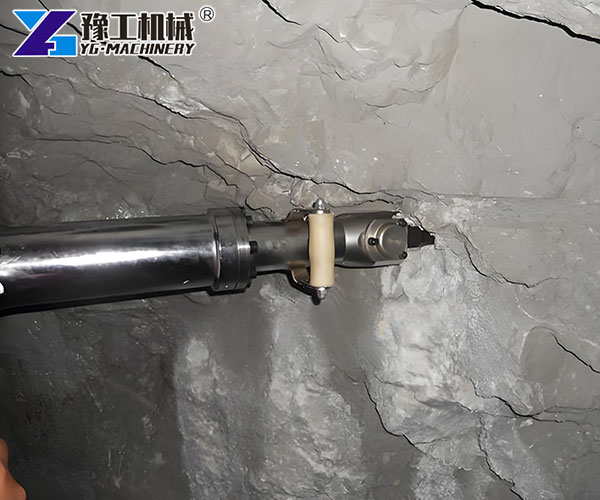
- Insert the splitting gun into the hole.
- The hydraulic system pushes the wedge outward.
- The rock cracks along the weak line.
The advantages of this system include:
- Controlled crack direction
- Extremely high splitting force
- Effective performance on hard rock
Because of this working method, the equipment is ideal for granite, basalt, limestone, and reinforced concrete structures.
WhatsApp/WeChat/Phone: 86 138 3715 9132
Key Components Of A Hydraulic Rock Splitter
A modern rock-breaking equipment system usually includes several key parts that work together to deliver a powerful splitting force.
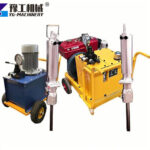
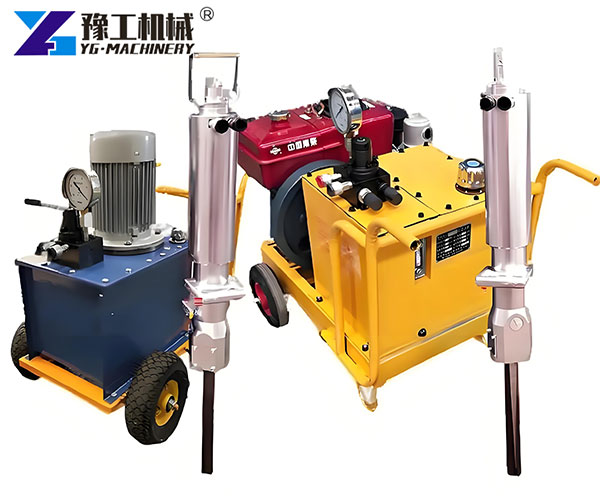
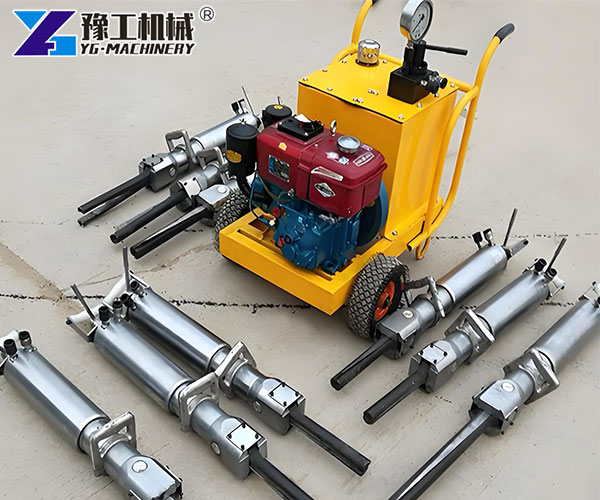
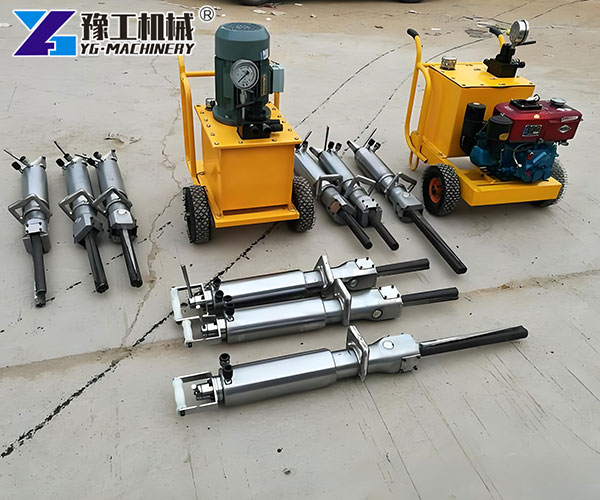
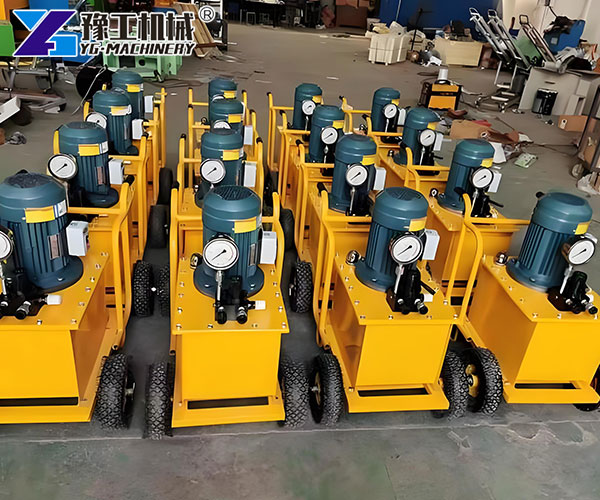
Hydraulic Pump Station
The hydraulic pump station provides the power needed for splitting operations.
Two common types are available:
- Electric hydraulic pump station
- Diesel hydraulic pump station
Electric pumps are suitable for sites with a stable power supply. Diesel pumps are commonly used in outdoor projects or mining areas without electricity.
Splitting Gun
The splitting gun is the core tool that enters the drilled hole.
Inside the gun, there are:
- A center wedge
- Two counter wedges
When hydraulic pressure pushes the center wedge forward, the side wedges expand and create strong lateral force. This force causes the rock to crack.
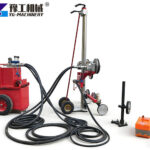
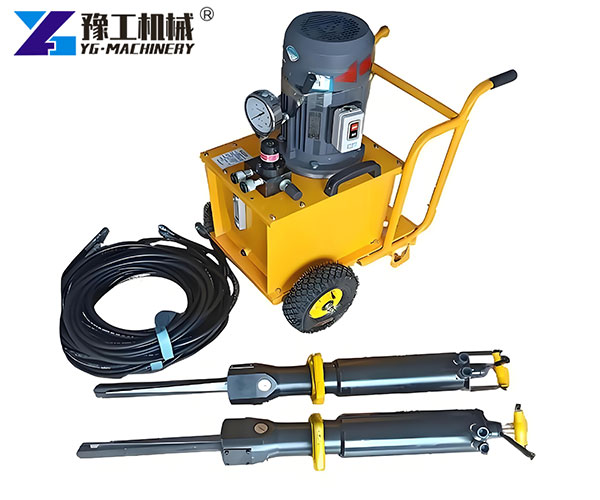
High-Pressure Hydraulic Hoses
Hydraulic hoses connect the pump station to the splitting guns. They transfer hydraulic oil under high pressure.
These hoses are designed to be durable and flexible so that the machine can operate safely in different environments.
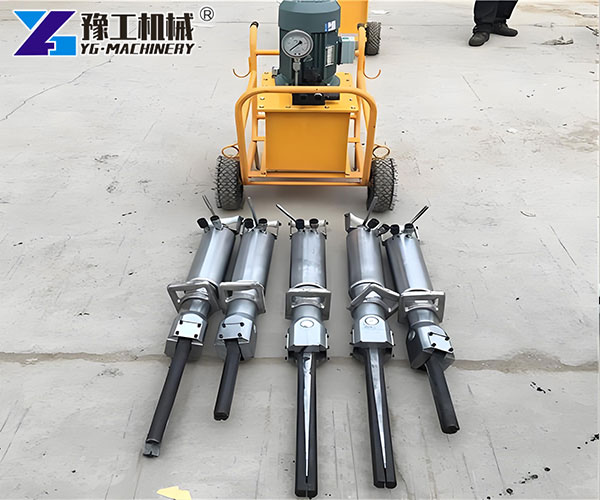
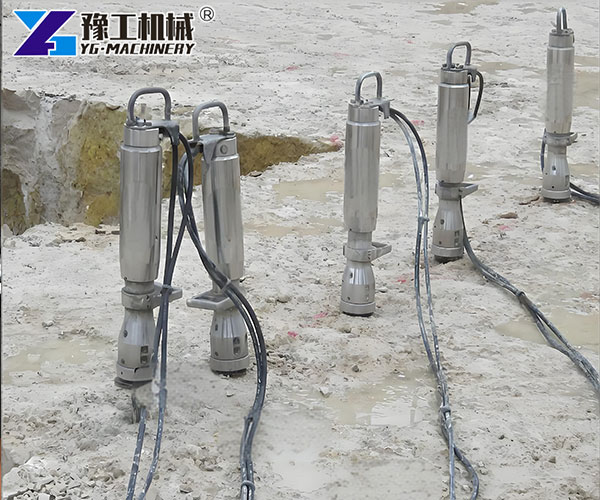
Multi-Valve Distributor
A multi-valve distributor allows several splitting guns to operate simultaneously. This increases efficiency and productivity.
Different configurations are available:
- Basic configuration: 2–3 guns for small projects or emergency work
- Standard configuration: 4–5 guns for most international customers
- High-efficiency configuration: 6 guns for large quarry or mining production
Power Selection Guide
Choosing the correct power system depends on the job site conditions.
Electric pump station:
- Suitable for factories, tunnels, and foundation pits
- Stable power supply required
Diesel pump station:
- Suitable for remote mines or outdoor construction sites
- Works well without external power
Technical Parameters of Rock Splitter Machine
Typical specifications of a Hydraulic Rock Splitter Machine may include:
| Model | YG-250 | YG-350 | YG-450 |
| Power | Diesel Power Pack | ||
| Diesel Power Pack | Changchai 6hp or 8hp | ||
| Hydraulic Power Unit | Pressure Adjustable 10-60Mpa | ||
| Splitter Length (mm) | 1000 | 1100 | 1200 |
| Wedge Length (mm) | 250 | 350 | 450 |
| Wedge Weight (kg) | 30 | 36 | 43 |
| Piston Stroke (mm) | 90/220 | 90/220 | 90/220 |
| Drilling Depth (mm) | >500 | >700 | >900 |
| Drilling Diameter (mm) | 42 | 50 | 55 |
| Crack Width (mm) | 10-20 | 10-20 | 10-20 |
| Splitting Time (s) | 10-15 | 10-15 | 10-15 |
| Splitting Force (T) | 800 | 900 | 1000 |
Actual specifications may vary depending on the model and configuration.
Working Principle Of A Hydraulic Rock Splitter
The working process of this silent rock-breaking machine is simple and easy to control.
Step 1 – Drill Holes
First, holes are drilled in the rock or concrete surface.
Typical hole diameter:
- 30–45 mm
The hole depth depends on the thickness of the rock and the type of splitter used.
Step 2 – Insert The Splitter
The splitting gun is inserted into the drilled hole.
The wedge direction should match the desired cracking direction. This ensures that the rock splits in the correct line.
Step 3 – Hydraulic Expansion
The hydraulic pump pushes oil into the splitting cylinder.
This causes the wedges to expand and generate strong lateral pressure inside the rock.
Step 4 – Rock Splitting
The rock gradually cracks along the weak surface.
Key features of this process include:
- No vibration
- No flying debris
- No blasting required
This makes the system much safer than traditional methods.
Technical Advantages of Hydraulic Stone Splitter
Modern Hydraulic Stone Splitter machines include several advanced design features that improve performance.
High strength alloy wedges:
- Strong wear resistance
- High impact resistance
- Service life increased by about 50%
Double-acting hydraulic system:
- Faster splitting and return speed
- Shorter working cycle
Overload protection valve:
- Prevents damage from excessive pressure
- Improves equipment reliability
Precise flow distribution:
- Allows multiple guns to work simultaneously
- Ensures balanced rock pressure
Application Scenarios
The Hydraulic Rock Splitter can be used in many engineering fields.
Stone Quarry Mining
Typical uses include:
- Granite block separation
- Marble quarry extraction
This method helps keep the stone block intact, which improves commercial value.
Infrastructure Construction
Common uses include:
- Hard rock removal in foundation pits
- Tunnel excavation projects
- Road widening construction
Demolition Projects
This concrete splitter machine is also widely used in demolition work:
- Concrete structure removal
- Bridge support demolition
- Building foundation breaking
Emergency Rescue
The machine can also help during emergencies:
- Removing unstable rocks on slopes
- Breaking large stones blocking roads
Customer Case Studies
Real project examples help demonstrate the performance of the equipment.
Case 1 – Granite Quarry In Australia
A six-gun configuration increased daily production by 400 cubic meters of stone.
Case 2 – Tunnel Construction In Southeast Asia
A diesel hydraulic pump allowed stable operation in remote areas without electricity.
Case 3 – Urban Foundation Excavation In Europe
An electric pump station helped meet strict noise and environmental regulations.
When A Hydraulic Rock Splitter May Not Be Suitable
Although this equipment is powerful, there are some situations where it may not be the best solution.
Extremely Soft Soil
If the material is:
- Soil
- Loose sand or gravel
The splitter cannot create enough pressure to form cracks.
Very Thin Structures
If the concrete structure is very thin, the cracking line may become unstable.
In this case, cutting tools may be more suitable.
Extremely Large Rock Volumes
When dealing with very large rock masses, blasting may sometimes be more economical for large-scale excavation.
How To Choose The Right Hydraulic Rock Splitter
Selecting the right model depends on several important factors.
Rock Hardness
Different rocks require different splitting force levels.
Examples include:
- Granite
- Basalt
- Limestone
Hole Diameter
Common hole sizes include:
- 32 mm
- 38 mm
- 45 mm
Power Source
Two main options are available:
- Electric pump system
- Diesel hydraulic system
Splitting Force
Select the appropriate force according to project scale.
Typical ranges:
- 300 ton
- 500 ton
- 800 ton
Hydraulic Rock Splitter Vs Traditional Rock Breaking Methods
| Method | Noise | Safety | Precision |
|---|---|---|---|
| Blasting | High | Low | Low |
| Jackhammer | High | Medium | Medium |
| Hydraulic Rock Splitter | Low | High | High |
Compared with traditional methods, the Hydraulic Rock Splitter offers a safer and more precise solution for rock breaking.
Frequently Asked Questions
How Many Splitting Guns Can One Pump Station Drive?
Most pump stations can support 2 to 6 splitting guns, depending on the hydraulic power and valve system.
What Hole Diameter And Depth Are Required?
Typical hole diameters range from 30 mm to 45 mm, and depth depends on the rock thickness.
How Should I Choose Between Electric And Diesel Pumps?
Electric pumps are ideal for areas with stable power. Diesel pumps are better for outdoor or remote projects.
What Are The Main Wear Parts Of The Machine?
The main wear parts include wedges, seals, and hydraulic hoses.
Can Voltage, Color, Or Connectors Be Customized?
Yes. Many manufacturers provide customization for voltage, connectors, and paint color.
What Is The Delivery Time And Packaging Method?
Delivery usually takes 7–20 days, and machines are packed in wooden export crates for safe transport.