Top, Professional and Reliable Manufacturer of Concrete Machinery – YG Machinery
IPhone/WeChat/WhatsApp: +86 13837159132
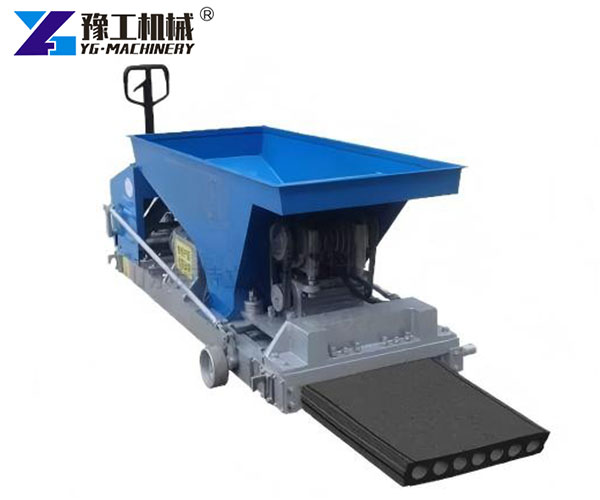
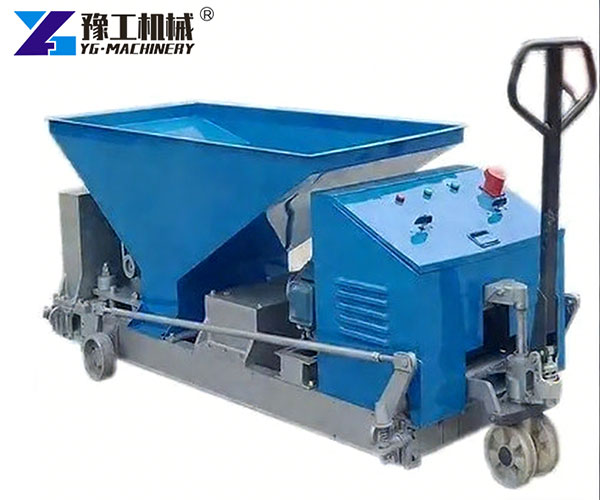
Precast Concrete Wall Panel Machine
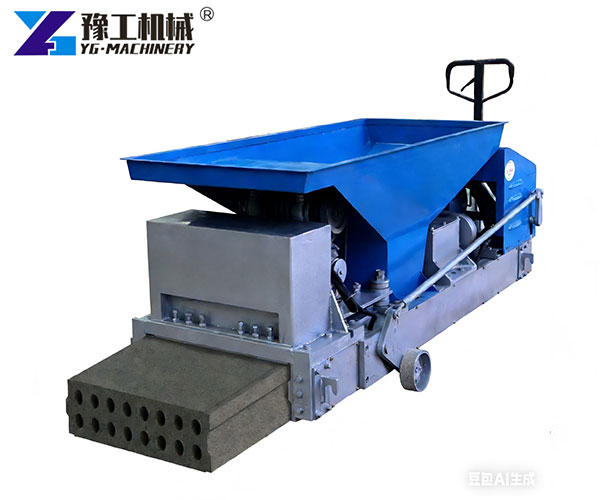
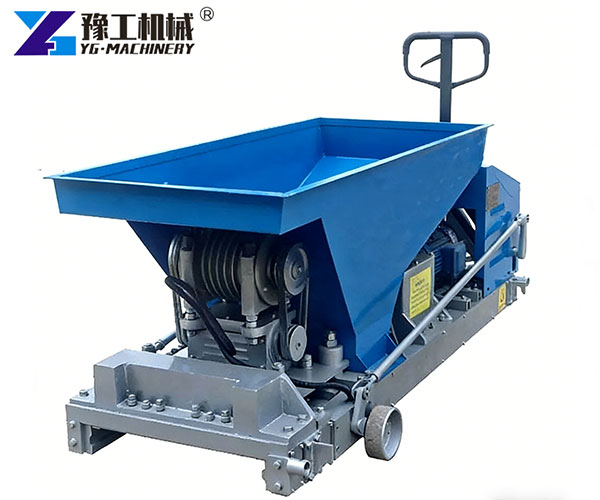
Precast concrete wall panel machine
Concrete wall panel making machine
The Precast Concrete Wall Panel Machine is a key piece of equipment for modern prefab construction. It helps manufacturers produce wall panels in a controlled factory environment instead of pouring concrete on-site. This change improves quality, shortens project timelines, and reduces labor pressure. For developers and contractors who want predictable results, this machine plays a central role in scalable building systems.
A Precast Concrete Wall Panel Machine is an industrial system used to produce concrete wall panels in molds under controlled conditions. These panels are later transported to construction sites and assembled as part of a prefab structure.
In prefab construction, this machine acts as the foundation of the entire production workflow. It allows walls to be manufactured with stable dimensions, smooth surfaces, and repeatable strength levels.
Compared with traditional on-site casting, the differences are clear:
Factory production instead of open-site pouring
Less dependence on weather and manual labor
Better control over curing time and surface finish
This equipment can produce different wall panel types, including:
Load-bearing wall panels
Non-load-bearing partition walls
Exterior wall panels with insulation space
Interior wall panels with embedded conduits
WhatsApp/WeChat/Phone: 86 138 3715 9132
Specification of Precast Concrete Wall Panel Machine
Model
90*600
100*600
Power
5.5kw
5.5kw
Voltage
380v 50Hz
380v 50Hz
Dimensions
2500×900×750mm
2500×900×750mm
Weight
950kg
1000kg
No.*Diameter Of Hole
7* Ø58mm
7* Ø68mm
Production Efficiency
1.5-3m/min
1.5-3m/min
Finished product specification
L×600×90mm
L×600×100mm
Hollow rate
34.6%
32.6%
How A Precast Concrete Wall Panel Machine Works
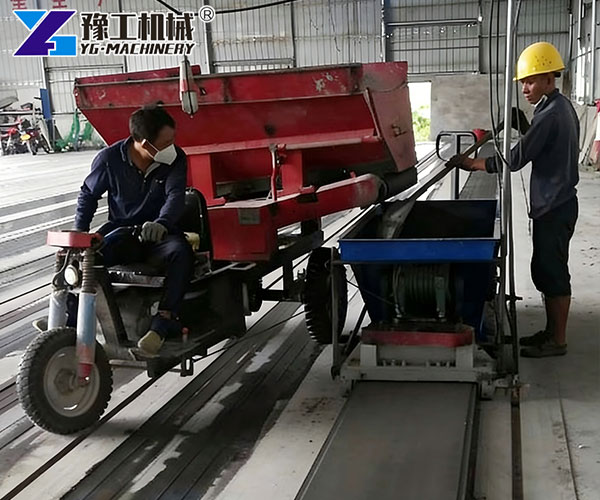
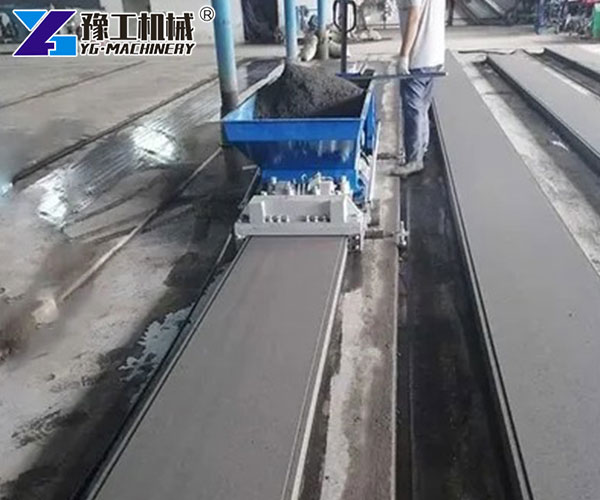
The working process of a Precast Concrete Wall Panel Machine follows a standardized and repeatable flow. This ensures that each panel meets design and quality requirements.
The typical process includes several key steps:
Mold setup and steel reinforcement placement
Concrete is poured into the mold
Vibration and compaction to remove air gaps
Surface leveling and edge control
After shaping, the panels go through controlled curing. Once the strength requirements are met, the demolding systems release the panels safely. Finished panels are then stored or moved for transport.
This standardized process allows production to scale. Whether producing dozens or hundreds of panels, results remain consistent. That is why many factories integrate the machine into a precast wall panel production line for continuous output.
Precast wall panels are widely used across building sectors where speed, quality, and cost control matter.
Residential And Apartment Buildings
In housing projects, wall panels are produced in advance and assembled on-site. This reduces construction time and simplifies labor planning.
Main benefits include:
Faster project completion
Lower on-site labor demand
More predictable building schedules
A concrete wall panel making machine helps developers maintain uniform panel size and thickness across large residential projects.
Industrial And Commercial Buildings
Factories, warehouses, and commercial buildings often require large wall sections with consistent quality.
Precast panels offer:
Uniform appearance across large surfaces
Reliable structural performance
Easier integration with steel structures
Using stable precast concrete panel equipment ensures that large panels remain dimensionally accurate, even at higher production volumes.
Infrastructure And Public Projects
Public buildings such as schools and hospitals demand quality, stability, and schedule control.
Precast wall panels support these needs by offering:
Controlled production quality
Reduced site disturbance
Reliable delivery timelines
Precast Wall Panel Machine Vs Traditional Casting Methods
When evaluating investment value, many buyers compare precast machines with traditional on-site casting.
The differences become clear in several areas:
Production efficiency: Factory production runs continuously, while site casting depends on conditions
Cost structure: Less labor and rework, more upfront equipment investment
Quality consistency: Mold-based panels are more uniform
Project scale: Precast suits medium to large projects better
For small or one-off builds, traditional casting may still be practical. For repeatable projects, the Precast Concrete Wall Panel Machine often delivers stronger long-term returns.
Main Components Of A Precast Concrete Wall Panel Machine
Understanding core components helps buyers assess system reliability and future expansion.
Key parts include:
Precast panel mold system for shaping and size control
Vibration and compaction units for concrete density
Tilting or flipping tables for safe demolding
Automated control system for repeatable operation
These components form the base of a scalable system. Many factories later expand into a full prefab wall panel machine setup by adding curing chambers or conveyors.
Key Specifications Buyers Should Evaluate
Before purchasing, buyers should review specifications that directly affect production capacity and plant layout.
Important factors include:
Maximum panel length, width, and thickness
Mold adjustment range and changeover time
Automation level: manual, semi-automatic, or automatic
Production cycle time and daily output
Space requirements for installation and operation
These details align with the search intent: precast concrete wall panel machine specifications.
A Precast Concrete Wall Panel Machine may NOT be suitable for:
Projects requiring extremely large or ultra-heavy wall elements
Sites with very limited indoor factory space
Temporary projects with no long-term production plan
Environments with unstable power supply or strict mobility needs
Projects better served by fully mobile casting systems
In such cases, larger custom lines or different forming systems may be more appropriate.
Competitive Comparison
When comparing similar machines, size and price are not the only factors.
Key selection logic includes:
Smaller machines offer flexibility and lower investment
Larger systems suit long-term mass production
Higher automation reduces labor but increases setup costs
Bigger is not always better. More expensive systems do not always match real project needs. The goal is a balance between capacity, cost, and utilization rate.
This approach helps buyers make rational decisions instead of emotional ones.
How To Choose The Right Precast Wall Panel Machine
Selecting the right system starts with understanding project demand.
Buyers should consider:
Panel types required by the project
Expected production volume over time
Available budget and factory conditions
Single machines suit startups and pilot projects. Full production lines fit established prefab factories.
Common mistakes include:
Choosing full automation too early
Underestimating future capacity needs
Ignoring mold flexibility
Clear planning helps avoid wasted investment and production bottlenecks.
Precast Concrete Wall Panel Machine For Sale – Project Solutions
YG provides Precast Concrete Wall Panel Machine for sale solutions for clients with clear production goals. This equipment suits developers, prefab factories, and contractors planning medium to large-scale projects.
YG supports:
Custom mold design based on panel drawings
Single-machine or full-line configurations
Overseas delivery, installation guidance, and technical support
For pricing, configuration advice, or project matching, contact YG to get a tailored solution.