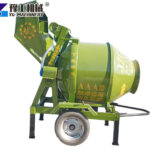
Mobile off-grid diesel concrete mixer

What Are the Different Types of Concrete Mixers?

Choosing the right concrete mixer is a critical decision for any construction project. Different projects require different mixing capacities, mobility options, and concrete quality standards.
Understanding the different types of concrete mixers helps contractors, builders, and equipment buyers select the most suitable solution while avoiding unnecessary costs or inefficiencies.

In this guide, we explain the main types of concrete mixers based on mixing principle, structure, mobility, capacity, power source, and application, with practical insights for real-world use.

1. Types of Concrete Mixers by Mixing Method

The mixing method directly affects concrete quality, efficiency, and application range.

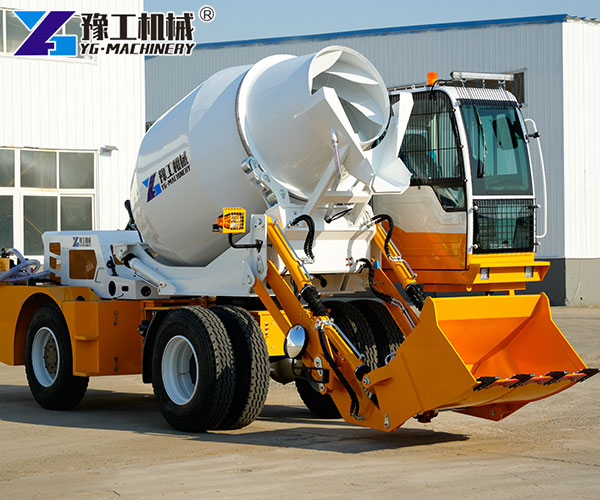
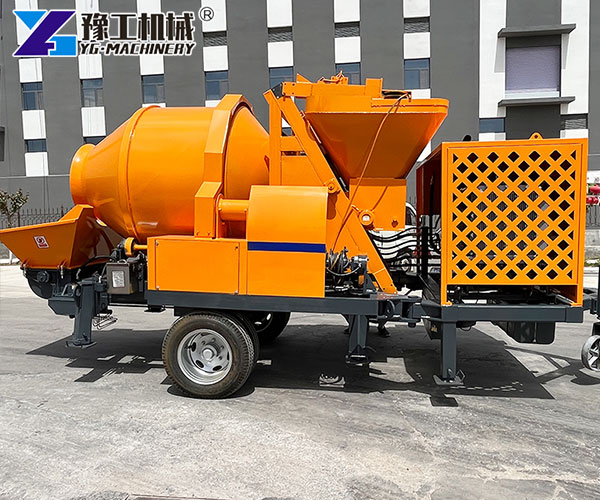
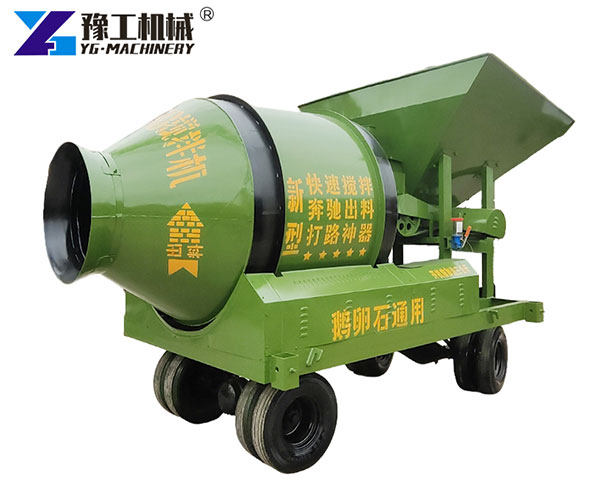
Mobile off-grid diesel concrete mixer
YG Diesel concrete mixer for sale

Request A Free Quote

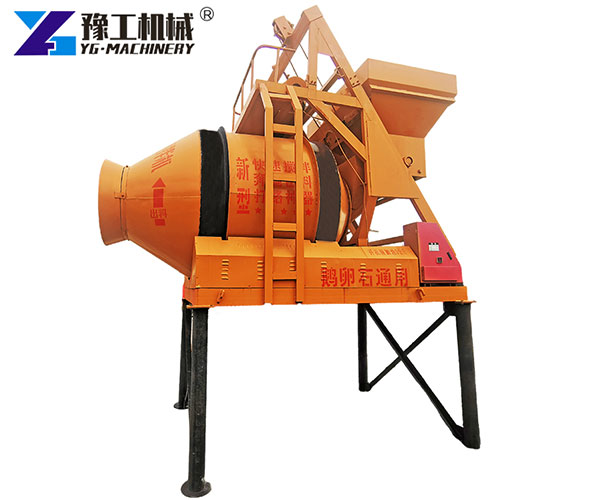
Forced Concrete Mixer (Compulsory Mixer)

How a forced concrete mixer works:
Forced concrete mixers use rotating shafts and mixing blades to actively mix materials. The mixing process does not rely on gravity.

Key features:

  • Actively rotating mixing blades
  • High mixing efficiency
  • Excellent mixing uniformity
  • Suitable for dry and high-strength concrete

Common models:

  • JS500 / JS750 / JS1000 / JS1500
  • Single-shaft and twin-shaft forced mixers

Typical applications:

👉 The mainstream choice for engineering applications

Gravity Concrete Mixer (Drum Mixer)

How gravity concrete mixer works:
Materials are mixed as the drum rotates, allowing concrete to tumble and mix by gravity.

Key features:

  • Simple structure
  • Lower equipment cost
  • Moderate mixing uniformity

Common models:

  • JZC350 / JZC500

Typical applications:

  • Rural housing construction
  • Small-scale building projects

👉 A cost-effective option for budget-sensitive users

Continuous vs. Batch Concrete Mixers (Work Cycle Classification)

In real construction practice, mixers are also classified by working cycle:

  • Continuous Concrete Mixers
    • Continuous feeding and discharge
    • Suitable for road construction and large infrastructure projects requiring an uninterrupted concrete supply
  • Batch Concrete Mixers
    • Concrete is mixed in fixed batches
    • Accurate material proportioning
      👉 Most concrete mixers on the market are batch-type mixers

Request A Free Quote

2. Types of Concrete Mixers by Structural Design

Structural design affects mixing speed, maintenance cost, and long-term reliability.

Single-Shaft Concrete Mixer

  • Compact structure
  • Easy maintenance
  • Medium mixing capacity

Commonly used in small batching systems.

Twin-Shaft Concrete Mixer

  • Two horizontal shafts rotating in opposite directions
  • Fast mixing speed
  • Excellent concrete uniformity
  • Suitable for high-grade concrete

👉 Preferred mixer for commercial batching plants and high-end projects

Planetary Concrete Mixer

  • Vertical shaft with planetary mixing paths
  • Multiple mixing trajectories
  • Extremely uniform mixing performance

Commonly used for UHPC, colored concrete, and other special concrete applications.

Other Structural Types

  • Drum Mixer: Mainly gravity-based
  • Pan Mixer: Circular pan with scraper blades, often used for precast components and small production lines

Request A Free Quote

3. Types of Concrete Mixers by Mobility

Mobility determines whether a mixer is suitable for fixed installations or frequent job-site relocation.

Stationary Concrete Mixer

  • Installed on a fixed foundation
  • Typically used as the core mixer in batching plants

Mobile Concrete Mixer

  • Equipped with wheels or trailer frames
  • Easy to transport between job sites

Suitable for:

  • Road construction
  • Dispersed or temporary construction sites

Extended Mobile Types

  • Trailer Concrete Mixer: Towed by trucks or tractors
  • Concrete Mixer Truck: Keeps concrete rotating during transportation for ready-mix delivery

Request A Free Quote

4. Types of Concrete Mixers by Functional Integration

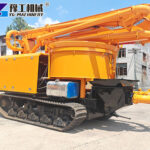
Single operator concrete mixing machine
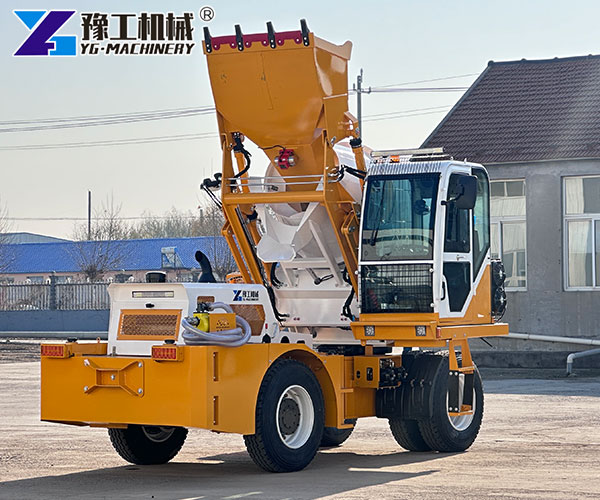
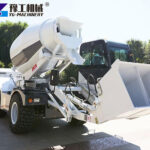
Heavy duty Self-loading mixer

Self-Loading Concrete Mixer

Key features:

  • Automatic loading
  • Built-in weighing system
  • Mixing, transportation, and discharge in one machine
  • One-person operation
  • No need for a concrete batching plant

Typical applications:

  • Small and medium construction projects
  • Overseas markets such as Africa, Southeast Asia, and South America

👉 One of the fastest-growing concrete mixer types in international markets

Concrete Mixer and Transport Integrated Machine

  • No automatic weighing system
  • Focused mainly on transportation
  • Commonly used in small ready-mix concrete operations

5. Types of Concrete Mixers by Discharge Method

Tilting (Skip) Concrete Mixer

  • Concrete is discharged by tilting or flipping the drum
  • Simple mechanical structure

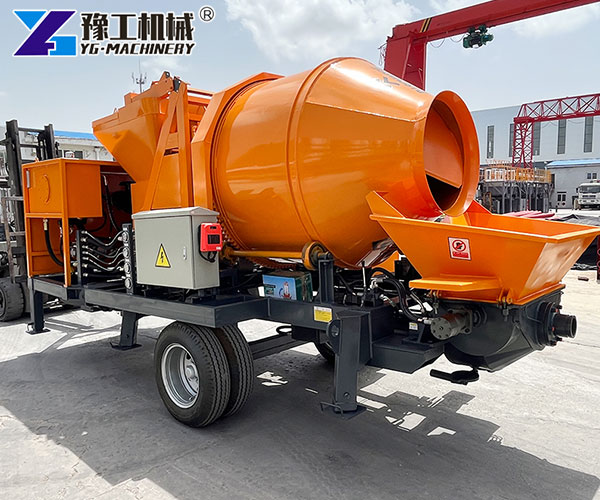
Concrete Mixer With Pump

  • Combines concrete mixing and pumping
  • Concrete is pumped directly after mixing
  • Reduces secondary handling

👉 Ideal for high-rise buildings and long-distance concrete placement

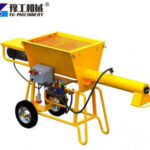
Integrated concrete mixer with pump
Compact concrete mixer pump machine

Request A Free Quote

6. Types of Concrete Mixers by Automation Level

Manual / Mechanical Concrete Mixer

  • Manual material feeding
  • Simple operation
  • Low initial investment

Fully Automatic Concrete Mixing System

  • PLC-controlled operation
  • Automatic batching, weighing, and data recording

👉 Standard configuration for commercial batching plants and standardized construction projects

7. Practical Selection Guide

Home or rural constructionGravity drum mixer
Commercial concrete plantTwin-shaft forced mixer
Small projectsSelf-loading concrete mixer
High-strength concretePlanetary mixer
High-rise constructionConcrete mixer pump

How to Choose the Right Concrete Mixer

When selecting a concrete mixer, consider:

  • Project size and duration
  • Concrete type and strength requirements
  • Site mobility and space limitations
  • Available power source

By understanding the different types of concrete mixers, buyers can narrow down the right solution and move from general research to specific equipment selection.

    Please feel free to give your inquiry in the form below. We will reply in 24 hours.


    Scroll to Top