Top, Professional and Reliable Manufacturer of Concrete Machinery – YG Machinery
IPhone/WeChat/WhatsApp: +86 13837159132
Gravity Concrete Mixer
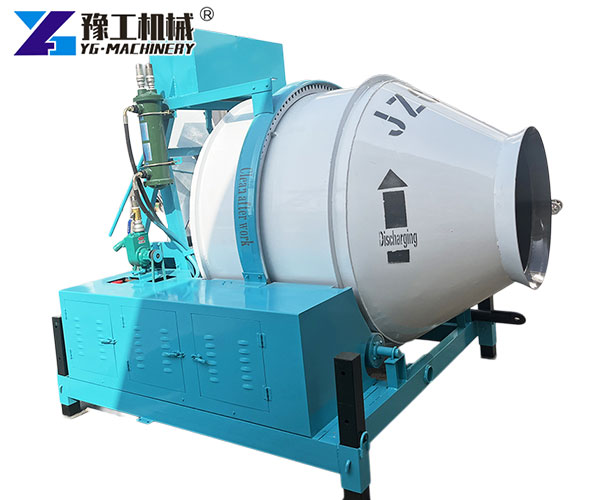
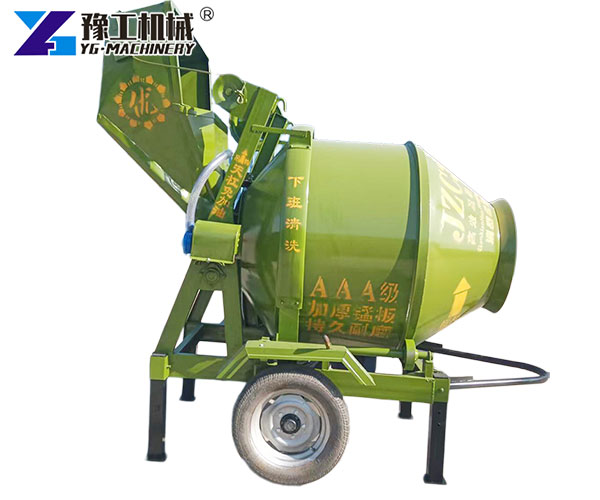
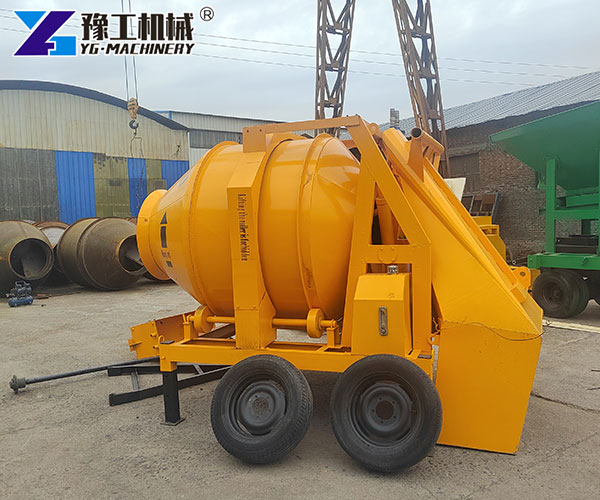
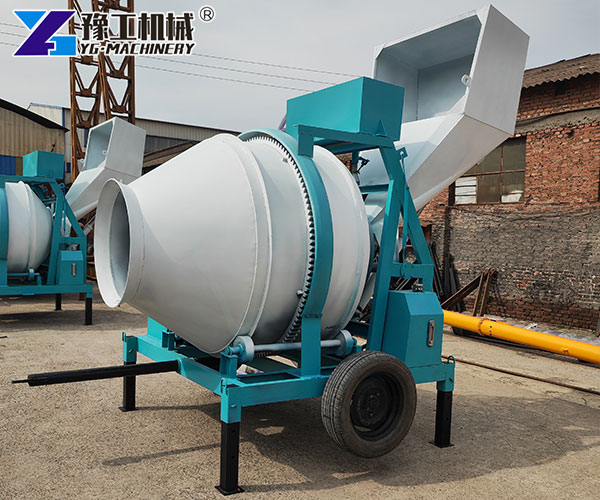
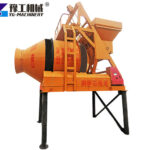
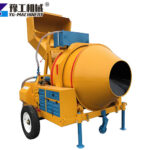
Gravity concrete mixer machine
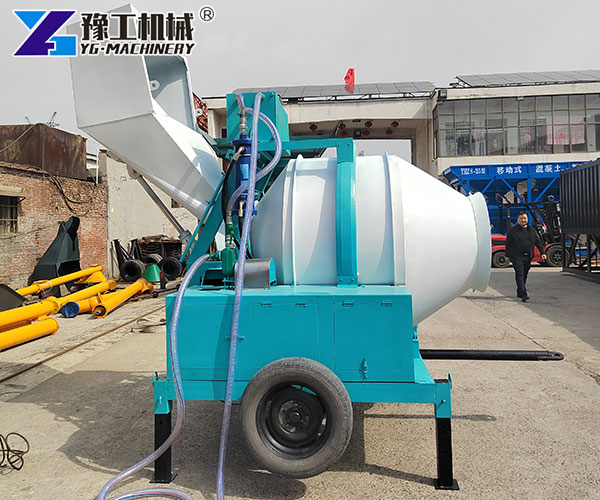
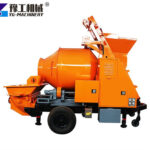
Gravity concrete mixer for small projects
A Gravity Concrete Mixer is one of the most practical concrete mixing solutions for construction teams that value simplicity, reliability, and cost control. This drum-based mixing machine is widely used on job sites where steady output and easy operation matter more than complex automation.
Compared with large industrial systems, this type of concrete mixer machine focuses on real site needs: simple structure, stable mixing performance, and flexible use in different environments. For contractors, builders, and equipment buyers in Europe and North America, it remains a trusted choice for daily concrete mixing tasks.
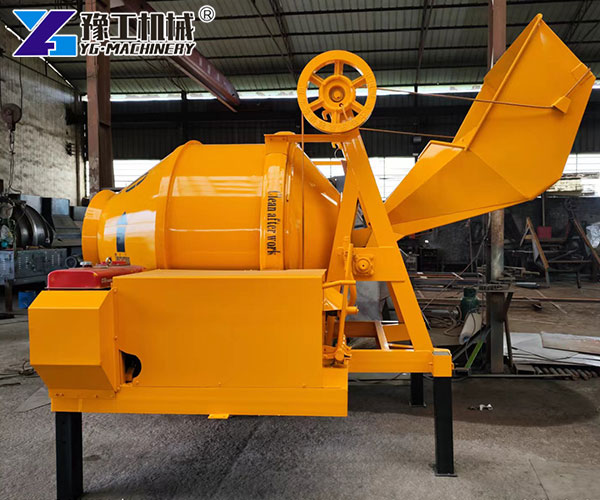
A Gravity Concrete Mixer is a drum-type concrete mixing machine that mixes materials by rotating a tilted drum. Inside the drum, fixed blades lift concrete materials and allow them to fall freely under gravity, creating a natural mixing process.
Definition And Working Principle
The mixer relies on gravity instead of forced mixing arms. As the drum rotates:
Cement, sand, and aggregates are lifted upward
Materials fall and roll inside the drum
Repeated movement creates a uniform concrete mix
This method reduces mechanical stress and keeps the structure simple.
Gravity concrete mixers remain popular because they solve real construction problems without unnecessary complexity.
Simple Structure And Low Maintenance Cost
Fewer moving parts
Easy inspection and cleaning
Lower repair frequency
This reduces long-term ownership cost.
Easy Operation For Small And Medium Projects
Short training time
Simple control system
Suitable for small crews
Operators can focus on productivity instead of machine management.
Good Portability And High Cost Performance
Compact design
Easy to move between sites
Competitive purchase price
This makes the mixer ideal for contractors handling multiple small jobs.
Gravity Concrete Mixers Application Cases
Building Construction Project
In a residential construction project in Eastern Europe, a contractor used a gravity concrete mixer to supply concrete for foundations, columns, and slabs. The mixer was placed near the material storage area, reducing transport time and labor cost.
Because the drum concrete mixer was easy to operate, one worker handled mixing while others focused on pouring and finishing. The stable output helped the project stay on schedule without investing in large batching equipment.
Rural And Civil Engineering Work
In a rural infrastructure project, the gravity concrete mixer was used for road repair and drainage channel construction. The site had limited power supply, so a diesel-driven mixer was selected.
The machine handled local aggregates well and required minimal maintenance. Its simple design allowed daily cleaning and inspection, extending service life even in harsh outdoor conditions.
Although versatile, a gravity concrete mixer is not suitable for every application.
It is not recommended for:
High-intensity, continuous concrete production
Very low-slump or dry concrete mixes
Projects requiring extremely precise mix ratios
In these cases, forced or twin-shaft mixers offer better control and output.
How To Choose The Right Gravity Concrete Mixer
Choosing the right mixer improves efficiency and reduces cost.
Capacity Selection
Small projects: 200–350L
Medium projects: 350–500L
Frequent use: larger drum capacity
Power Type
Electric motor for stable power supply
Diesel engine for remote job sites
Mobility Options
Fixed frame for workshop use
Wheel-mounted design for site movement
Trailer type for long-distance transport
Frequently Asked Questions
Q1: Is a gravity concrete mixer suitable for daily use? Yes, it is designed for regular site mixing with proper maintenance.
Q2: How long does one mixing cycle take? Usually 3–5 minutes depending on material and drum size.
Q3: Can the mixer handle different aggregate sizes? Yes, standard sand and gravel sizes are suitable.
Q4: Is operation difficult for beginners? No, basic training is enough for safe operation.
Q5: What maintenance is required? Regular cleaning, bolt checks, and lubrication are recommended.
Q6: Can the mixer be customized? Yes, capacity, power type, and mobility can be adjusted.
YG Machinery Advantages
Manufacturing And Quality Strength
Strict material selection
Stable welding and drum balance
Quality inspection before delivery
Customization And After-Sales Support
Capacity and power customization
Spare parts supply
Technical guidance and manuals
YG Machinery After-Sales Service
YG Machinery provides professional support including:
Installation guidance
Operation training
Long-term technical assistance
If you are planning to purchase a Gravity Concrete Mixer, contact YG Machinery today to receive detailed specifications and a suitable solution for your project.