Top, Professional and Reliable Manufacturer of Concrete Machinery – YG Machinery
IPhone/WeChat/WhatsApp: +86 13837159132
Kerb Stone Making Machine vs Slipform Kerb Machine
When choosing road construction equipment, many contractors face the same question: should they use a precast kerb solution or an on-site forming system? Kerb Stone Machine Vs Slipform is not just a technical comparison. It directly affects project cost, construction speed, labor needs, and final kerb quality.
Both machines are designed for kerb construction, but they work in very different ways. Understanding these differences helps buyers avoid wrong investments and select equipment that truly matches their project needs.
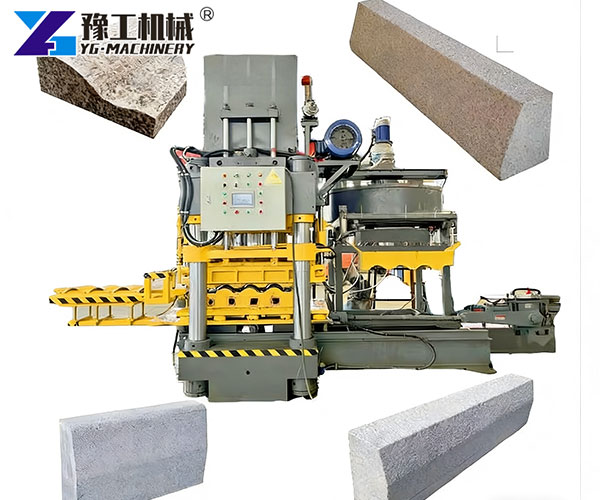
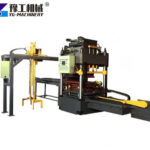
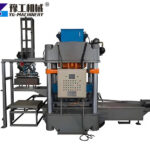
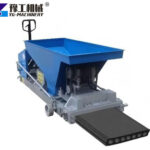
A kerb stone making machine is used to produce precast concrete kerbs in a fixed production area, such as a factory or yard. The kerbs are formed in molds, then cured and transported to the construction site for installation.
This type of machine focuses on standardization and batch production. It is widely used by precast concrete manufacturers and contractors who supply kerbs to multiple projects.
Typical characteristics include:
Mold-based shaping system
Stable vibration or pressing structure
Fixed production location
High consistency in kerb size and strength
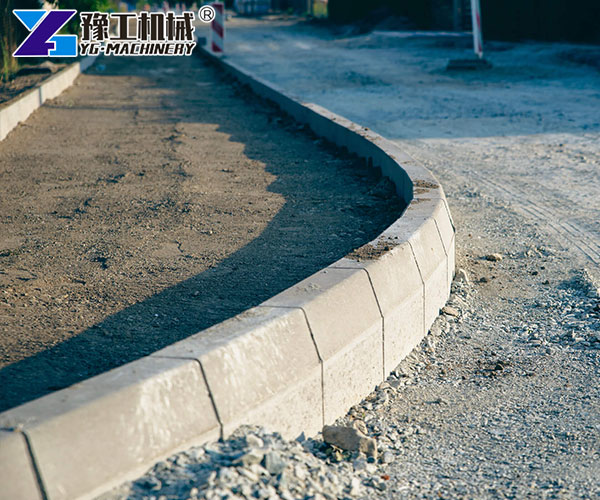
Precast kerbs made by this machine are easy to store, transport, and install when needed.
Concrete kerb making machine
What Is A Slipform Kerb Machine
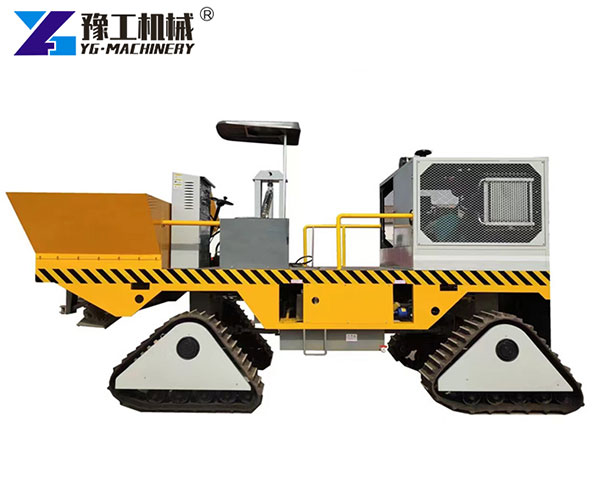
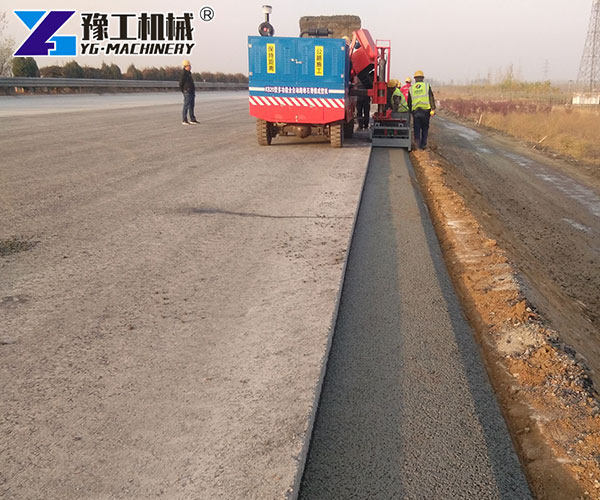
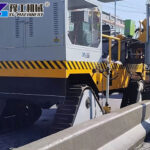
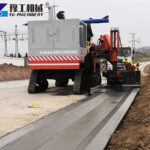
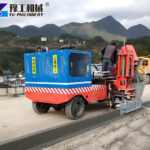
A slipform kerb machine forms concrete kerbs directly on the road surface during construction. Instead of producing kerbs in advance, the machine moves forward and continuously shapes fresh concrete into kerbs.
This machine is commonly used for long road sections where kerbs need to be built in one continuous line. It reduces the need for lifting and transporting precast elements.
Key features include:
On-site forming process
Continuous kerb construction
Mobile machine operation
No precast storage required
Slipform kerbs cure in place and become part of the road structure.
Slipform Kerb Machine
Kerb Stone Making Machine Vs Slipform Kerb Machine: Working Principle
The main difference between these two machines lies in how and where the kerbs are formed.
Kerb stone making machine:
Concrete is poured into molds
Vibration or pressure compacts the material
Kerbs are removed after forming
Curing happens separately
Slipform kerb machine:
Concrete is fed continuously
The machine shapes kerbs while moving
No molds are removed
Kerbs curve directly on the road
This difference affects construction planning, manpower, and site organization.
Precast Kerb Vs Slipform Kerb: Application Scenarios
Choosing between precast and slipform kerbs depends largely on the project type.
Precast kerbs are suitable for:
Urban roads with complex layouts
Projects requiring different kerb sizes
Municipal supply for multiple sites
Areas with limited on-site working time
Slipform kerbs are suitable for:
Long straight roads
Highway and rural road construction
Projects with continuous kerb design
Sites with enough working space
Understanding these scenarios helps avoid using the wrong machine type.