Top, Professional and Reliable Manufacturer of Concrete Machinery – YG Machinery
IPhone/WeChat/WhatsApp: +86 13837159132
Continuous Concrete Mixer
Continuous concrete mixer machine
Continuous mixing of concrete equipment
Modern construction projects often require a stable and uninterrupted supply of concrete. Delays caused by batch mixing, waiting time, or uneven quality can slow down progress and increase costs. For projects with long pouring schedules and steady material demand, a continuous mixing solution becomes more practical. A Continuous Concrete Mixer is designed to meet this need by providing non-stop concrete production with consistent quality. It focuses on efficiency, smooth workflow, and reduced downtime, making it a reliable choice for specific construction environments where continuous pouring is required.
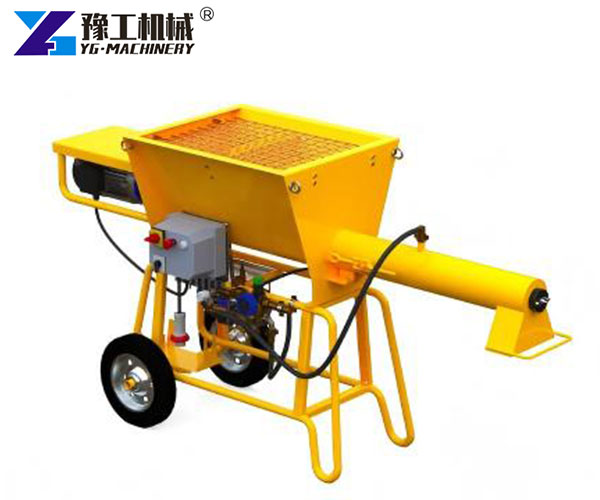
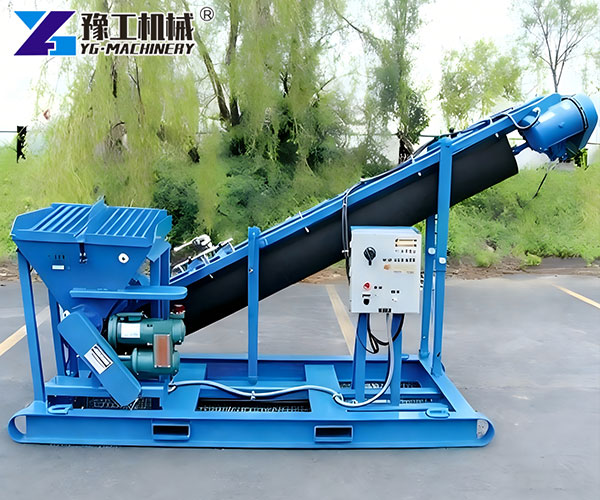
A continuous concrete mixer, also known as a continuous-action mixer, is a specialized device designed for non-stop concrete production. It adopts a synchronous operation mode of “continuous input-mixing-output”, accurately controlling the feeding rate of raw materials (cement, sand, aggregate, water) to match the discharging rate. Raw materials are continuously transported into the mixing chamber through precision metering devices, fully mixed by rotating blades as they advance toward the discharge port, and finally discharged as finished concrete in a steady flow. This working principle eliminates the downtime between batches, making it ideal for projects requiring a large-volume concrete supply.
WhatsApp/WeChat/Phone: 86 138 3715 9132
How A Continuous Concrete Mixer Works
The working system of a continuous concrete mixer machine is based on controlled material flow and stable mixing speed. Each component plays a role in maintaining consistent concrete quality.
Continuous Material Feeding System
Aggregates are supplied by belt or hopper
Cement is added at a controlled rate
Water is injected automatically
Mixing Structure
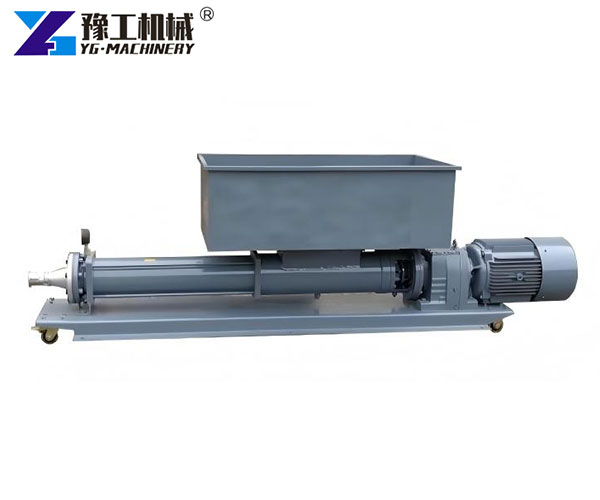
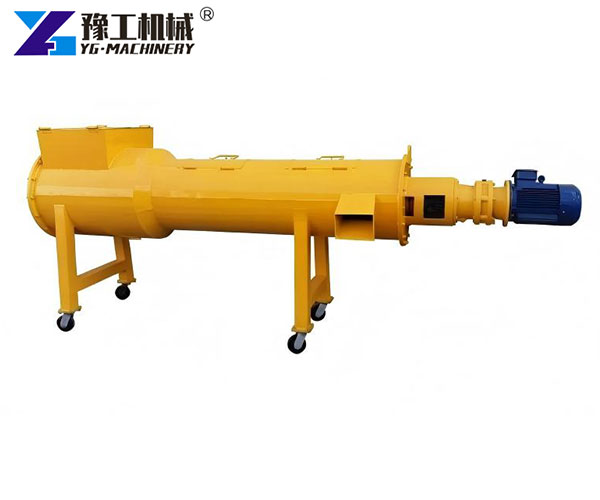
Most machines use a screw-type or forced mixing chamber. Materials move forward while being mixed, which ensures full blending before discharge.
Stable Mixing Ratio And Automatic Control
Pre-set mix ratios control material input
Sensors help maintain balance during operation
Less human adjustment is required
Reduced Waiting And Downtime
Because mixing never stops, there is no idle time between cycles. This allows continuous mixing of concrete equipment to support long pouring tasks with higher efficiency.
Key Advantages Of A Continuous Concrete Mixer
Stable And Consistent Concrete Output
Continuous mixing keeps the concrete uniform throughout the operation.
Less variation in strength and workability
Ideal for long pours without quality gaps
Reduced risk of weak sections in concrete
Higher Productivity For Long Pouring Jobs
Compared with batch systems, a continuous batching concrete mixer supports steady output.
Suitable for roads, foundations, pipelines, and precast work
Continuous concrete mixers are widely used in projects that require a stable and ongoing concrete supply.
Common applications include:
Road and bridge construction
Infrastructure projects with long pouring sections
Precast concrete production lines
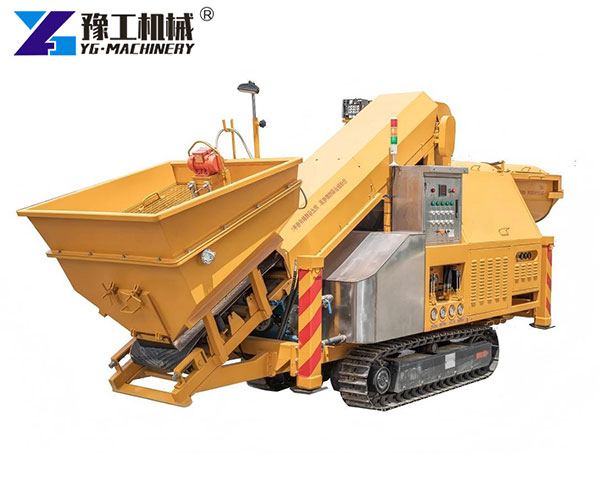
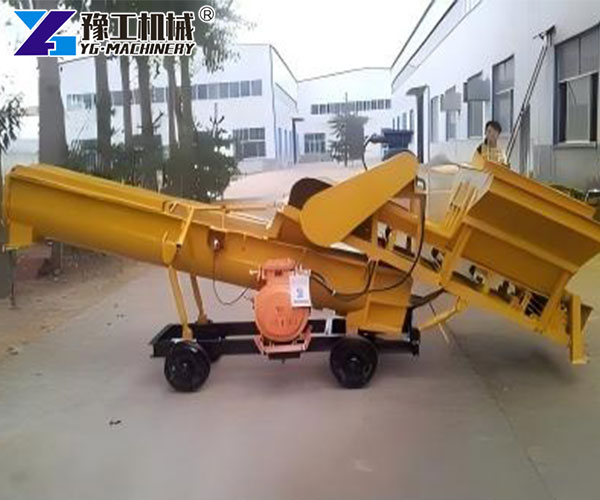
Mobile or on-site concrete mixing systems
These projects share one key feature: continuous feeding and continuous pouring, where stopping the concrete flow can affect quality and progress.
When A Continuous Concrete Mixer Is Not The Best Choice
Although powerful, a continuous concrete mixer is not suitable for every situation. Understanding its limits helps buyers make better decisions.
It may not be ideal for:
Small projects with low concrete demand
Jobs that require frequent mix ratio changes
Work that needs very precise small-batch dosing
Sites with unstable material supply
The right equipment choice depends on the project type. In many cases, selecting the correct mixer matters more than choosing the most advanced machine.
Continuous Concrete Mixer Vs Batch Concrete Mixer
Both systems have their strengths, but they serve different construction needs.
Working Method
Continuous mixer: non-stop operation
Batch mixer: cycle-based mixing
Output And Construction Rhythm
Continuous systems suit long pours
Batch systems suit flexible or small-scale jobs
Operation And Maintenance
Continuous mixers need a stable material supply
Batch mixers offer easier mix changes
Choosing between them depends on project size, pouring time, and quality control needs.