Top, Professional and Reliable Manufacturer of Concrete Machinery – YG Machinery
IPhone/WeChat/WhatsApp: +86 13837159132
Concrete Boom Pump vs Trailer Pump: How to Choose
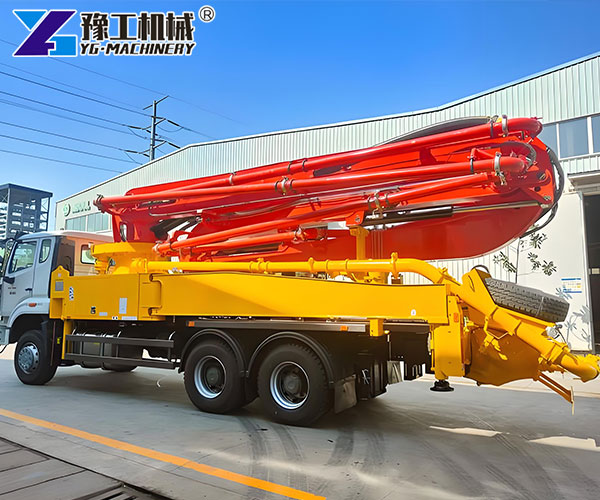
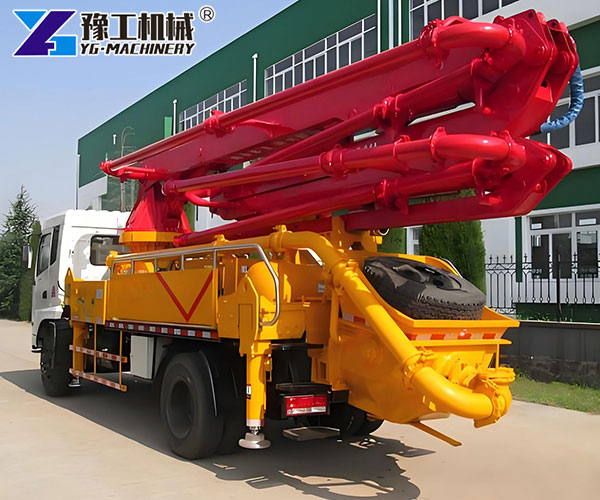
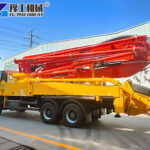
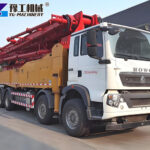
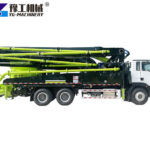
concrete boom pump
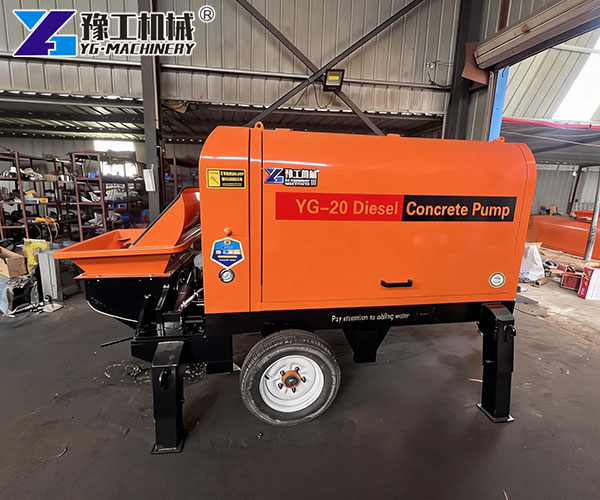
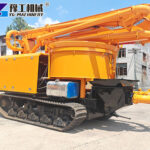
concrete trailer pump
Choosing the right concrete pump can directly affect construction speed, labor cost, and project safety. Many contractors compare concrete boom pump vs trailer pump before making a purchase. Although both machines are used for concrete pumping, their working methods, cost structure, and job-site performance are very different.
This guide explains the key differences simply, helping you choose the right concrete pumping solution based on real project needs.
Understanding Concrete Boom Pump And Concrete Trailer Pump
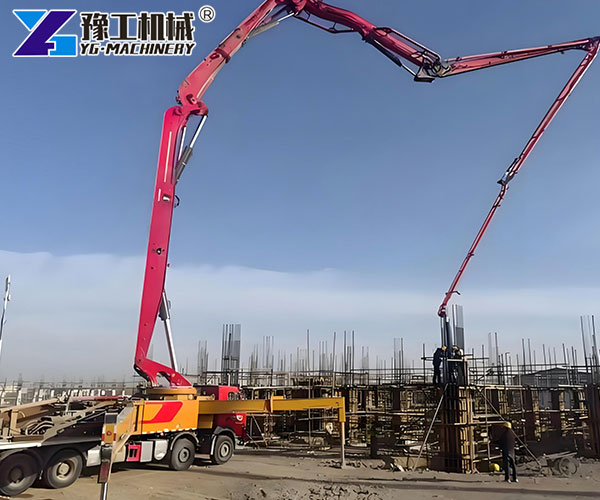
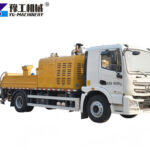
A concrete boom pump is a truck-mounted pump equipped with a hydraulic placing boom. The boom can move concrete directly to the pouring area at height or distance. Pumping and placing are done by one machine.
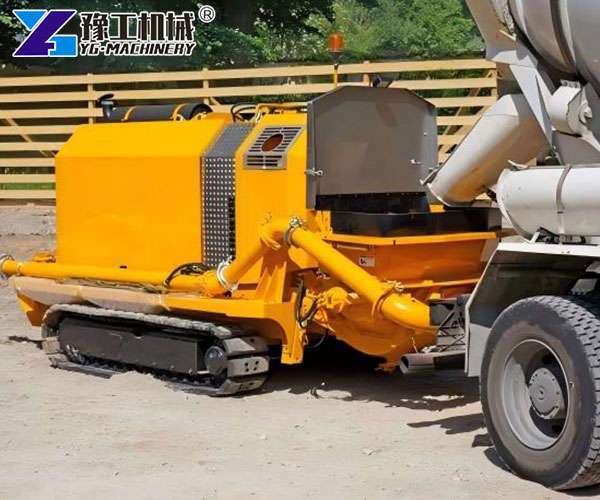
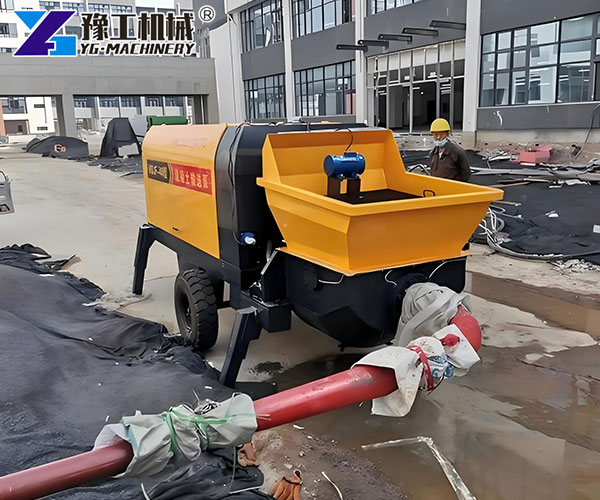
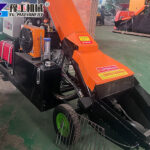
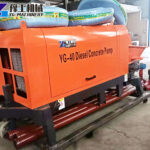
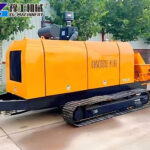
A concrete trailer pump is a stationary pumping unit. Concrete is delivered through steel pipes or rubber hoses that must be laid manually on site.
The main difference is clear:
Boom pump = pumping + placing
Trailer pump = pumping only
This structural difference leads to different applications, costs, and labor needs.
How Concrete Boom Pump And Trailer Pump Work On Site
Understanding how each machine works helps avoid wrong equipment selection.
How A Concrete Boom Pump Works
Concrete is pumped through the pipeline inside the boom
The boom is controlled by hydraulic systems
Concrete is placed directly where needed
This method reduces manual pipe movement and speeds up work, especially for high-rise jobs.
How A Concrete Trailer Pump Works
Concrete is pumped through fixed pipes or hoses
Workers install and adjust pipes manually
Placement depends on pipe layout
Trailer pumps are flexible but require more labor during setup and operation.
Concrete Boom Pump Vs Trailer Pump In Real Applications
Real job-site conditions decide which pump performs better.
Concrete Boom Pump For High-Rise And Large Projects
A concrete boom pump is commonly used in:
High-rise buildings
Large foundations
Bridges and infrastructure projects
Main advantages include:
Long vertical and horizontal reach
Faster concrete placing
Less dependence on manual labor
For projects with height, distance, or tight schedules, boom pumps offer strong efficiency.
Concrete Trailer Pump For Ground-Level And Small Jobs
A concrete trailer pump is more suitable for:
Low-rise buildings
Ground-level foundations
Small and medium projects
Its key benefits are:
Lower equipment cost
Easy transport
Flexible pipe arrangement
In many cases, trailer pumps are a practical choice when height is limited.
Boom Pump Vs Trailer Pump: Cost And Efficiency Comparison
Cost is a major concern when comparing a boom pump vs trailer pump.
Initial Equipment Cost
Boom pumps have a higher purchase price
Trailer pumps are more budget-friendly
Labor And Operation Cost
Boom pumps reduce labor needs
Trailer pumps require more workers for pipe setup
Long-Term Efficiency
Boom pumps save time on large projects
Trailer pumps work well for shorter pouring cycles
This concrete pump comparison shows that higher equipment cost does not always mean higher total project cost.
Which Concrete Pump Is Right For Your Project?
There is no single best answer. The right choice depends on your project conditions.
Consider these factors:
Pouring height and distance
Project size and duration
Job-site access and space
Available labor and budget
If your project needs fast placement at height, a boom pump is often the better option. If flexibility and lower cost are priorities, a trailer pump may be enough.
When A Concrete Boom Pump Is Not The Best Choice
A boom pump is powerful, but not always necessary.
It may not be suitable for:
Very small projects
Short pumping distance
Limited budget projects
In these cases, the investment may be higher than required.
When A Concrete Trailer Pump Is Not Recommended
A trailer pump also has clear limits.
It may not work well for:
High-rise construction
Large continuous concrete pouring
Job sites with limited labor
Manual pipe handling can slow down work and increase safety risks.
Choosing the right concrete pumping equipment is not about buying the biggest machine. It is about matching equipment to real needs.
Helpful tips:
Avoid overbuying for small projects
Consider long-term operating cost
Check after-sales support and spare parts
Proper selection improves project efficiency and reduces future problems.
FAQs About Concrete Boom Pump And Trailer Pump
Is a concrete boom pump faster than a trailer pump? Yes, especially for high and large pouring areas.
Does a trailer pump need more workers? Yes, pipe installation and adjustment need manual labor.
Can a trailer pump replace a boom pump? Only for low-height and small projects.
Which pump is easier to operate? Boom pumps reduce manual work but need trained operators.
Which one is better for a rental business? Trailer pumps are often easier for small rental markets.
Understanding concrete boom pump and trailer pump helps contractors avoid wrong purchases and control project cost. The correct equipment improves safety, speed, and concrete quality across different construction projects.