Top, Professional and Reliable Manufacturer of Concrete Machinery – YG Machinery
IPhone/WeChat/WhatsApp: +86 13837159132
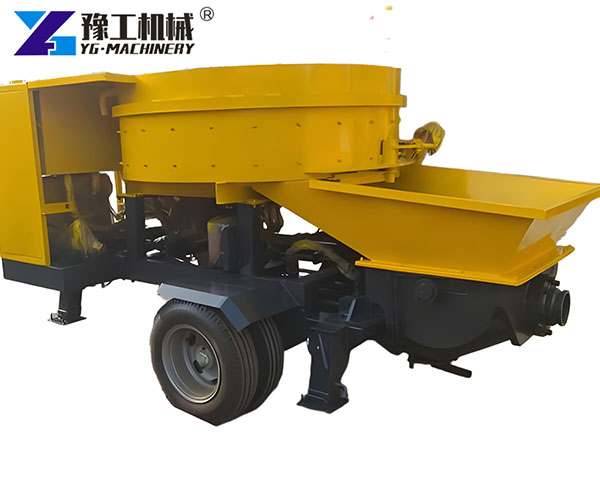
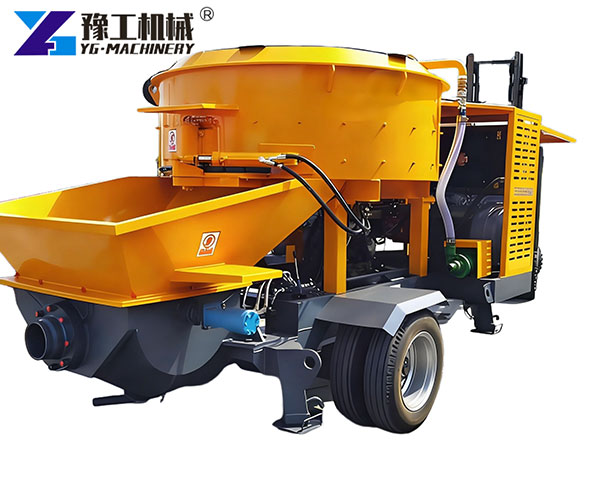
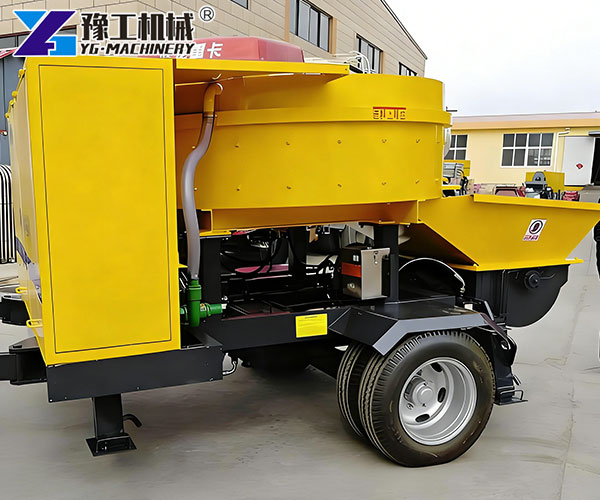
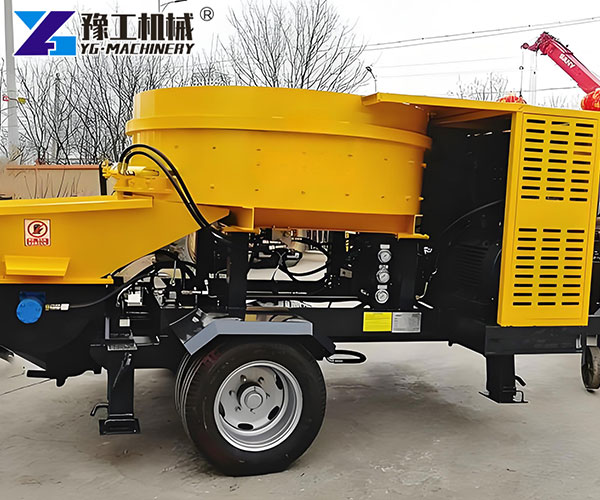
Vertical Shaft Concrete Mixer Pump
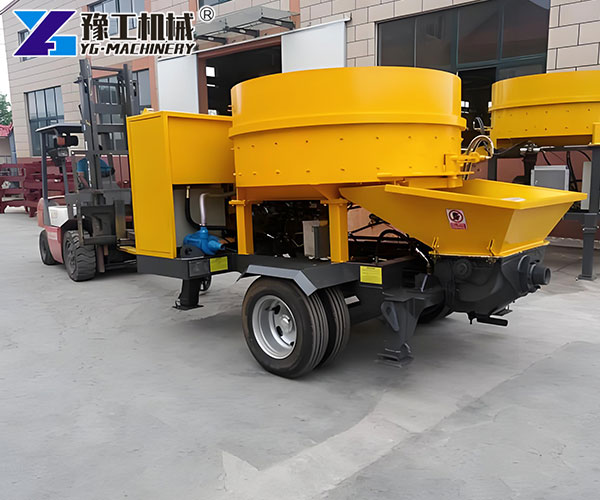
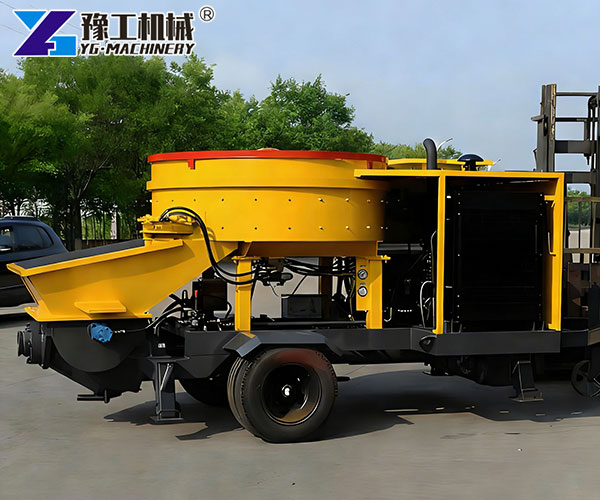
vertical shaft concrete mixer pump machine
vertical shaft concrete mixer pump
On many small and medium construction sites, concrete supply is a constant challenge. Ready-mix trucks may arrive late or may not enter the site. Manual mixing takes too much time, costs more labor, and often leads to uneven concrete quality. These problems slow down progress and increase overall project risk.
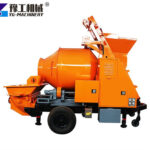
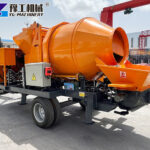
The Vertical Shaft Concrete Mixer Pump is designed to solve these issues directly on site. It combines a vertical shaft mixing system with a concrete pumping unit in one compact machine. This integrated solution allows contractors to mix fresh concrete and pump it to the pouring area without extra handling. For projects that require stable quality and flexible operation, this machine offers a practical and reliable choice.
A Vertical Shaft Concrete Mixer Pump is not just a traditional mixer with a pump added. It is a purpose-built system where mixing and pumping are designed to work together from the start.
The key feature is the vertical shaft mixing structure. Instead of a rotating drum, the mixer uses vertical blades that force materials to move and mix from top to bottom. This method creates a more even mix, especially for fine aggregate concrete.
Compared with drum-type mixer pumps, this design offers:
Stronger forced mixing action
Less material sticking to the wall
More stable concrete consistency
Better preparation for pumping
Because of these characteristics, this machine is well-suited for on-site pouring, especially when concrete quality must remain stable during pumping.
WhatsApp/WeChat/Phone: 86 138 3715 9132
Vertical Shaft Concrete Mixer Pump Parameters
Items
Units
Parameters
Whole Machine Performance
–
–
Max. Theo. Concrete Output
m³/h
40
Mixing Capacity per Hour of Mixer
m³
22.5
Rated Feeding Capacity of Mixer
L
1200
Rated Discharging Capacity of Mixer
L
750
Max. Concrete Pumping Pressure
MPa
9
Distribution Valve Type
–
S Valve
Concrete Cylinder Diameter×Stroke
mm
Ф180×1000
Hopper Capacity
L
600
Outlet Diameter
mm
Ф150
Power System
–
–
Diesel Engine Model
–
WEICHAI DEUTZ
Rated Power
kW
82
Rated Rotate Speed
r/min
2200
Hydraulic System
–
–
Hydraulic Circuit Type
–
Open Circuit
Pumping System Oil Pressure
MPa
31.5
Mixing System Oil Pressure
MPa
6
Hydraulic Oil Tank Capacity
L
350
Max. Conveying Distance (Vertical/Horizontal)
m
100/400
Other Parameters
–
–
Max. Aggregate Diameter (Scree)
mm
40, 50
Inside Diameter of Concrete Conveying Pipe
mm
Ф125
Overall Dimensions (Length×Width×Height)
mm
3800×2200×2100
Total Weight
kg
5600
Structural Design Of Vertical Shaft Concrete Mixer Pump
The performance of this equipment comes from its balanced and compact structure. Each main part is designed for job-site use rather than factory production.
The vertical shaft mixer uses multiple blades to force materials to move in different directions. This reduces dead zones inside the mixing chamber and helps cement, sand, and stone mix evenly.
The pumping system is matched to the mixer output. Depending on the configuration, it can use a screw or piston pumping logic. The goal is not high pressure, but smooth and steady delivery.
The integrated frame design keeps the footprint small. This makes the machine easy to place near the work area, even on sites with limited space. All main systems are mounted on one frame, which simplifies transport and setup.
Core Functions: Mixing And Pumping In One Machine
As a concrete mixer pump, this machine brings real value by combining two key steps into one process.
Mixing and pumping work together in a continuous flow. Fresh concrete moves directly from the mixer into the pumping system, which reduces waiting time and avoids material separation.
Key functional benefits include:
No need for extra transfer equipment
Less concrete waste during handling
Continuous operation for a steady work rhythm
This integrated workflow is especially helpful for small teams that want to keep work moving without adding more machines or workers.
Vertical shaft mixing focuses on forced movement rather than rolling motion. Compared with drum mixing, it creates stronger interaction between materials.
This method is more suitable for:
Fine stone concrete
Mixes that require high uniformity
On-site pouring with short transport distance
Concrete consistency has a direct effect on pumping stability. When the mix is even, the pumping process becomes smoother and more predictable. This is why the Vertical Shaft Concrete Mixer Pump is often chosen for projects where quality control matters as much as speed.
Applications And Suitable Job Sites (Small Concrete Mixer Pump)
As a small concrete mixer pump, this machine is widely used in real construction scenarios rather than large industrial projects.
Common applications include:
Small residential buildings and houses
Secondary structure, such as columns and beams
Foundations and base slabs
Rural and remote job sites with limited access
Construction areas with narrow paths or tight layouts
It is also used as a concrete mixing and pumping machine for teams that need flexible movement and on-site production without depending on external supply.
When A Vertical Shaft Concrete Mixer Pump Is Not Recommended
Although versatile, this machine is not suitable for every situation. Knowing its limits helps contractors choose the right equipment.
It is not recommended for:
Concrete with very large aggregate size
Long-distance pumping or very high lifting height
Large-scale commercial projects with continuous high output needs
In these cases, a concrete batching plant or a large pump truck may be a better option. The Vertical Shaft Concrete Mixer Pump is designed for efficiency on small to medium job sites, not for mass production.
Key Advantages For Contractors And Small Construction Teams
From a contractor’s point of view, equipment must be practical, cost-effective, and easy to manage. This machine meets those expectations well.
Main advantages include:
One machine handles two tasks
Lower investment compared to separate equipment
Reduced labor dependence
Better control over concrete cost and schedule
These benefits help small teams stay competitive and manage projects with fewer resources.
How To Choose The Right Vertical Shaft Concrete Mixer Pump
Choosing the right model depends on real project needs rather than maximum specifications.
Key points to consider:
Match mixing capacity to daily concrete demand
Select a suitable mixing structure for the aggregate size
Check the pumping distance and height requirements
Consider site space and power supply conditions
Making the right choice improves efficiency and avoids unnecessary costs. This step also helps prepare users for equipment inquiry and technical discussion.
Vertical Shaft Concrete Mixer Pump Manufacturer
YG Machinery focuses on manufacturing construction equipment designed for real job-site conditions. The Vertical Shaft Concrete Mixer Pump is developed for contractors who need stable mixing, smooth pumping, and easy operation on small and medium projects.
YG provides practical engineering design, flexible configuration options, and reliable after-sales service. Equipment support, spare parts supply, and technical guidance help users keep machines running smoothly throughout their service life.