Top, Professional and Reliable Manufacturer of Concrete Machinery – YG Machinery
IPhone/WeChat/WhatsApp: +86 13837159132
Types Of Concrete Pump Trucks
Concrete pumping equipment comes in several designs to match different construction needs. Many buyers only know one or two models, but in reality, there are multiple categories. Understanding all types helps contractors choose the right machine for efficiency, cost control, and project success. Below is a clear guide to the main concrete pump truck types, including the ones you already use and other important models in the market.
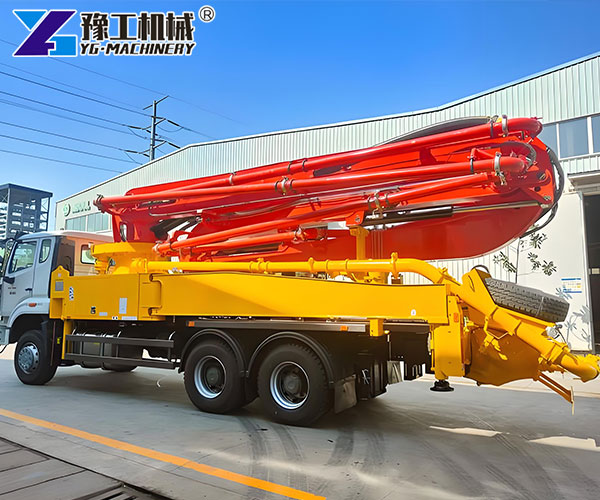
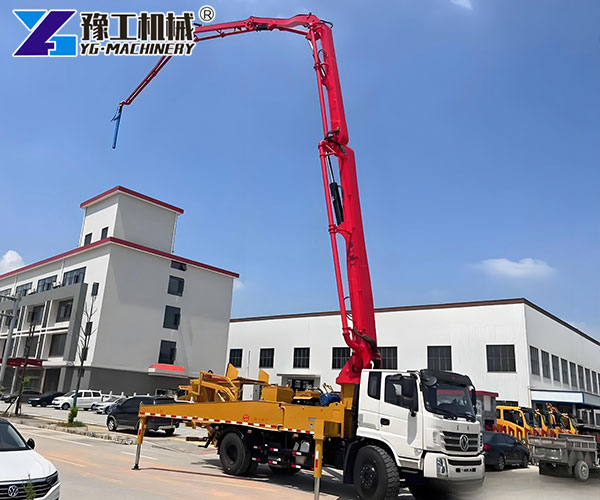
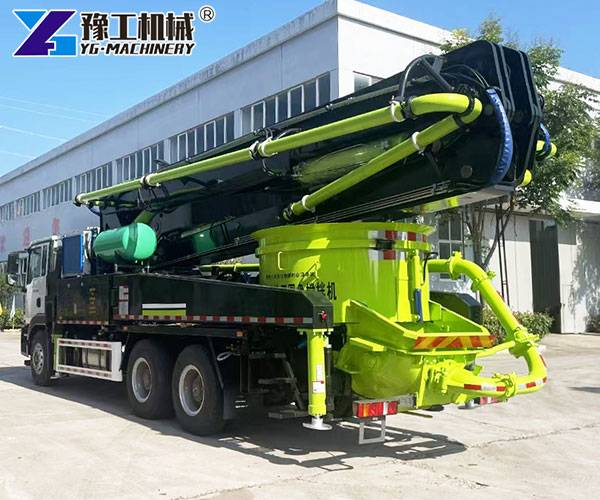
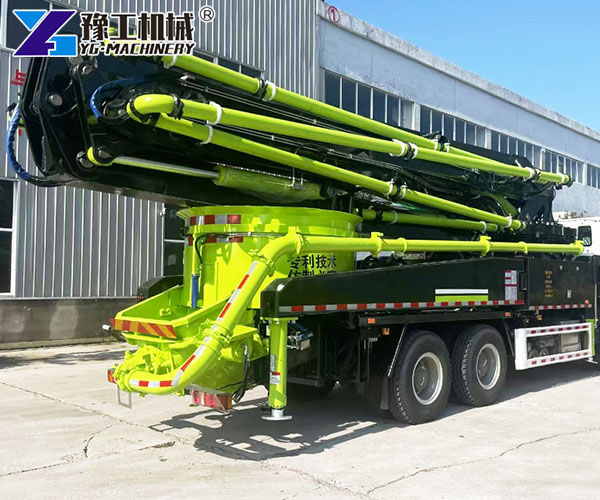
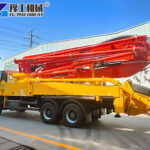
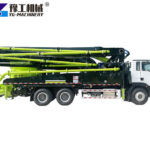
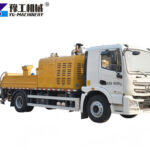
Concrete Boom Pump Truckis the most common type. It has a truck chassis, a pumping system, and a folding boom arm. It does not mix concrete. Instead, it pumps ready-mixed concrete delivered by mixer trucks.
Advantages
Very high pumping efficiency
Long horizontal and vertical reach
Ideal for large projects
Continuous concrete supply
Best Use Scenarios
High-rise buildings
Bridges
Commercial foundations
Large infrastructure projects
Limitations
Requires separate mixer trucks
Higher purchase cost
Needs a wider working space
This type is best for contractors who already have a stable concrete supply system.
Crawler Concrete Boom Pump Mixer (Tracked With Mixer)
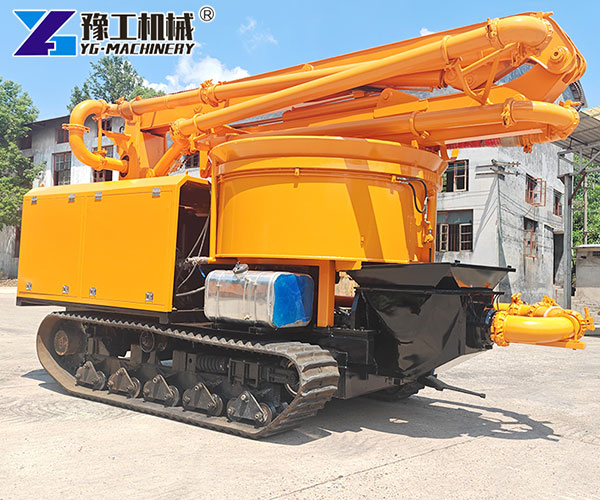
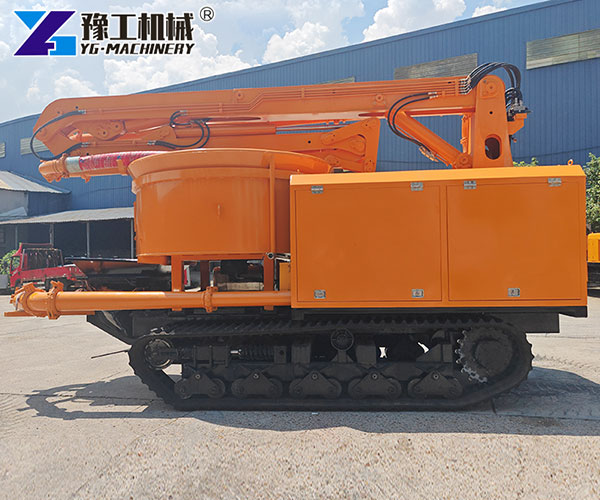
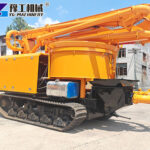
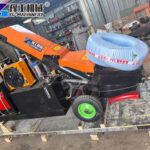
Crawler Concrete Boom Pump Mixer combines mixing + pumping + crawler mobility. It has a vertical mixer mounted on a tracked chassis and a placing boom. It can move on rough ground where trucks cannot operate.
Advantages
Works on mud, slopes, and soft soil
No need for ready-mix delivery
Stable on uneven terrain
Suitable for remote sites
Best Use Scenarios
Mountain construction
Rural housing projects
Tunnel work
Foundation jobs in rough terrain
Difference From Standard Pump Truck
Can mix concrete on site
Moves like an excavator
Works without roads
This type is ideal when transportation conditions are difficult.
Thewheel-type concrete pump mixer truck is similar to the crawler model but uses wheels instead of tracks. It also integrates a vertical mixer and pump system.
Advantages
Faster travel speed than the crawler type
Easy relocation between sites
Lower fuel consumption
Suitable for urban and rural roads
Best Use Scenarios
Small construction companies
Residential buildings
Roadside projects
Medium-size pours
Difference from the Crawler Model
Better speed
Less off-road ability
Lower transport cost
This type balances mobility and performance, making it popular among contractors who work at multiple sites.
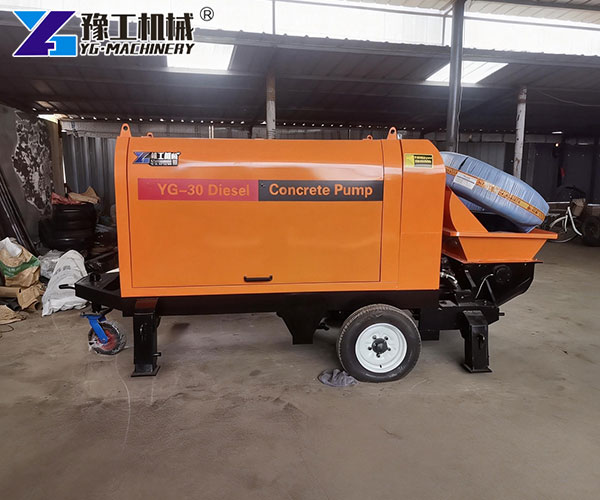
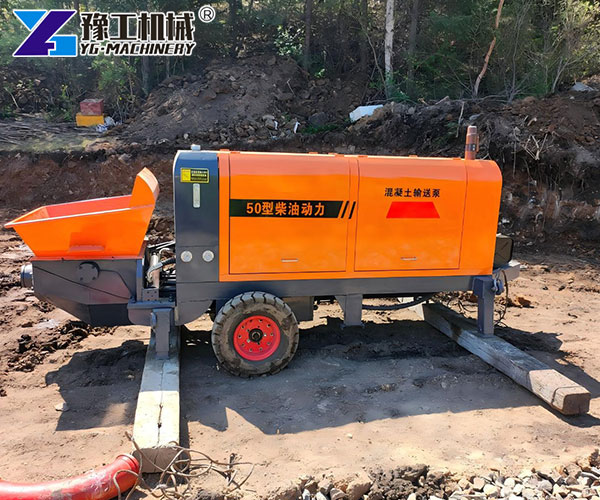
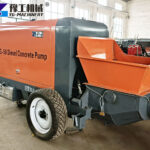
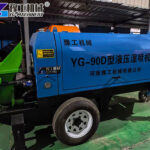
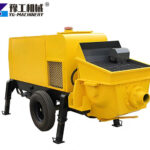
Although not a truck itself, the Trailer Concrete Pump is important. A trailer pump is towed by a vehicle and pumps concrete through pipelines.
Advantages
Very affordable
Lightweight and compact
Easy transport
Simple operation
Best Use Scenarios
Small contractors
Rural construction
Low-rise buildings
Repair projects
Difference From Pump Trucks
Needs a towing vehicle
No boom arm
Lower output
It is often chosen by startups or budget-focused buyers.
Truck-Mounted Concrete Mixer Pump (Drum Type)
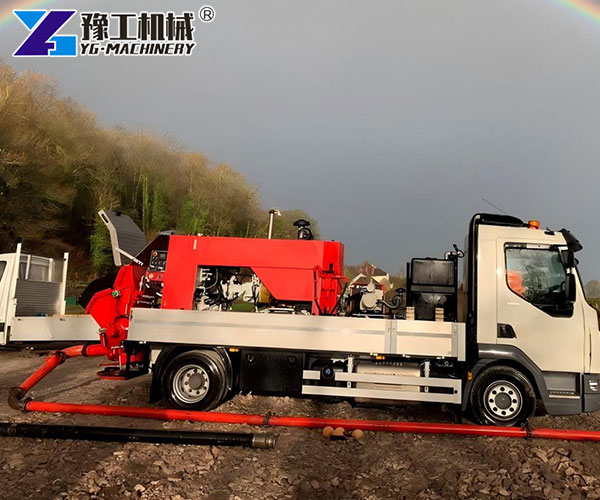
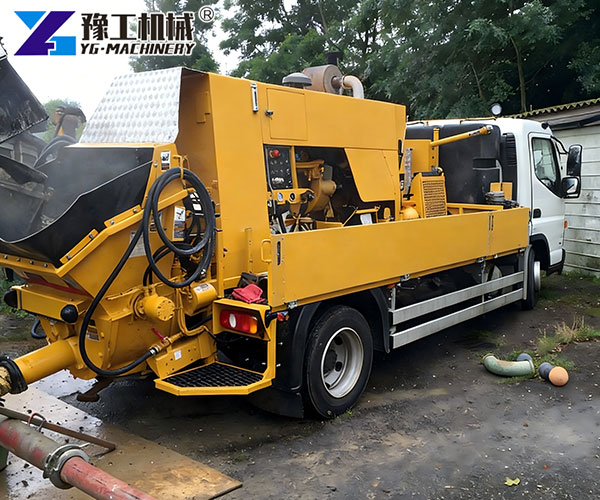
Unlike vertical mixer models, this type uses a rotating drum mixer mounted on a truck chassis. It mixes concrete while traveling and pumps it at the site.
Advantages
Combines transport, mixing, and pumping
Saves labor costs
Fast setup
High efficiency for small projects
Best Use Scenarios
Village housing
Small foundations
Remote job sites
Quick construction tasks
Difference From Vertical Mixer Pump Trucks
Drum mixing instead of vertical mixing
Higher transport efficiency
Slightly larger size
Key Differences Between All Types
When comparing categories, the main distinctions appear in these aspects:
Mobility
Tracks → best off-road
Wheels → best road travel
Trailer → towable flexibility
Function
Pump only → needs concrete supply
Pump + mixer → independent work
Capacity
Boom truck → highest output
Mixer pump truck → medium output
Trailer pump → lower output
Cost Level
Boom pump truck → highest
Mixer pump truck → medium
Trailer pump → lowest
Understanding these differences helps buyers match machine type with project needs.
How To Choose The Right Type
Before purchasing, contractors should evaluate real working conditions rather than choosing the most powerful machine.
Important selection factors:
Daily concrete demand
Site terrain condition
Transportation distance
Budget range
Labor availability
For example:
Large city project → boom pump truck
Mountain project → crawler mixer pump
Small contractor → trailer pump
Choosing correctly improves productivity and reduces operating cost.
Why Knowing All Types Matters
Many buyers only compare price, but machine category has a bigger impact on project efficiency. Selecting the wrong type may cause:
Low productivity
High fuel cost
Transport difficulty
Safety risk
Knowing the full range of concrete pump truck types helps contractors invest wisely and avoid equipment mismatch.