Top, Professional and Reliable Manufacturer of Concrete Machinery – YG Machinery
IPhone/WeChat/WhatsApp: +86 13837159132
Mini Stone Crusher Machine
mini stone crusher machine
portable stone crusher mobile operation
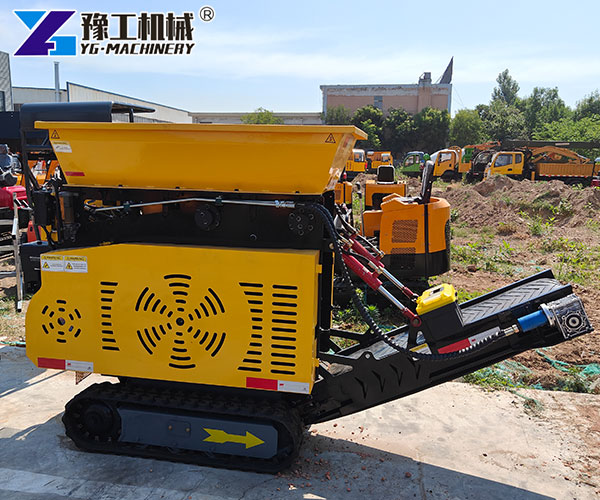
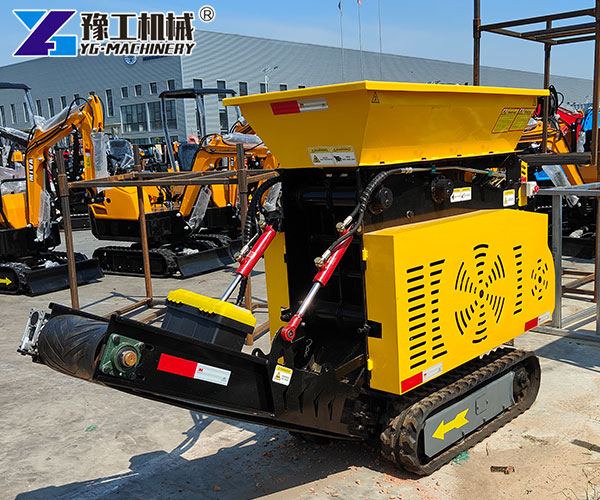
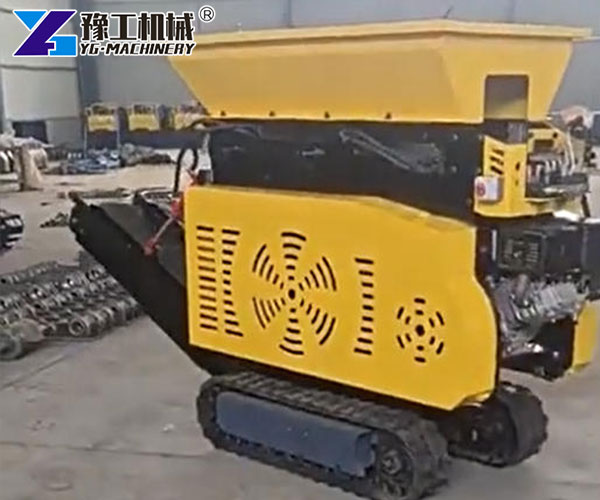
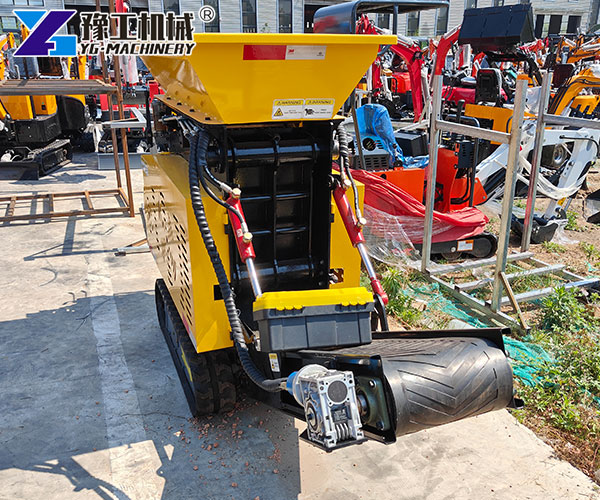
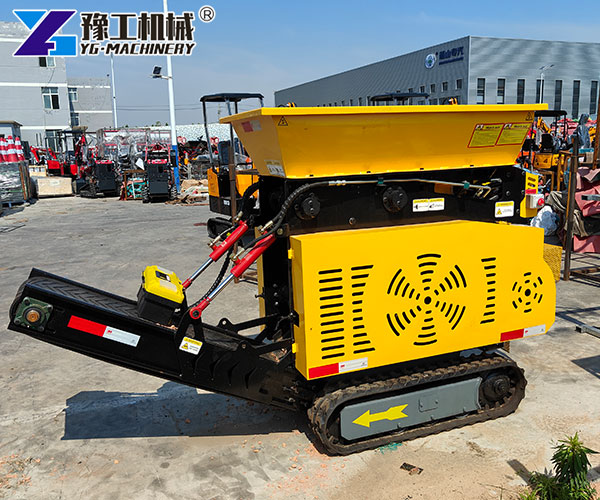
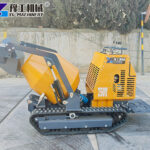
The Mini Stone Crusher Machine is a compact crushing solution made for small and medium job sites. It combines mobility, crushing power, and simple operation in one unit. This machine is designed for users who need fast material processing without building a fixed plant. It is widely used in construction, mining, demolition, and road projects. With a crawler chassis and integrated crusher system, it can move, crush, and discharge materials continuously on site.
A minitracked stone crusher is a mobile crushing device mounted on crawler tracks instead of wheels. It can travel across rough ground and reach work areas where large machines cannot enter.
Compared with traditional fixed crushers:
Fixed machines need foundation installation
Stationary plants require material transport
The setup time is long
A mobile unit solves these problems. The integrated design combines:
Feeding system
Crushing unit
Conveyor output
Because all parts are in one frame, the machine works directly on the material source. This saves transport cost and time. A tracked stone crusher is ideal for projects that change location often.
WhatsApp/WeChat/Phone: 86 138 3715 9132
Small Rock Crushing Machine Structure And Core Functions
A small rock crushing machine is built for efficiency and easy control. Its main components include:
Hopper for material loading
Crusher chamber for breaking stones
Hydraulic control system
Discharge conveyor
Each part works together to keep production stable. Operators can adjust output size quickly. This flexibility makes it suitable for different stone types such as limestone, concrete waste, and gravel.
Product Parameters of Mini Stone Crusher Machine
Different models of Mini Stone Crusher Machine have different configurations. Typical ranges include:
Power System
Feeding Specification
Gasoline Engine
12.5kw/3600r/min
Feed Opening
200×370mm
Diesel Engine
10.5 kw/3600r/min
Max. Feeding Size
200
Hydraulic Pump
CBN-F510
Production Capacity
3-10 T/D
Traveling Part
Crawler Chassis Size
1220×770 mm
Traveling Speed
0-3 km/h
Crawler Model
180×72×37 mm
Crawler Specification
Steel wire rubber crawler
Discharging Equipment
Hopper Volume
0.5 m³
Stacking Height
900-1200 mm
Feeding Conveyor
1450×400 mm
Jaw Adjustment Range
25 mm
Overall Dimension
Working Dimension
2950×770×1630 mm
Inner Width of Vertical Plate
410 mm
Transportation Dimension
2100×770×1760 mm
Total Outer Width of Guard
740 mm
Smaller projects need compact models, while construction contractors may choose higher capacity units. Matching parameters to project demand improves efficiency and lowers operating cost.
Portable Stone Crusher Performance Advantages
A portable stone crusher provides strong job-site flexibility. Its key advantages include:
High Mobility
Crawler tracks move on mud, sand, or gravel
Suitable for mountains and uneven terrain
Compact Size
Fits narrow construction zones
Easy transport between sites
Fast Setup
No foundation required
Start working within minutes
Automation
Simple control panel operation
Less manual labor is needed
Low Energy Cost
Efficient engine system
Optimized crushing chamber design
Because of these features, many contractors choose a portable stone crusher for short-term or multi-location projects.
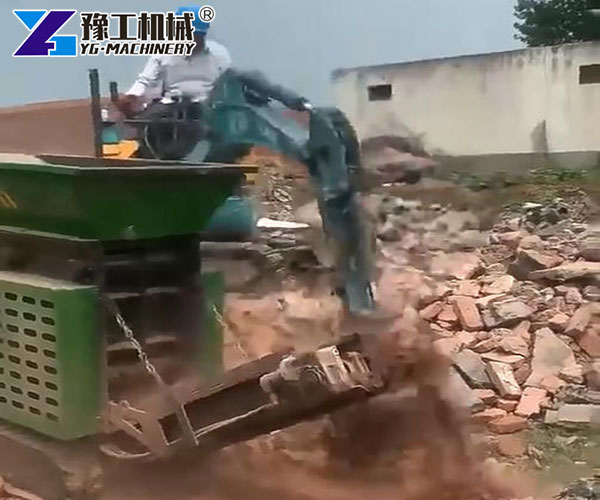
A compact crusher for construction is widely used in job sites where space is limited. Common applications include:
Construction waste recycling
Small quarry production
Road base material processing
Rural infrastructure projects
Temporary engineering works
In urban projects, material transport is expensive. Crushing waste directly on site reduces hauling costs and speeds up project progress. This is why many builders now prefer compact mobile crushing equipment.
Mini Crawler Crusher Limitations You Should Know
A mini crawler crusher is efficient, but it is not suitable for every project. It is important to understand its limits before buying.
Not recommended for:
Large mining plants with continuous production
Extremely hard rock long-term crushing
Factories needing fixed crushing lines
Projects requiring very high hourly output
These jobs require heavy industrial crushers. Using a small machine for oversized tasks may increase wear and reduce lifespan. Choosing the right equipment prevents cost waste and delays.
Operation Process And Site Preparation
Proper preparation helps the machine work safely and efficiently.
Site Check
The ground must be stable
No large metal or debris in the feed area
Pre-Start Inspection
Check oil level
Inspect hydraulic hoses
Confirm belt tension
Feeding Method
Feed evenly
Avoid overload
Monitoring During Work
Watch vibration and noise
Check discharge size
Shutdown Steps
Stop feeding first
Run empty for one minute
Turn off the engine
Following correct procedures protects the Mini Stone Crusher Machine and keeps production stable.